The RTS of cellular respiration
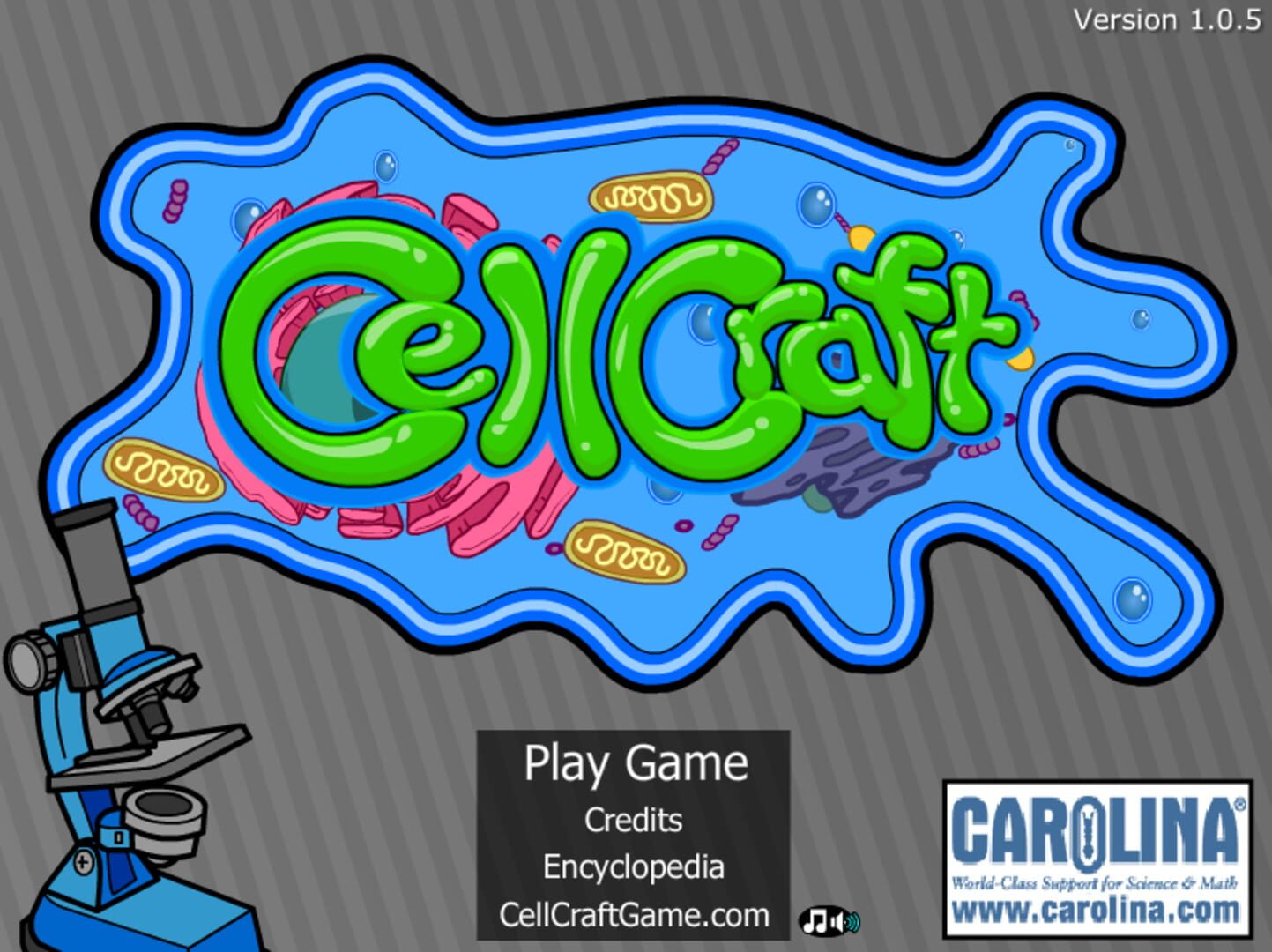
If you grew up playing real-time strategy games like StarCraft or Age of Empires, you’ll recognize the DNA of CellCraft immediately. Most "educational" games are just multiple-choice quizzes with a coat of paint, but this is a genuine resource management sim. You aren't just clicking on a picture of a mitochondria; you are frantically balancing your ATP production because if you don't, your cell literally stops moving and the viruses win.
The game is at its best when it forces you to make trade-offs. Do you spend your precious resources on a thicker cell wall to tank damage, or do you invest in more ribosomes to churn out the proteins you need for long-term growth? That’s the kind of high-stakes decision-making that makes the science stick. It turns abstract concepts into survival mechanics. If your kid is already into "god games" or survival sims, they’ll find the loop of gathering nutrients and upgrading their "base" (the cell) very familiar.
The "Save the Platypus" hook
The plot is admittedly unhinged. You’re building this cell to help two alien scientists save the platypus species from extinction. It’s exactly the kind of weird, late-2000s internet humor that defined the Flash game era. While the graphics are definitely dated—expect flat colors and a UI that feels a bit cramped—the personality carries it.
The story provides a reason to care about the next level beyond just "getting an A." It also helps bridge the gap for kids who might find a pure simulation dry. By the time you’re fending off waves of viruses, you’re actually invested in the survival of your little microscopic protagonist. For more ways to turn science into a binge-able experience, check out The Ultimate Guide to Fun and Educational Biology Games.
Where the friction hides
Because this was built in 2010, the difficulty curve is a bit stiff. Modern games tend to hold your hand for hours; CellCraft gives you the basics and then throws you into the deep end of the cytoplasm.
- The Pacing: Things can get chaotic quickly. If a student is struggling with the concepts, the speed of the viral attacks might feel more frustrating than challenging.
- The Interface: Navigating the different menus for organelles and the encyclopedia isn't as slick as a modern mobile app. It requires some patience.
- The "Science Spike": There are moments where the game expects you to have actually read the in-game text to understand how to neutralize a specific threat. You can't just "button-mash" your way through a viral infection.
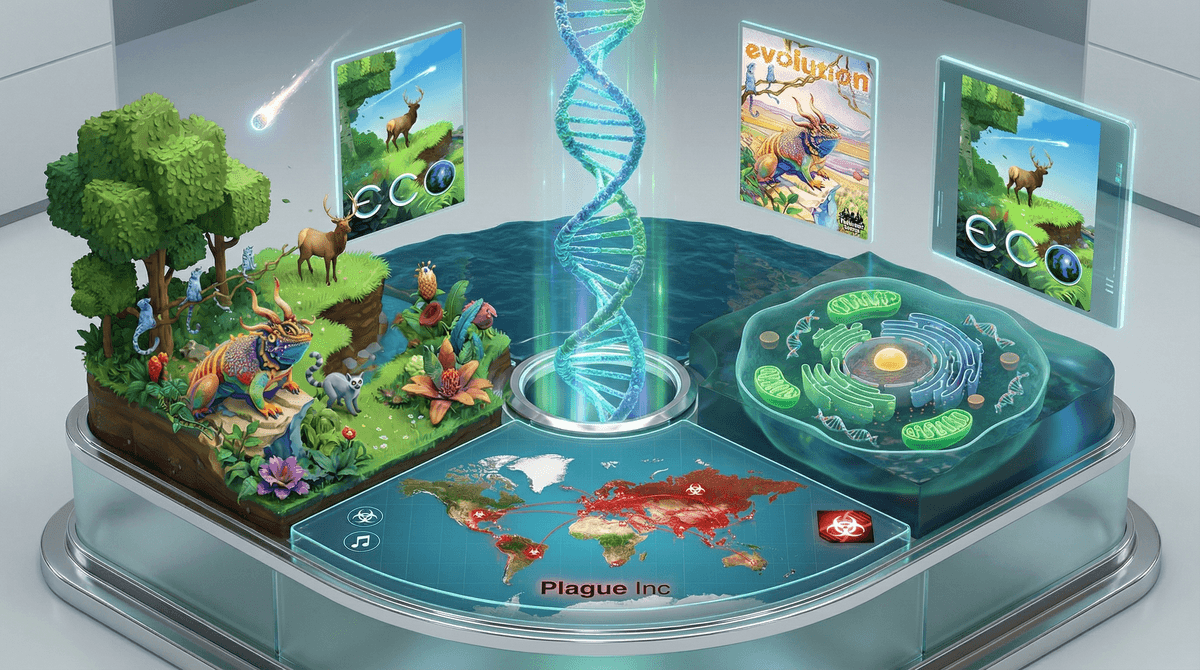
If your kid liked the "reverse" version of this—playing as the disease in Plague Inc.—they’ll likely appreciate the tactical depth here. It’s one of the few games that treats biology as a system rather than a list of definitions to memorize. It’s old, it’s a little clunky, but it remains one of the most effective ways to make a middle-schooler actually care about what a vacuole does.