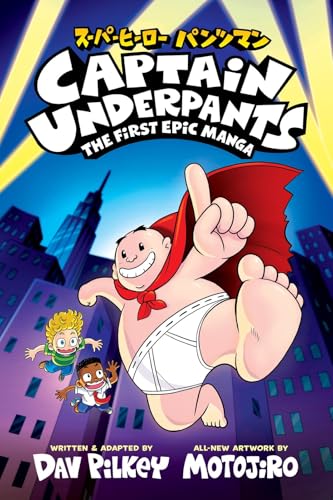
The Pilkey Formula Gets a Japanese Visual Upgrade
Dav Pilkey built an empire by recognizing something fundamental about 7-year-olds: if you make reading feel like a secret prank instead of homework, kids will devour books. The First Epic Manga isn't a new story—it's a complete visual remake of the original 1997 chapter book that started the entire franchise.
By teaming up with Japanese artist Motojiro, the book converts Pilkey's original line drawings into full-color manga panels. It retains Western reading order (left-to-right) so young kids don't get tripped up by reversed panel layouts, making it an easy entry point for kids interested in anime and manga culture.
Why Visual Formats Count as Real Literacy
Parents often wonder if graphic novels and manga count as 'real reading.' Reading science confirms that visual narrative formats build crucial language comprehension strands—narrative pacing, context clues, dialogue interpretation, and vocabulary expansion. For a child struggling with dense text blocks, Motojiro's dynamic paneling provides visual scaffolding that keeps comprehension high while confidence catches up.
If you hated the potty humor 25 years ago, nothing here will change your mind. Principal Krupp is still mean, George and Harold are still schoolyard pranksters, and the hero still fights crime in pre-shrunk cotton briefs. But if you want a book that your 2nd grader will read three times in one weekend without being asked, this is a sure bet.