The Spectrum of Masculinity
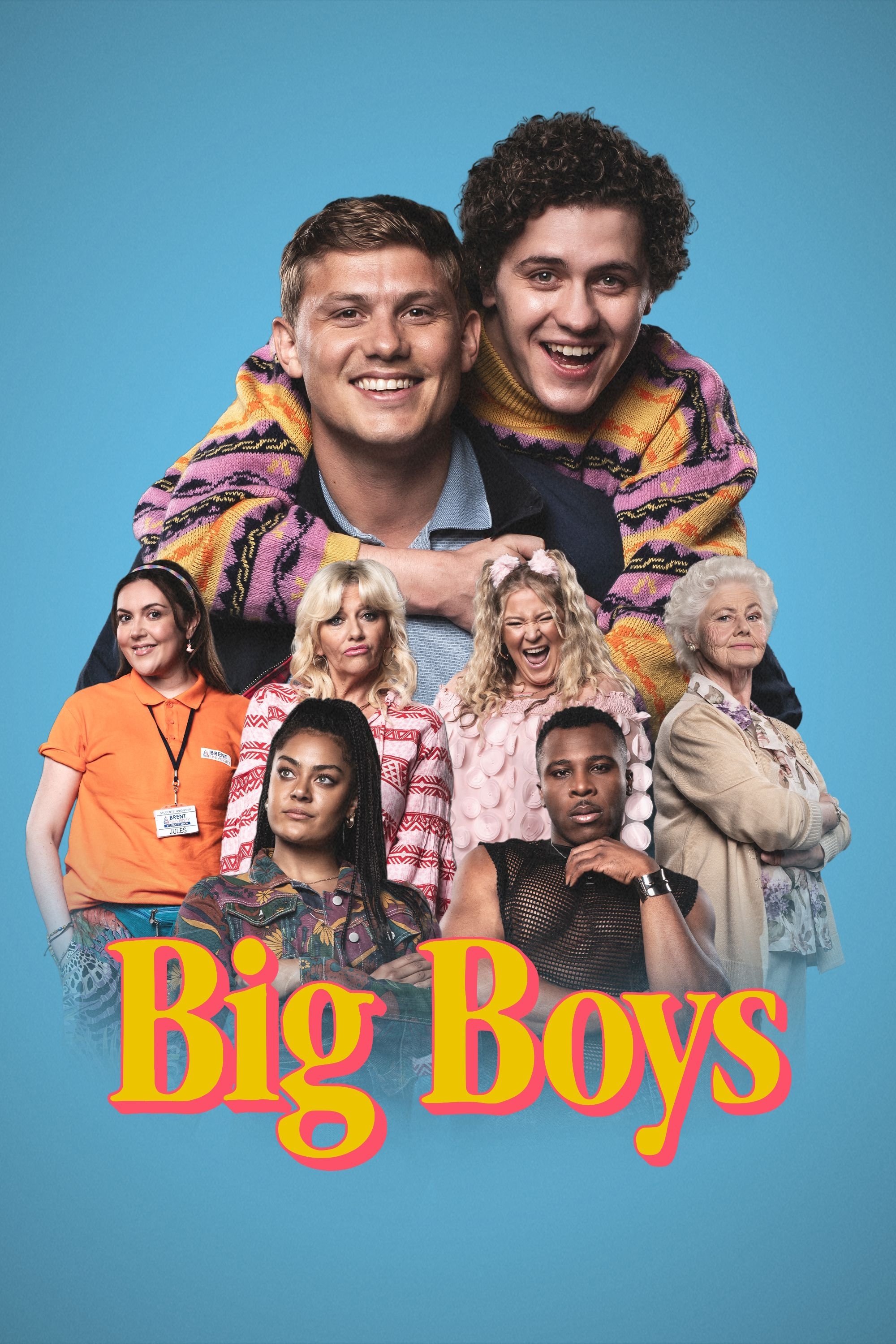
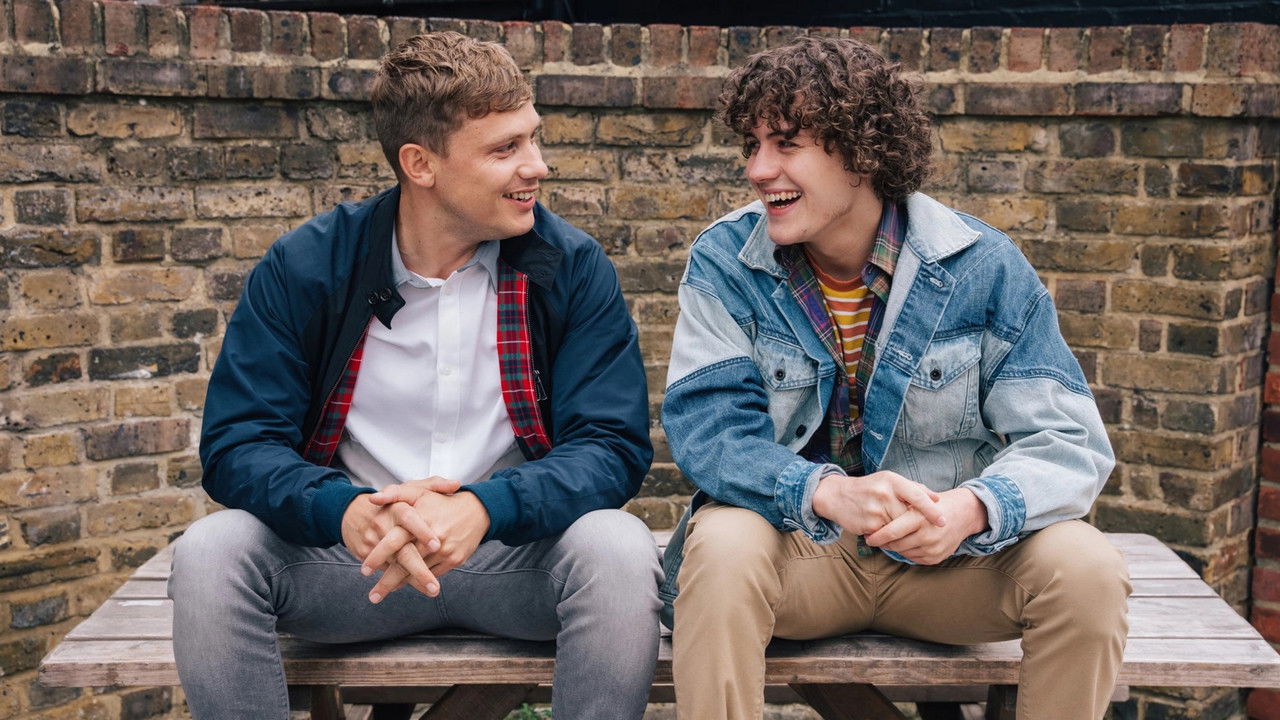
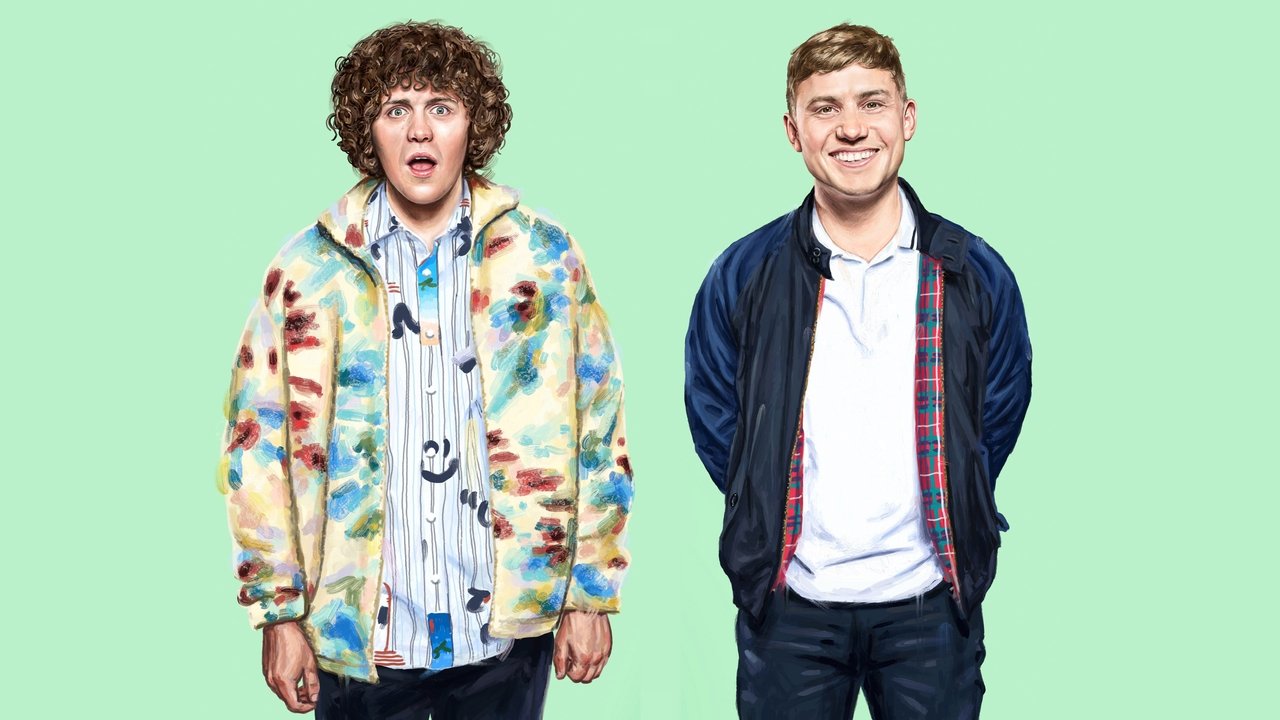
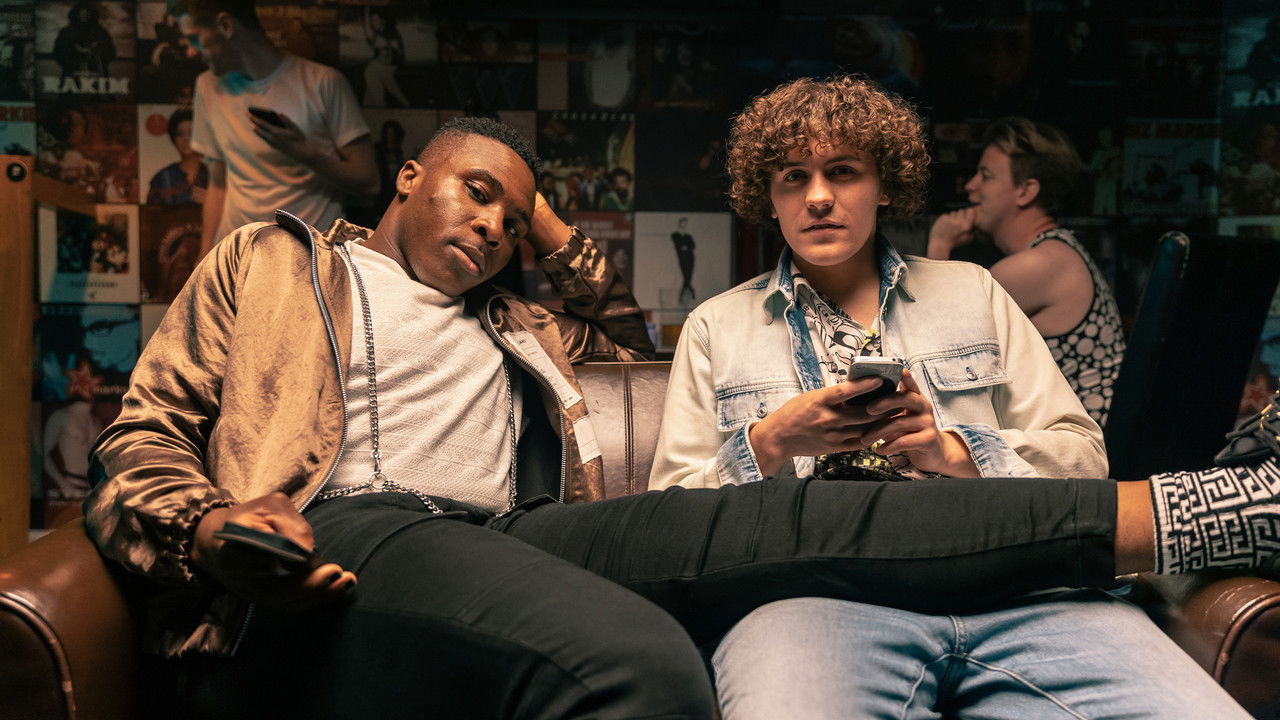
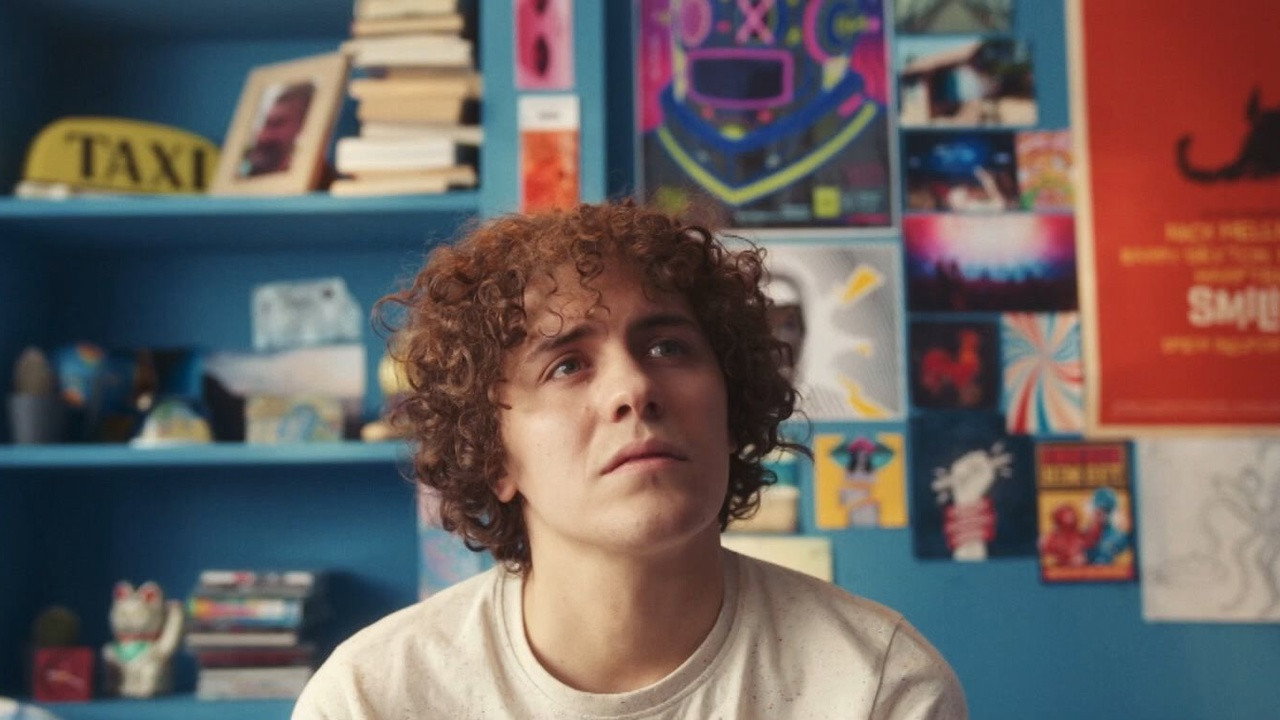
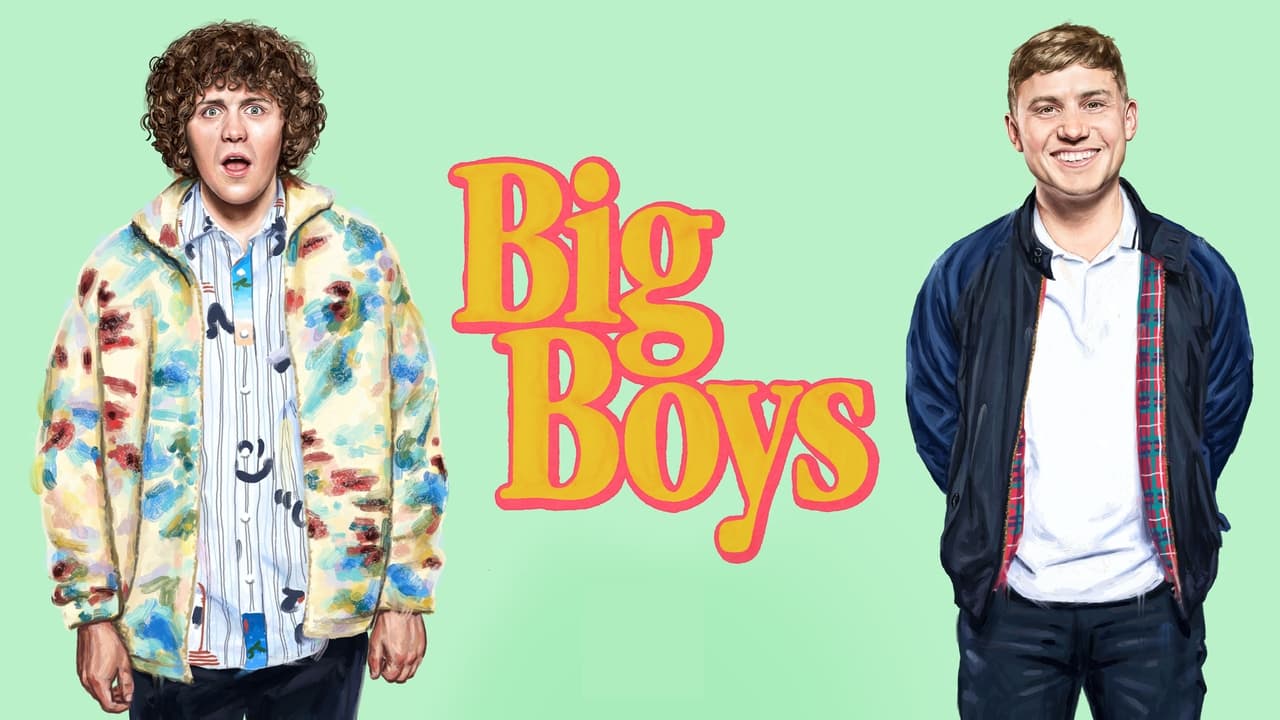
Most shows about college guys fall into one of two camps: the hyper-masculine 'lad' comedy or the sensitive 'indie' drama. Big Boys manages to occupy the space right in the middle. Jack is shy, closeted, and still reeling from the death of his dad. Danny is a boisterous, straight 'lad' who seems like he stepped out of a different show entirely. The genius of Jack Rooke’s writing is that he doesn't make their friendship a punchline. Instead, he shows how Danny’s outgoing nature helps pull Jack out of his shell, while Jack’s emotional depth gives Danny a safe place to be himself.
Why the 2013 Setting Matters
Set in the early 2010s, the show captures a very specific cultural moment—the transition from the 'lad' culture of the 2000s to a more modern understanding of identity. For parents, this might feel like a trip down memory lane (for better or worse). For teens, it’s a look at a world just before TikTok and hyper-connectivity, where finding your 'tribe' at university felt like a high-stakes mission.
Handling the Heavy Stuff
While the show is marketed as a comedy, its treatment of depression is some of the best on television. It doesn't treat mental illness as a plot point to be 'solved' in thirty minutes. It shows the maintenance, the setbacks, and the importance of having friends who don't just tell you to 'cheer up' but sit with you in the dark. It’s a great companion piece to shows like Heartstopper, but with the training wheels off and a much higher tolerance for the messiness of real life.