Surviving The Post-9/11 Space Opera
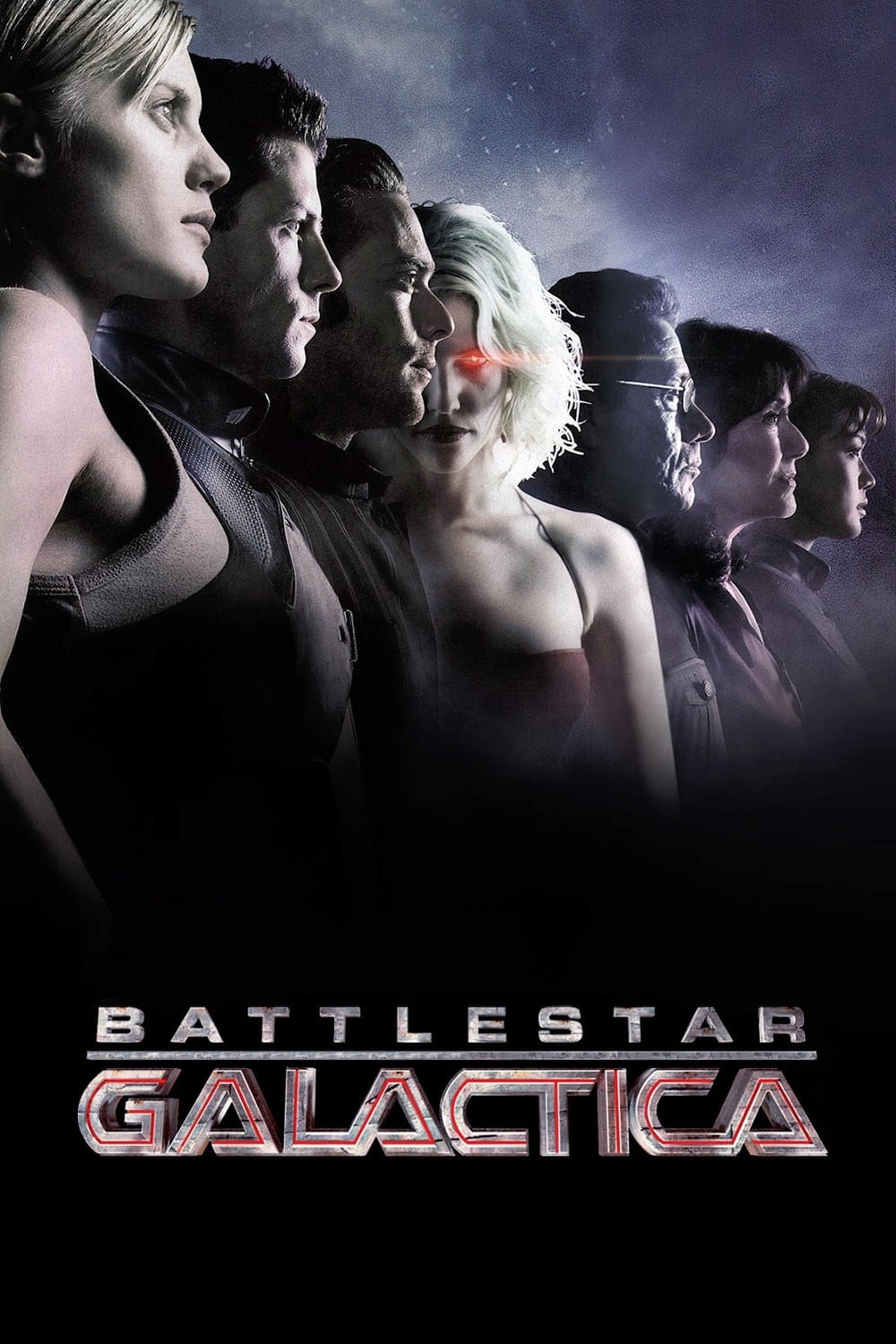
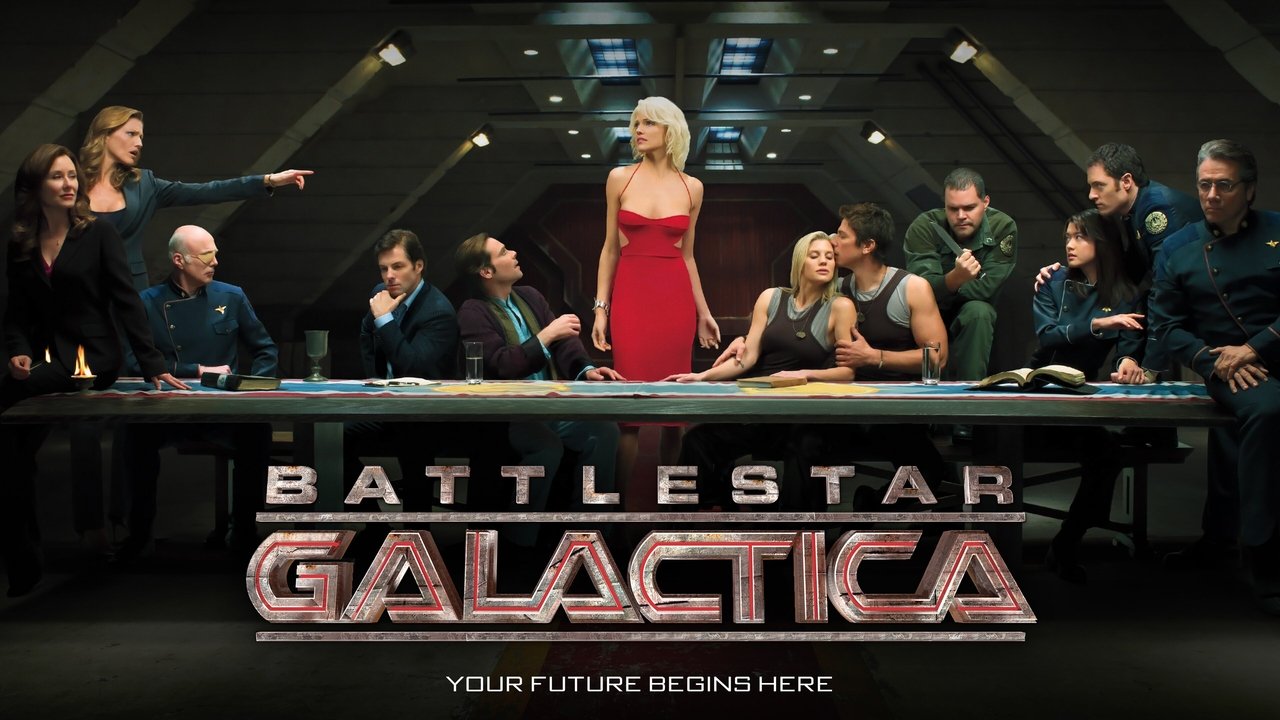
Most modern sci-fi aimed at teenagers leans heavily on heroic destiny, quippy banter, and clean moral battle lines. Battlestar Galactica does the exact opposite. Debuting in the immediate shadow of 2001, the series treated space opera not as escapist fantasy, but as a pressure cooker for wartime ethics.
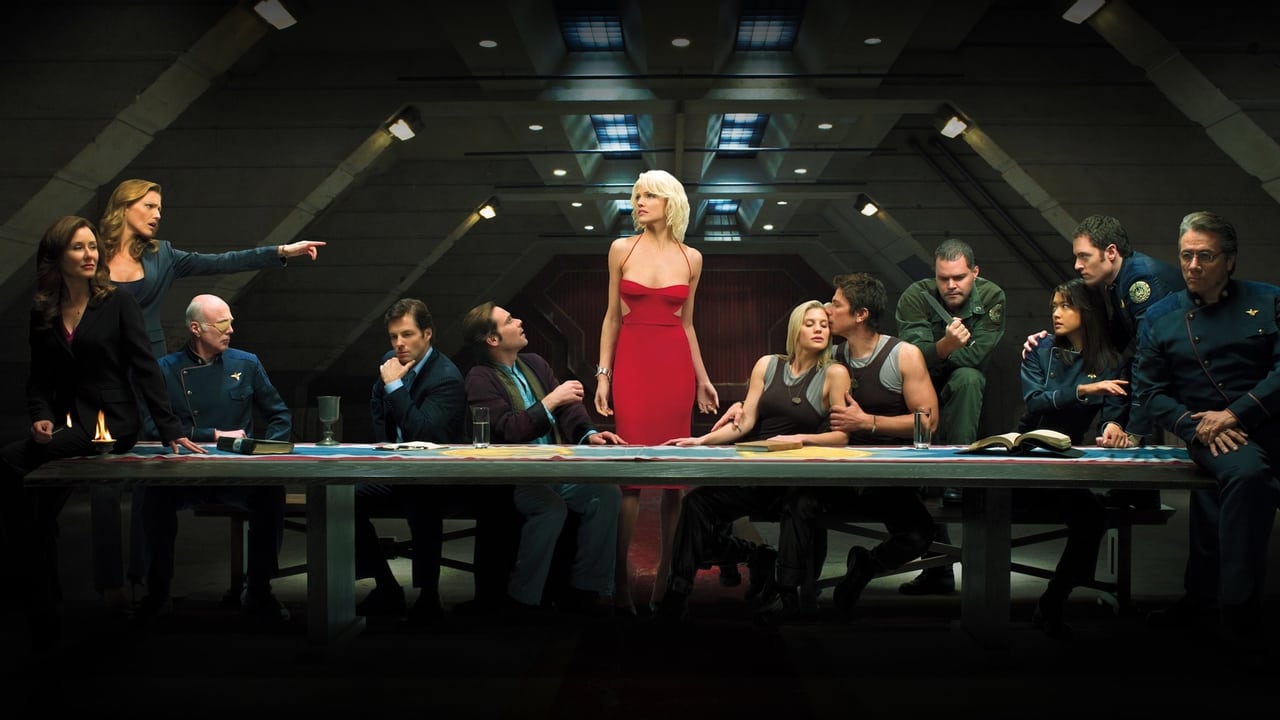
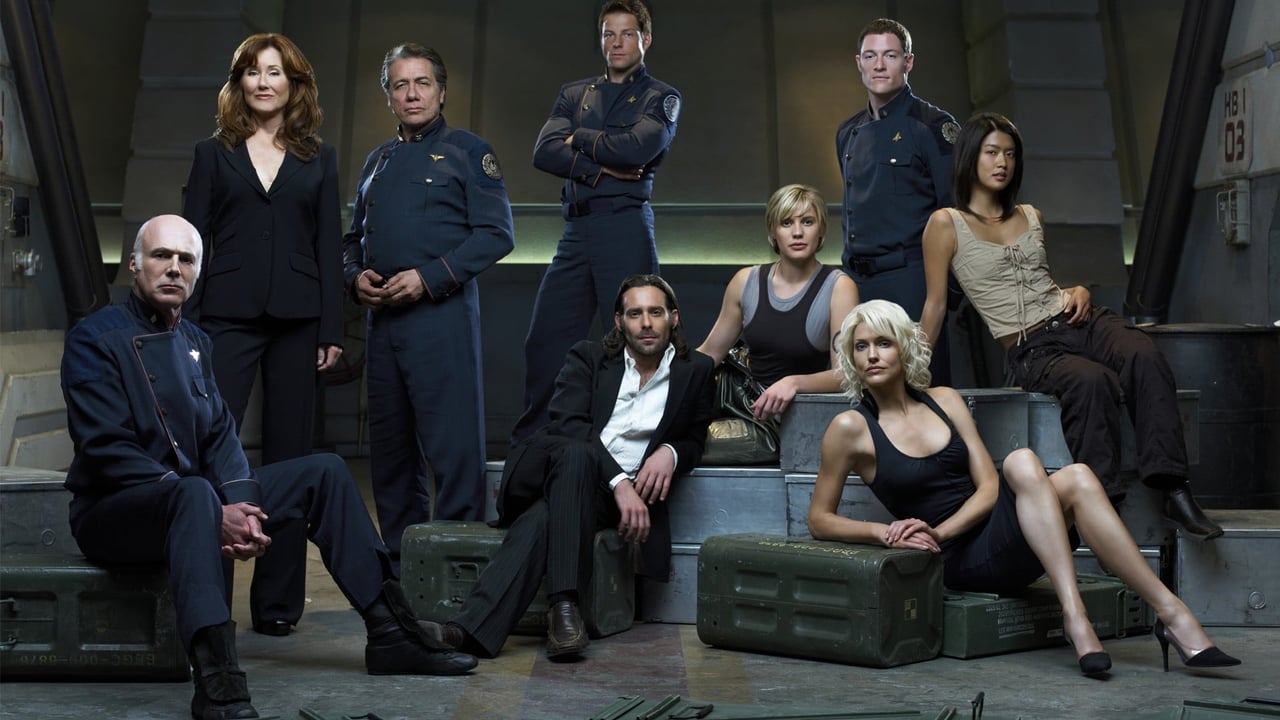
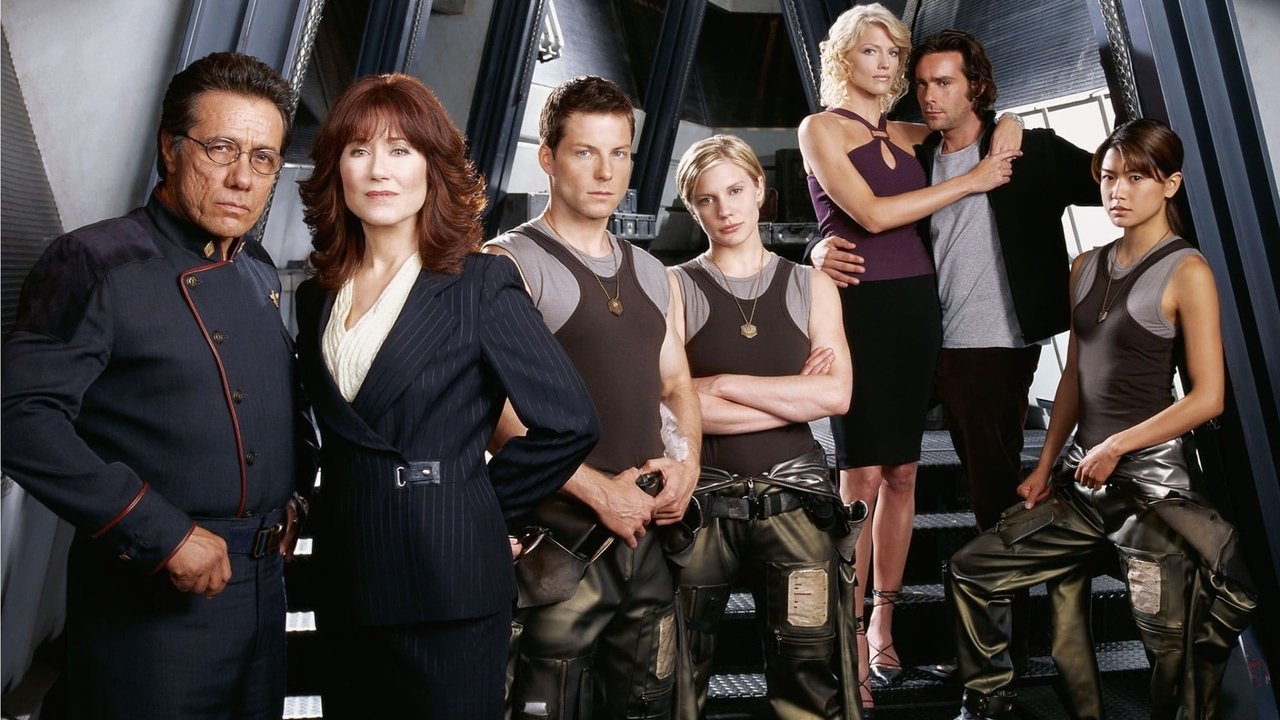
The premise wastes no time: the Cylons (humanity's cybernetic creations, now evolved into biological duplicates indistinguishable from real people) mount a surprise nuclear attack that obliterates twelve colonies. The surviving fleet consists of roughly 50,000 civilians protected by a single, obsolete warship commanded by William Adama (Edward James Olmos) and a newly sworn-in Secretary of Education turned president, Laura Roslin (Mary McDonnell).
The Real-World Weight of the Story
Where most shows would focus exclusively on fighter pilots shooting down enemy ships, Galactica spends equal time on food rations, fuel mining strikes, court-martials, and rigged elections.
- Episode 1 (33): The fleet must jump every 33 minutes for days without sleep because the Cylons reappear like clockwork, forcing an agonizing decision about a civilian liner suspected of carrying a tracking device.
- The Pegasus Arc (Season 2): When a newer, more powerful battlestar joins the fleet, its commander runs a brutal military junta that stripped its own civilian convoy for parts and treats captured Cylons like lab equipment.
- New Caprica (Season 3): Humanity is subjugated on a barren colony, forcing the central characters to stage an underground resistance using suicide bombings and ambushes—a direct, uncomfortable reflection of the Iraq War.
How to Watch It Well
The viewing order catches people off guard. Streaming platforms often list Season 1 Episode 1 (33) as the beginning. It is not. You must start with the 2003 Battlestar Galactica Miniseries (a three-hour backdoor pilot originally aired in two parts). Without the miniseries, the fall of the colonies and the introduction of the central cast have already happened off-screen.
Pair this with older teens who have some grounding in modern history. The series rewards active dissection of its core question: what good is surviving if you lose everything that made you human in the process?