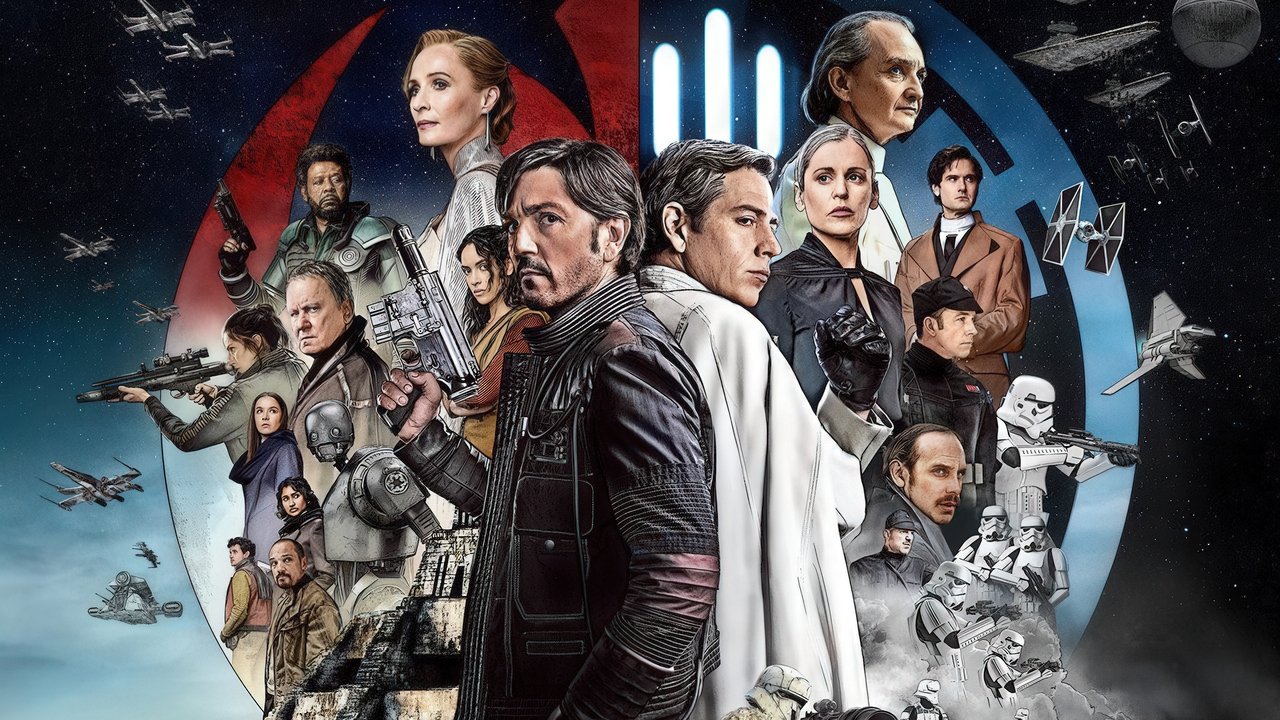
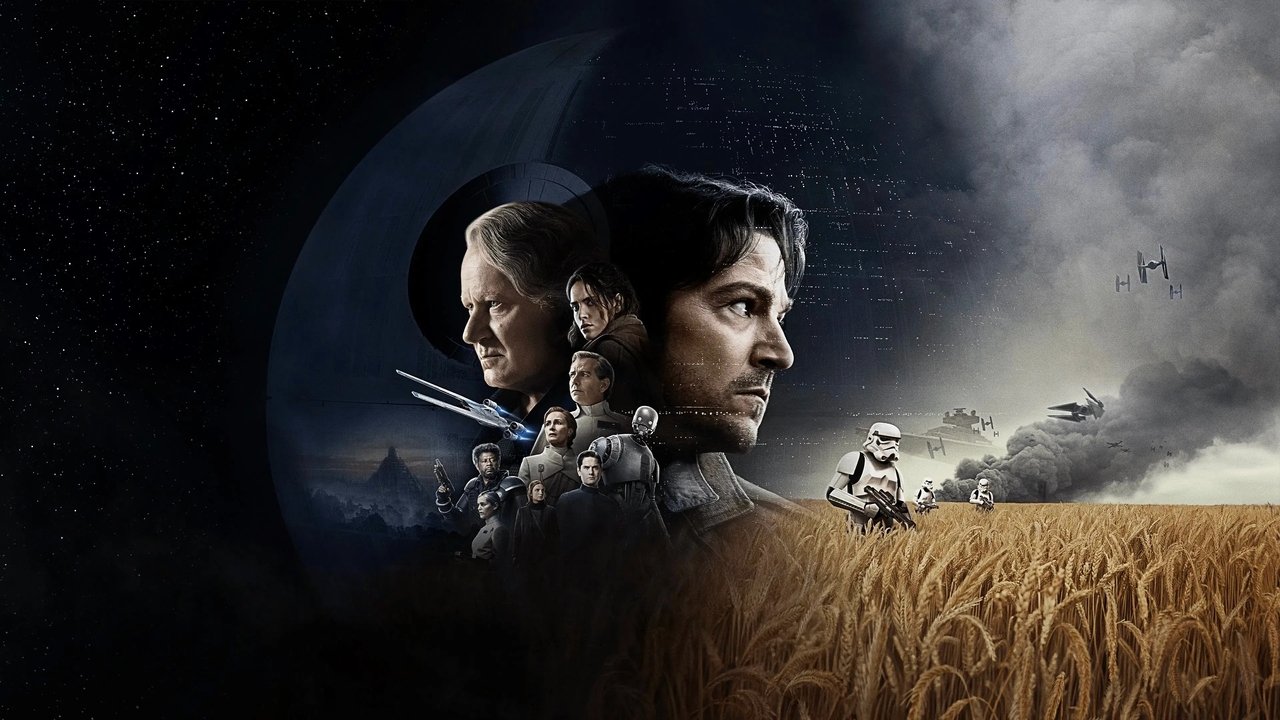
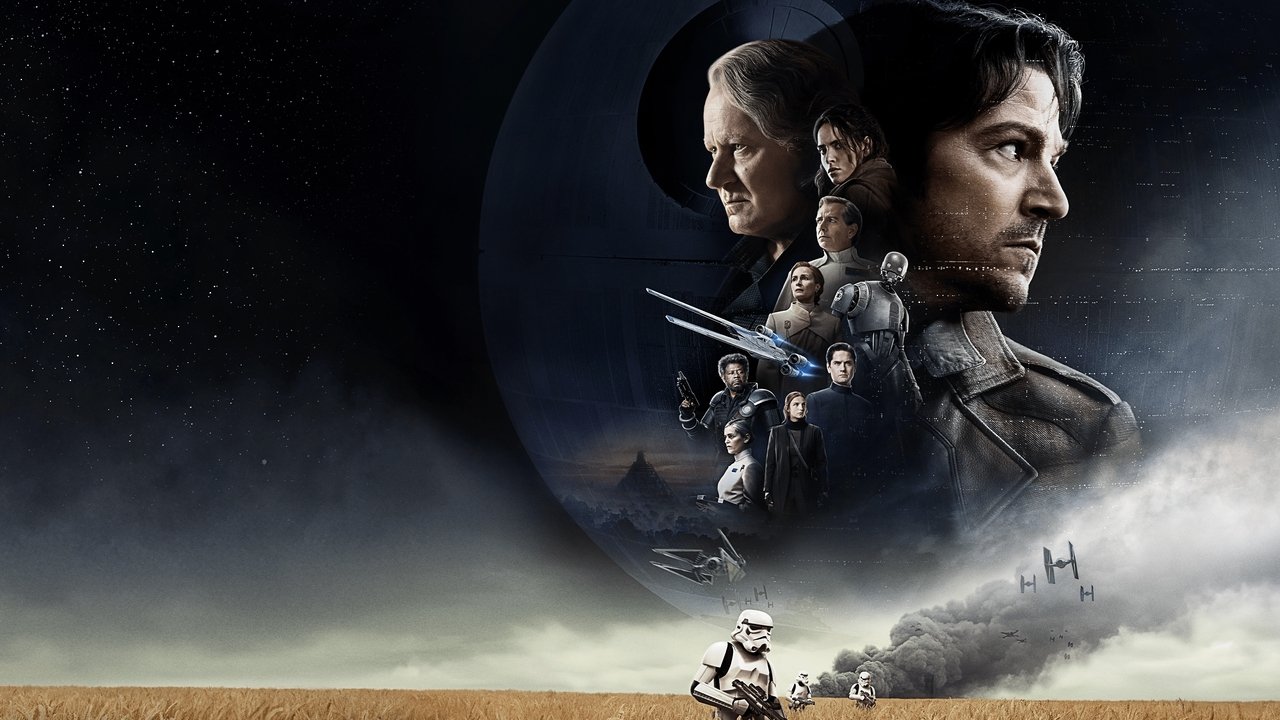
The Anti-Blockbuster Star Wars
Most modern franchise television relies on dopamine hits: a recognizable helmet in the doorway, a lightsaber ignition, a creature designed to sell plush toys. Andor completely strips those away. Creator Tony Gilroy built a Cold War-style espionage series where the Empire is terrifying not because of planet-destroying superweapons, but because of its administrative efficiency.
From the corporate security officers on Morlana One to the sterile white floors of the Imperial prison on Narkina 5, the threat is institutional. That makes the stakes feel real in a way high-fantasy space battles rarely achieve.
The Three-Episode Engine
The series breaks neatly into distinct three-episode arcs, which makes watching with a teen remarkably satisfying:
- Episodes 1–3: Cassian's introduction on Ferrix, establishing the blue-collar community and his desperate escape.
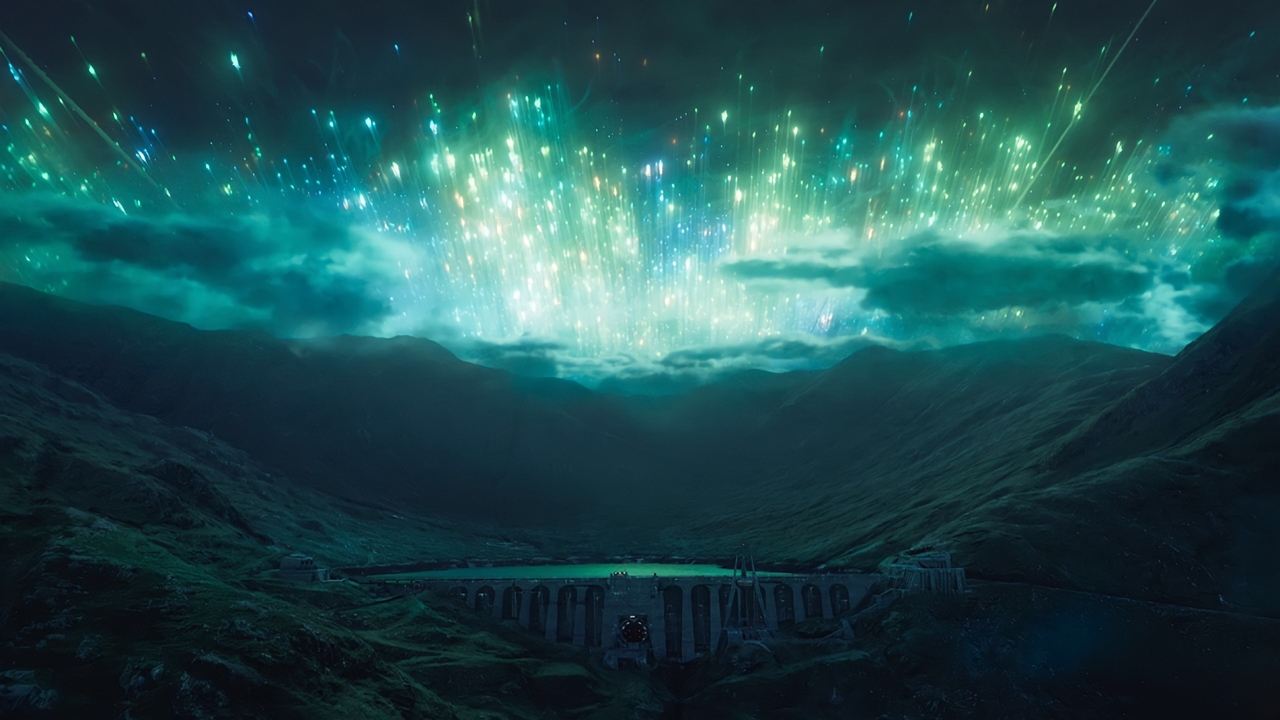
- Episodes 4–6: The Aldhani garrison heist, functioning like a tight, high-altitude tactical thriller.
- Episodes 7–9: The descent into bureaucratic fascism and the chilling prison labor facility.
- Episodes 10–12: The prison breakout and the explosive season finale on Ferrix.
Each block acts like a self-contained feature film. The ninth and tenth episodes, anchored by Andy Serkis as a floor manager clinging to the illusion of his release date, stand as some of the finest hours of television produced in the 2020s.
Watching It With Teens
If your kid is used to the frantic pacing of standard superhero content, the opening hours might feel demanding. Give it through Episode 3. Once the local alarm bells sound across Ferrix, the tension locks in and never lets go.
It offers a rare bridge between family viewing and genuine adult drama: smart, uncompromised, and full of ethical dilemmas worth dissecting long after the credits roll.