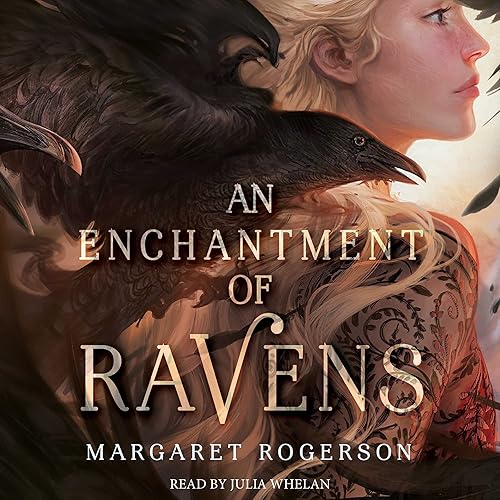
Most YA fantasy these days feels like a part-time job. You start one book and realize you’ve actually signed up for a four-book commitment with three novellas and a prequel series. An Enchantment of Ravens is the rare, glorious standalone. It tells a complete, lush story in about 300 pages and then gets out of the way. For a teen with a heavy homework load or a parent tired of buying sequels, that alone makes it a winner.
The power of "Craft"
The most interesting thing about this world isn't the magic; it’s the humanity. In Margaret Rogerson's version of faerie lore, the "Fair Folk" are immortal and powerful, but they are also fundamentally hollow. They can’t bake bread, sew a button, or paint a portrait. If they try to create anything, it turns to dust. They are addicted to human "Craft," which gives the protagonist, Isobel, a unique kind of leverage.
Isobel isn't a "chosen one" with a secret prophecy or a magical sword. She’s a working artist who survives by being better at her job than anyone else. It’s a great message for kids who are into theater, painting, or writing—the idea that your creativity is actually a formidable power that even "superior" beings envy.
High stakes without the "spice"
If your teen is looking for the vibe of The Cruel Prince or A Court of Thorns and Roses but you aren't ready for them to read the more explicit content often found in those series, this is the perfect middle ground. It captures that same "dangerous faerie prince" energy and atmospheric tension without the mature scenes that usually come with it.
The romance between Isobel and Rook is built on shared danger and genuine conversation rather than just "fated" attraction. If you want a deeper look at the specific romantic beats and how the book handles the darker fae elements, our parent’s guide to An Enchantment of Ravens breaks down the "teeth" of the story.
Not your Disney fairies
Don't let the "autumn prince" title fool you. These faeries are predators. They are beautiful in the way a Venus flytrap is beautiful. The book does a fantastic job of making the fae feel truly alien. They don't have human morals, they can't lie (but they can mislead you into a death trap), and they view humans as talented pets.
The inciting incident—Isobel painting "mortal sorrow" into Rook’s eyes—is a brilliant bit of world-building. To the fae, showing human emotion is a sign of weakness that can get them killed. It turns a simple portrait into a death warrant. This isn't a "fluffy" read; there’s a consistent undercurrent of peril that keeps the pacing tight. It’s an ideal pick for a reader who wants a story that feels sophisticated and a little bit dark, but still remains fundamentally wholesome.