The ultimate antidote to "sanitized" history
If your teen’s understanding of war comes from Call of Duty or high school textbooks that focus on troop movements and treaty dates, this book will be a shock. It is the definitive anti-war statement because it doesn't bother with the "why" of the politics; it stays entirely in the "how" of the survival. Erich Maria Remarque was a craftsman who understood that the most effective way to argue against war wasn't through a lecture, but through the sound of a shovel hitting a skull or the sight of a horse dying in No Man’s Land.
The synopsis captures the central tragedy: Paul and his classmates are essentially children who were bullied into enlisting by a "patriotic" teacher. They trade their youth for a world of despair before they’ve even had a chance to live. For a modern teen, the most relatable part isn't the combat—it’s the feeling of being lied to by the adults in charge.
The friction of the "slow burn"
We have to be honest about the reading experience. This isn't a propulsive, plot-heavy thriller. It’s a series of vignettes that alternate between intense, terrifying action and long stretches of boredom. Remarque captures the reality of trench warfare, which was 90% waiting around in the mud and 10% pure chaos.
If your kid is used to the breakneck pacing of modern YA, they might find the middle chapters a slog. However, the 1987 edition is a relatively quick read at around 200 pages. The "dated" feel actually works in its favor here; the language is sparse and direct, making the horror feel more immediate rather than buried under Victorian fluff.
If your kid liked The Things They Carried
This is the natural predecessor to Tim O'Brien's Vietnam masterpiece. Both books focus on the psychological "carrying" of war rather than just the physical survival. If your teen is already gravitating toward military history but is starting to ask more complex questions about the "other side," this is the book to hand them. It forces the reader to empathize with a German soldier, which is a powerful exercise in perspective that still feels relevant today.
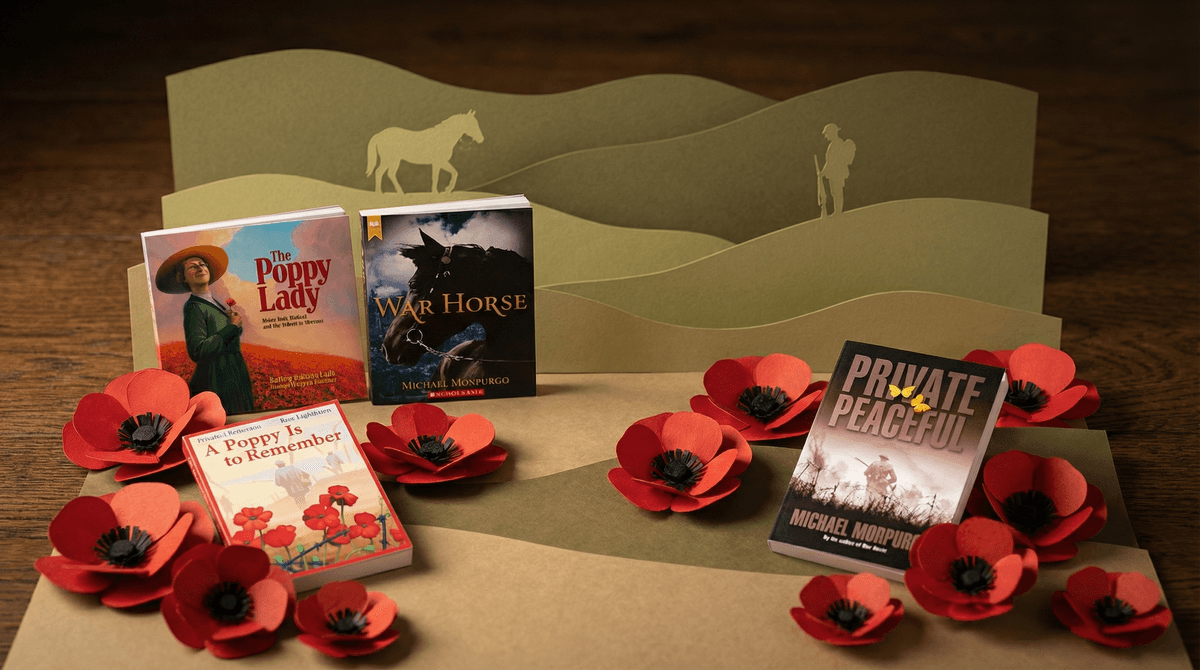
If they aren't quite ready for the visceral descriptions of gas attacks and rats feeding on corpses, you might want to start with our guide to World War I books for kids. That list includes titles that bridge the gap between "interesting history" and "soul-crushing realism."
Why the "lost generation" still matters
There is a specific moment in the book where Paul returns home on leave and realizes he can no longer talk to his parents or his old neighbors. They want to hear stories of glory; he just wants to sit in silence. That sense of alienation is what makes this book a staple of high school curriculums. It’s a heavy lift for a 14-year-old, but for a mature reader, it’s the kind of story that changes how they look at every news headline about global conflict. It’s not just a book about 1914; it’s a book about the cost of being twenty years old in a world that values "duty" over human life.