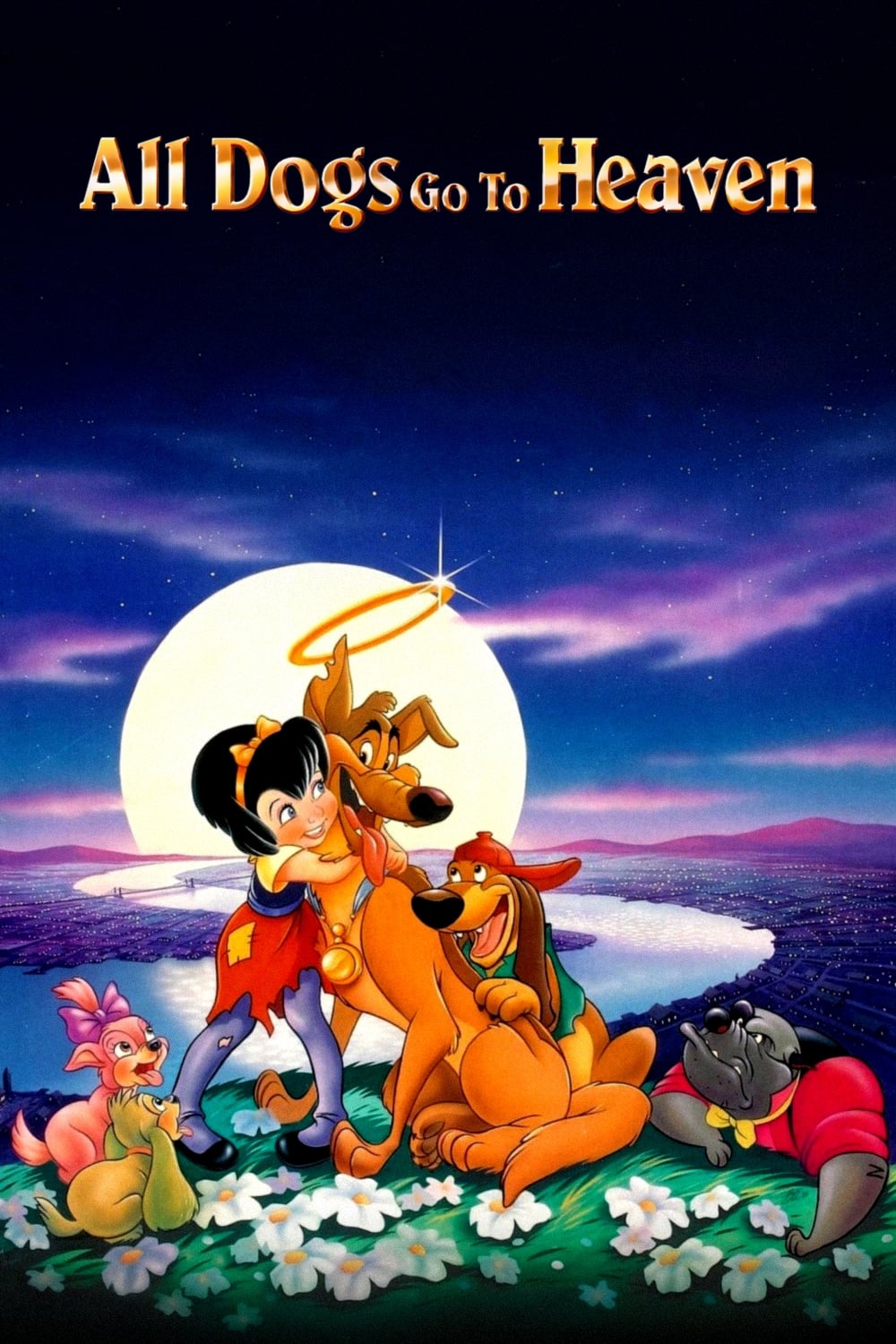
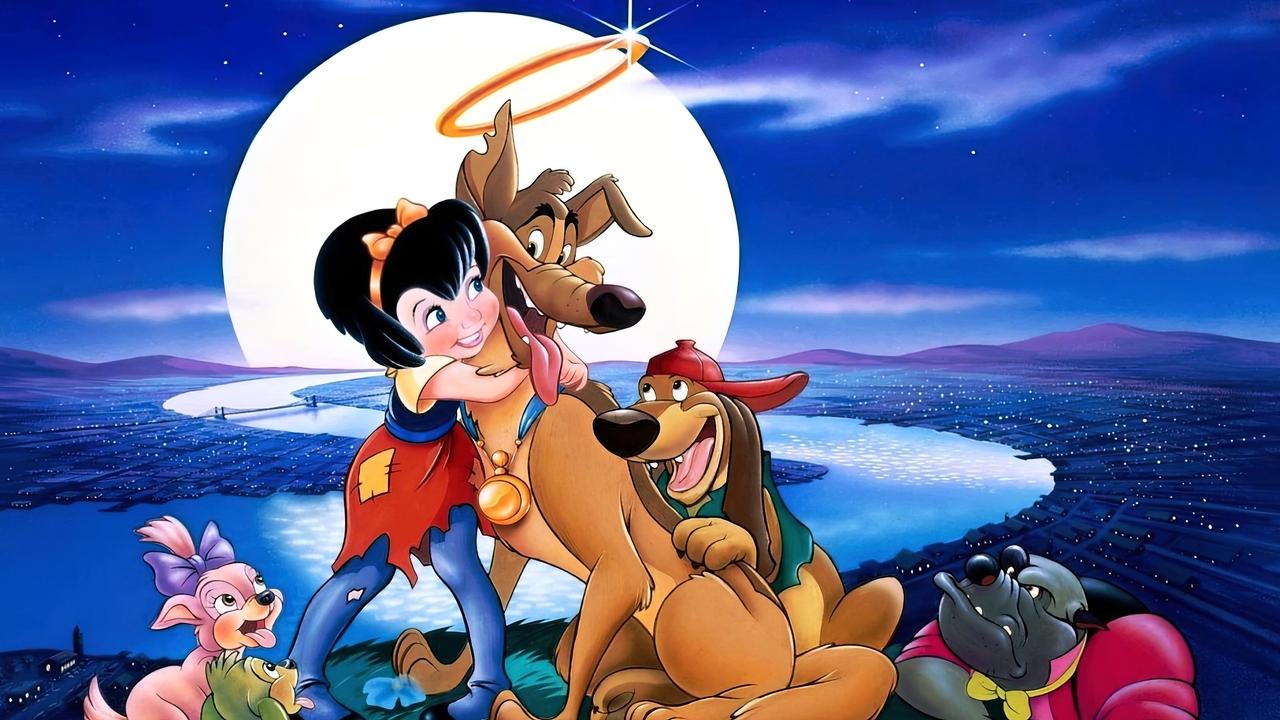
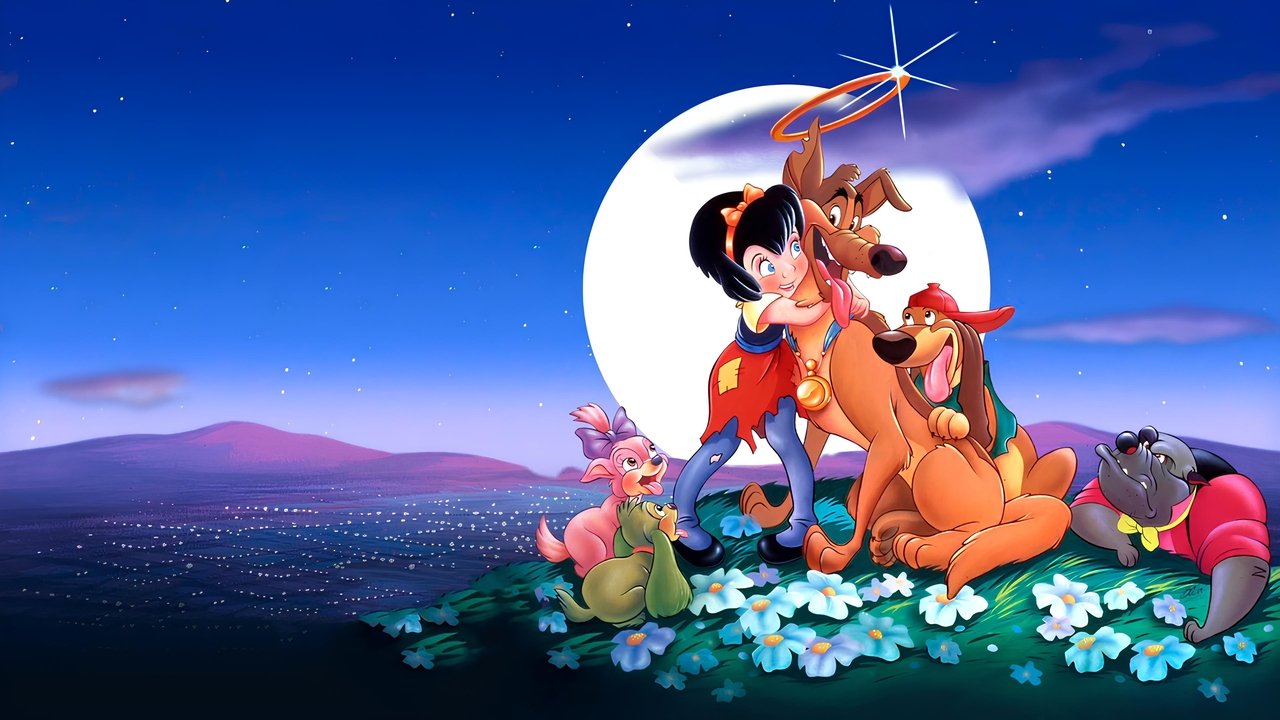
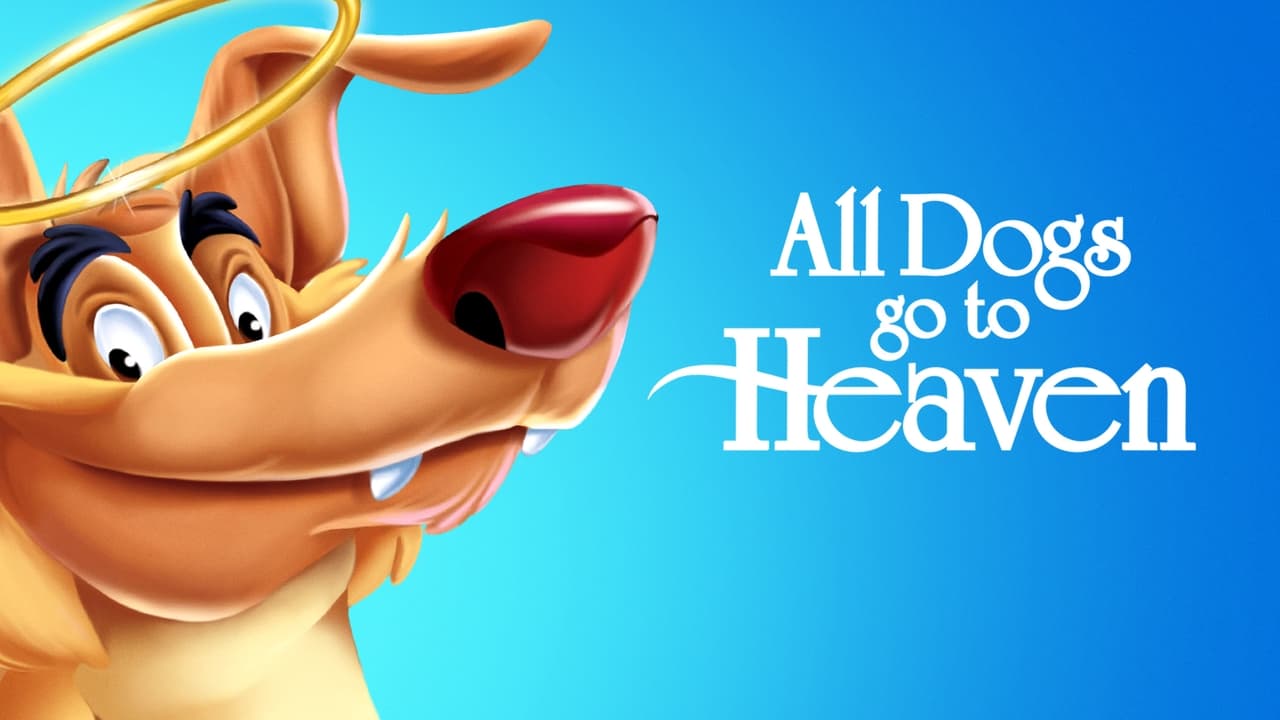
The "Noir" for nine-year-olds
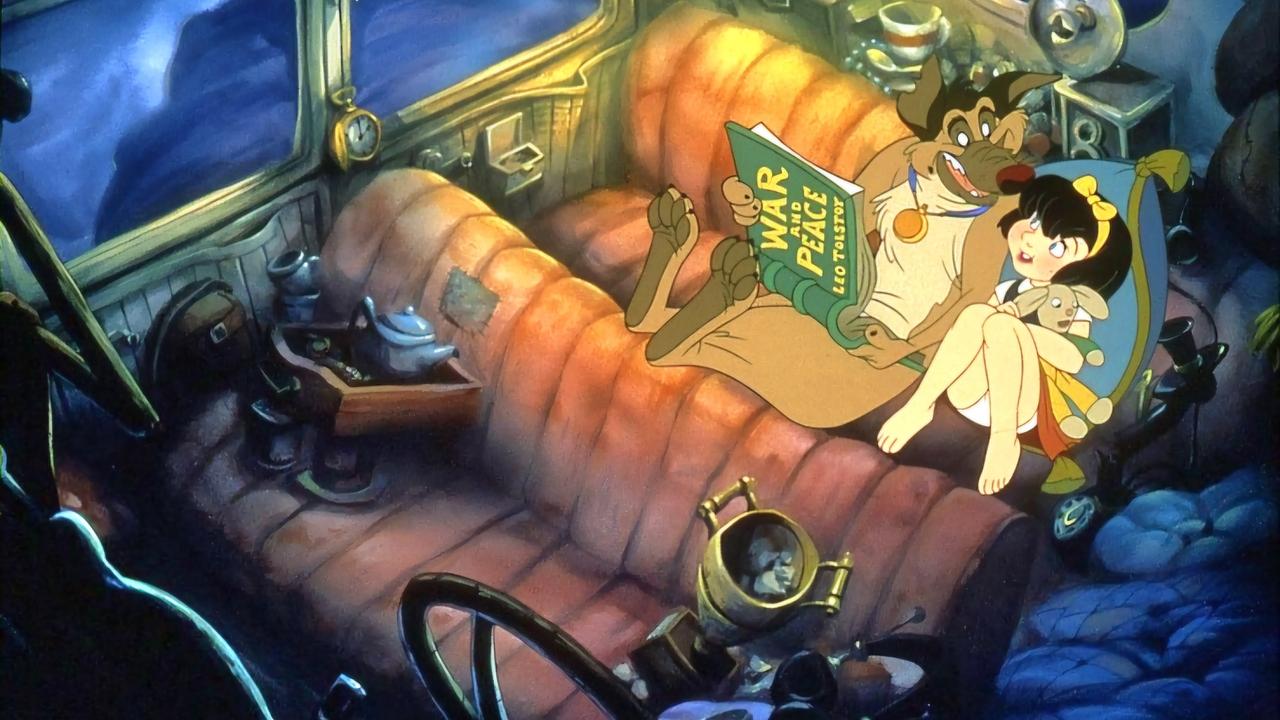
If you grew up in the late eighties, you probably remember this movie as a fever dream of puppies and gambling. Watching it now, the most striking thing isn't the dogs—it’s the grime. This movie is a canine noir film. It’s set in a world of back-alley betting parlors, cigar smoke, and organized crime. It feels heavy in a way that modern CGI features almost never do.
While Disney was entering its "Renaissance" era with bright colors and Broadway showtunes, this production went in the opposite direction. The animation is scratchy, the colors are muted, and the stakes are literal life and death. If your kid is used to the polished, upbeat vibes of safe movie streaming on YouTube for kindergarteners, they might find the aesthetic of All Dogs Go to Heaven a bit depressing. But for a kid who is starting to outgrow "baby movies," that grit can be a major draw. It feels like a "grown-up" story that just happens to have paws.
The friction of a flawed hero
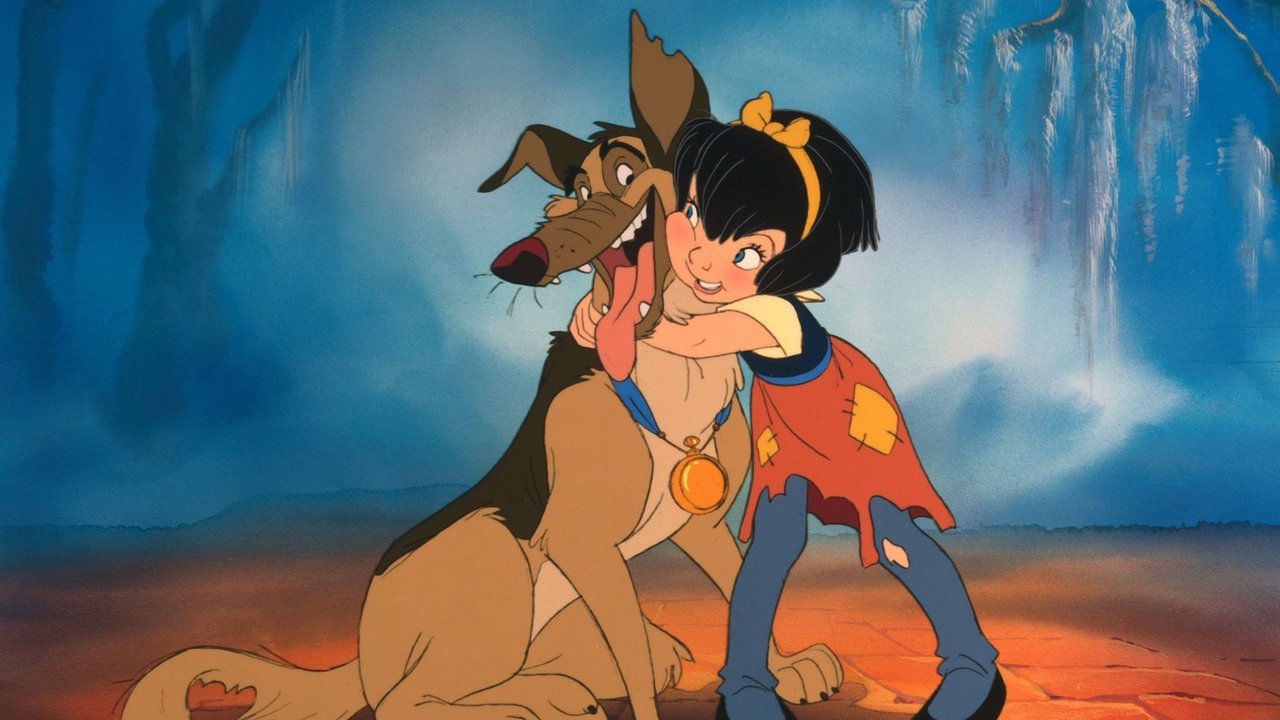
Most modern animated protagonists are "misunderstood" or "quirky." Charlie is a jerk. He’s a selfish, manipulative con artist who spends the first half of the movie using an orphan girl's ability to talk to animals to rig horse races. He doesn't just make mistakes; he makes choices that are ethically bankrupt.
This is where the real value lies for an intentional parent. It’s a fantastic case study in a "redemption arc" that actually requires work. Charlie’s change of heart isn't triggered by a single song. It’s a slow, painful realization that his life has been meaningless. If you have a child who enjoys stories about characters with a bit of an edge, Charlie is a much more complex figure than the standard hero.
Navigating the "Hell" of it all
We have to talk about the dream sequence. It is the single most debated moment in the film and a prime candidate for our guide on classic family movies with unexpectedly dark scenes. It isn't just a "scary" moment. It’s a visceral, fire-and-brimstone depiction of damnation complete with skeletal demons and a literal lake of fire.
If your kid is sensitive to "scary" imagery, you can’t just walk away for a snack during this part. It’s short, but it’s intense. However, it serves a narrative purpose: it’s the only thing that actually scares Charlie into reconsidering his life. It’s the "scared straight" moment of animation. If you're watching this together, use it as a pivot point. Ask your kid why Charlie is so terrified and whether they think he deserves that fear. It turns a potential nightmare into a conversation about consequences.
The verdict on the "vibe"
Critics weren't kind to this movie when it dropped, and you can see why. The pacing is weird, and the musical numbers feel like they belong in a completely different film. It’s a messy piece of art. But it’s also memorable.
You aren't putting this on for "background noise" while you fold laundry. It’s too weird for that. Put it on when you want to show your kids that animation can be used to tell stories that aren't just about being happy or finding your "true self." Sometimes, animation is about a gambling dog trying to save his soul. It’s a wild swing, and even if it doesn't always land, it’s a lot more interesting than the safe, mid-tier movies cluttering the streaming apps today.