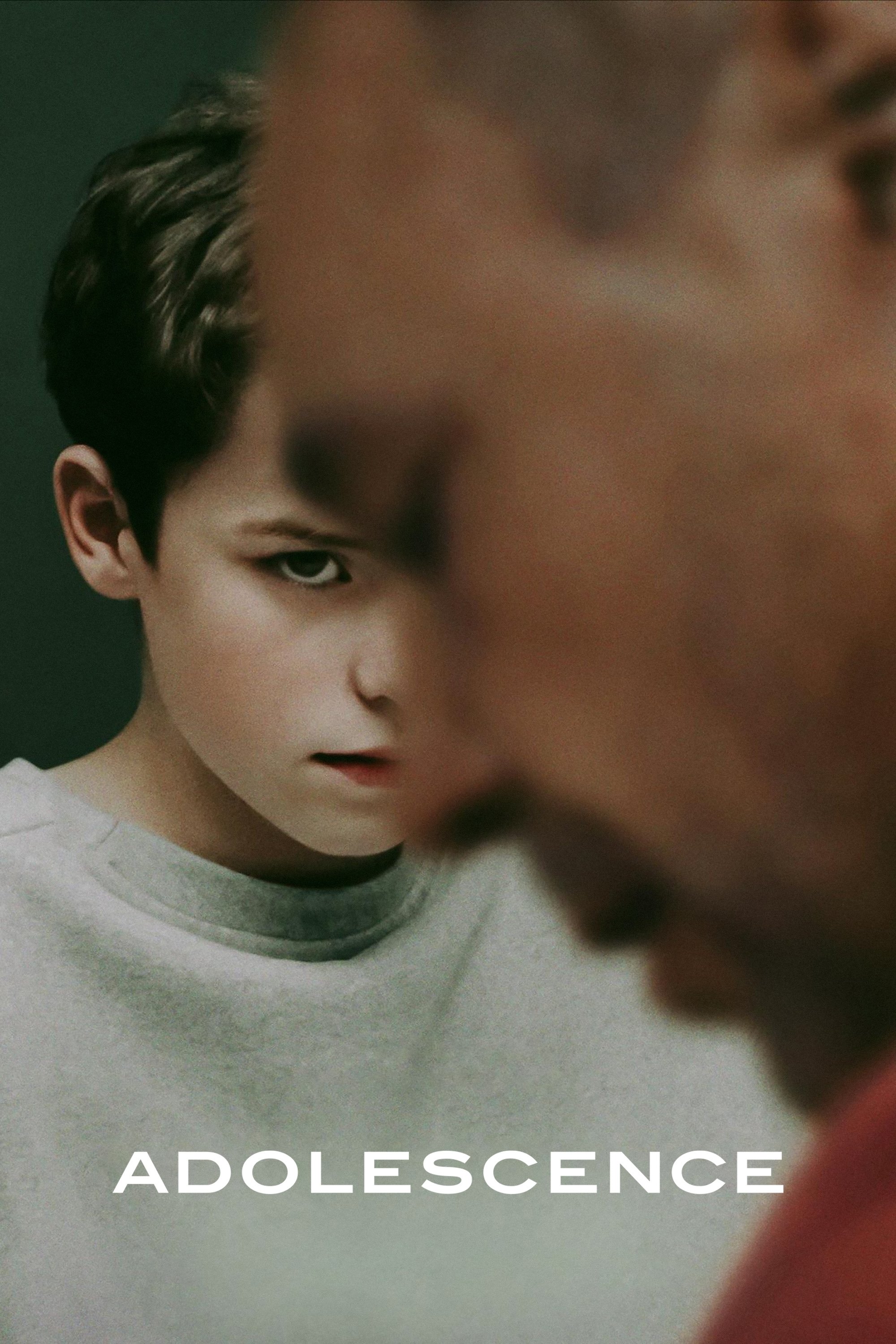
Adolescence

Adolescence

show

TV-MA, 2025

WISE
74%

WISE Score

97

Avg. Tomatometer

A 13-year-old boy is arrested for a classmate's murder, forcing his shell-shocked family to face the digital and emotional reality they never noticed.

IMDb8.1
RT Critics97%
MC91
Common Sense Media
Where to Watch
Loading streaming options...
Screenwise Verdict

Adolescence is not casual Friday night entertainment. It is a four-part gut punch about an ordinary English family shattered when their 13-year-old son is taken into custody for the murder of a girl from school.

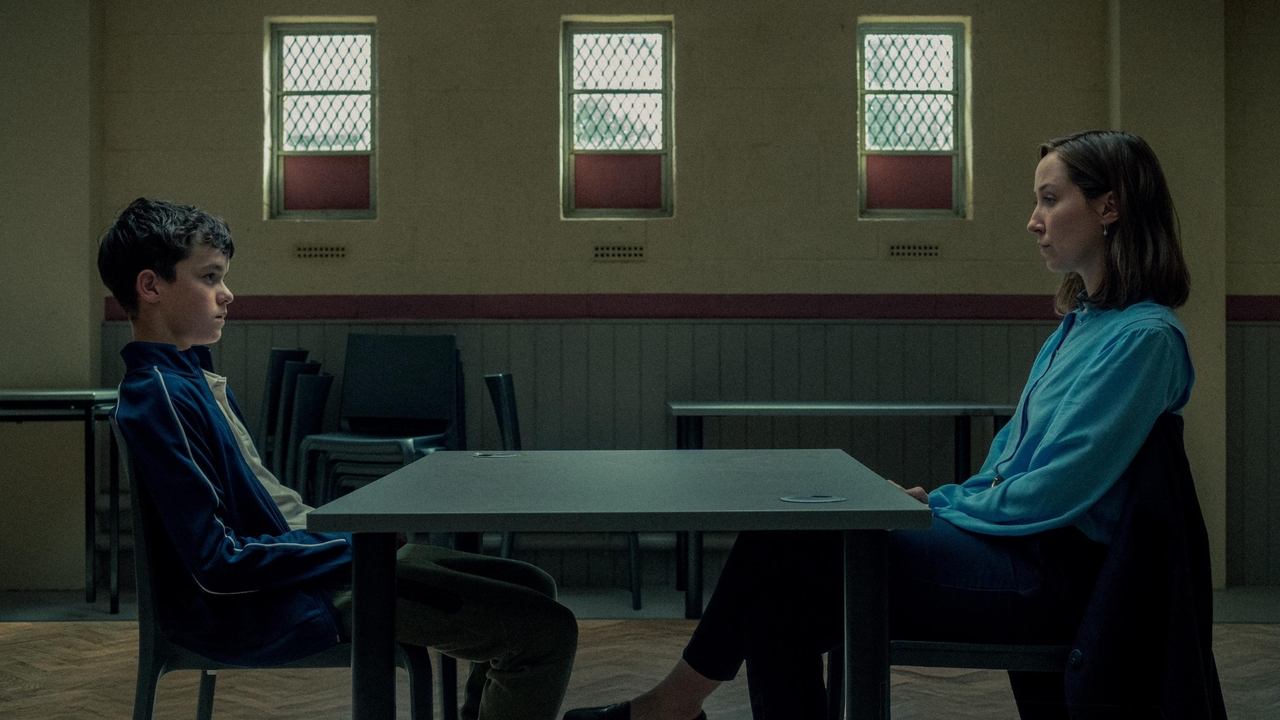
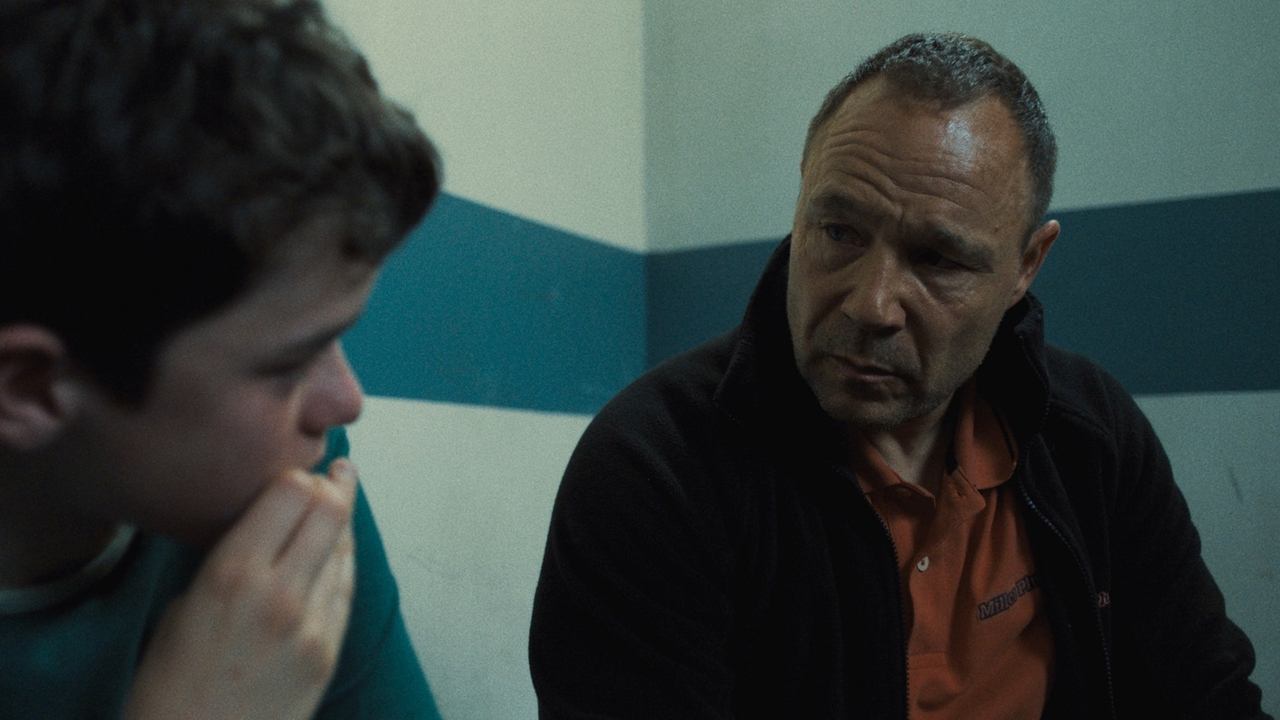
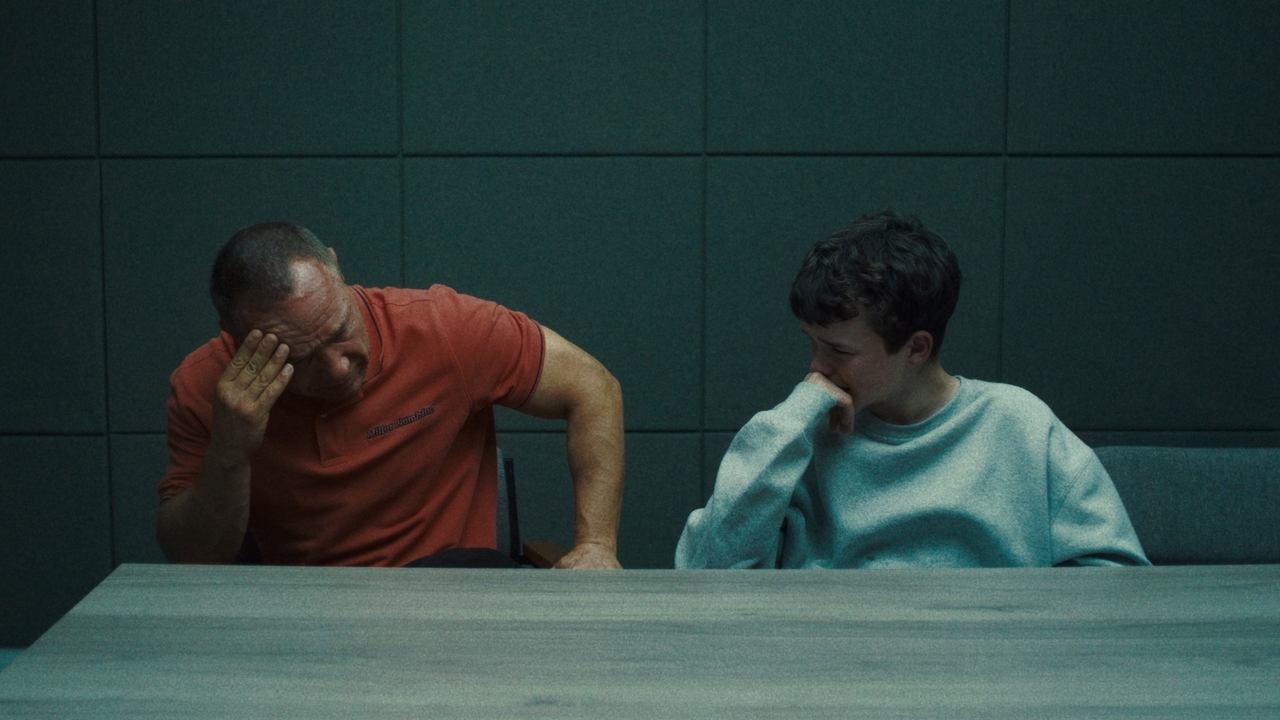
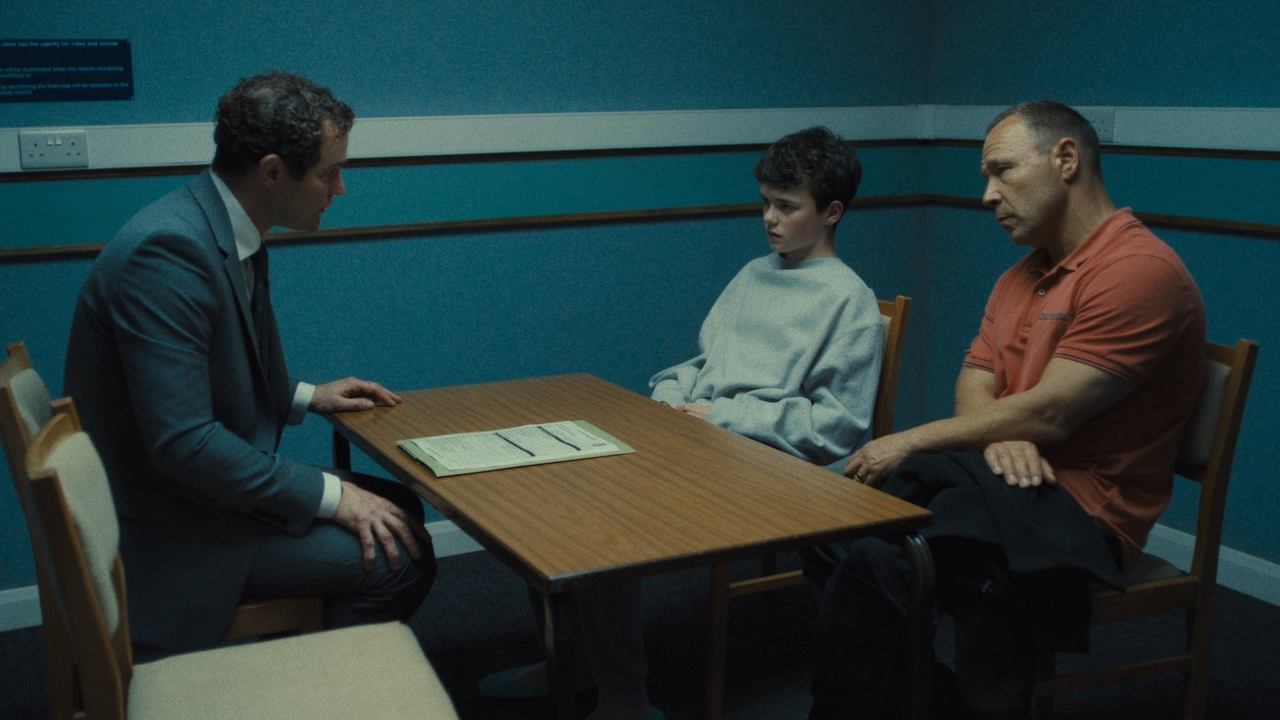
The series pulls off something rare: it refuses to turn a horrific youth crime into a trashy whodunit. Instead, director Philip Barantini and writer Jack Thorne use intense, unbroken takes to force viewers to sit inside the interrogation rooms, car rides, and kitchen arguments where nobody knows the right thing to say.

For parents, it lands like a cold shower about how little we can sometimes see of our kids' interior worlds, especially when those worlds happen in locked bedrooms and group chats. Watch it solo first, or watch it alongside an older high schooler who has the stomach for serious, unvarnished drama.

Age Fit

A hard 15 and up. This is high-art adult drama that mature older teens can watch alongside parents, but anyone under high school age will be overwhelmed by the bleak, claustrophobic tone.

WISE Breakdown
Wholesome
30

This is a relentless, emotionally bruising British drama about a 13-year-old accused of murdering a schoolmate. It offers zero cozy comfort, focusing instead on anger, grief, and parental dread.

Imaginative
82

Stylistically daring with long, unbroken takes that lock you into the room with the characters. It avoids generic procedural tropes in favor of raw realism.

Safe
42

Severe psychological tension, intense police interrogations of a minor, discussion of school violence, and pervasive profanity make it unsuitable for younger teens.

Enriching
90

Brilliant, painful examination of the blind spots parents have around their kids' social and digital lives, offering genuine insight into modern adolescent vulnerability.

Parent Info
✓

Why It Might Be Great

  • Uncompromising realism ditching courtroom melodrama to stay uncomfortably close to the raw, messy reality of a family falling apart.
  • Masterful technical craft that uses long, continuous takes to trap you in the interrogation room and living room alongside the characters.
  • Clear-eyed perspective on teen boys, examining how quickly isolation and quiet resentment build when adults only look at surface behavior.
⚠

What to Watch For

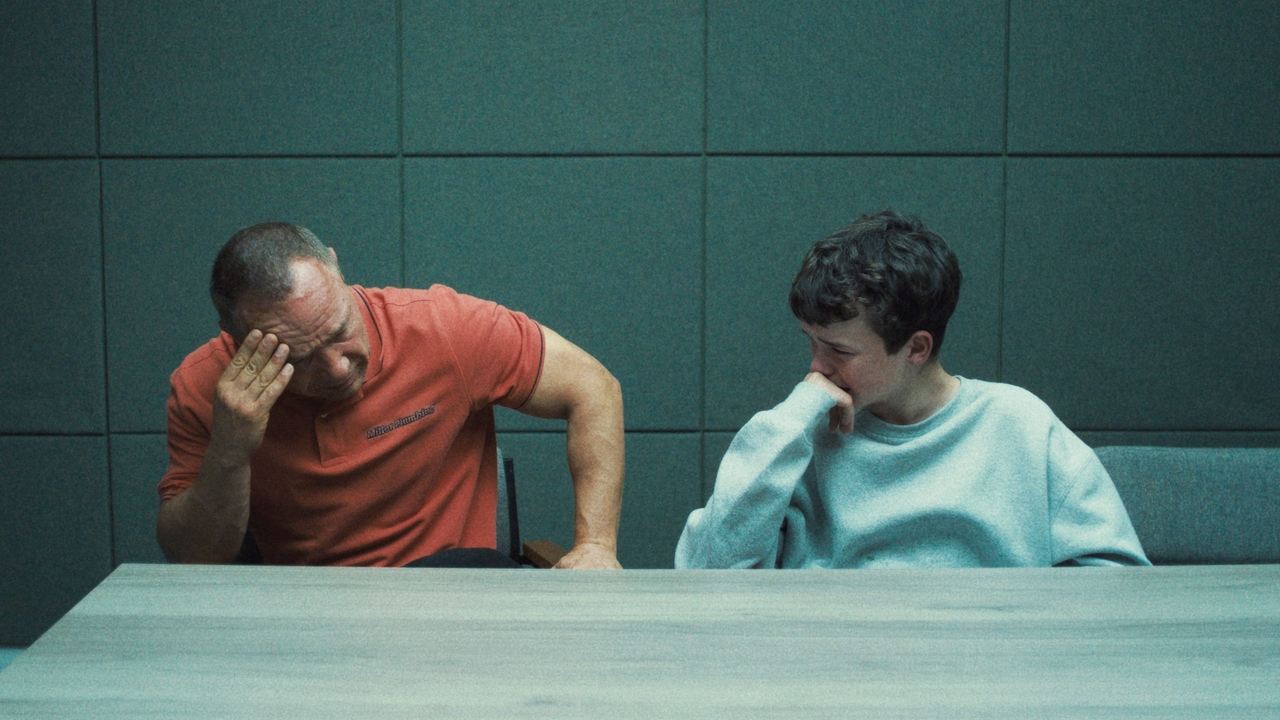
  • Claustrophobic police interrogations involving a distraught 13-year-old that feel painfully authentic and stressful.
  • Heavy focus on violent acts and the devastating grief left behind in a tight-knit school community.
  • Rough, unrelenting language throughout almost every heated family exchange and arrest scene.

Conversation Starters

  • "Why do you think Jamie kept so much of his daily frustration hidden from his dad?"
  • "How much do parents actually understand about the group chats and side conversations happening on their kids' phones?"
  • "At what point in the story did you feel empathy for the family, and where did that empathy break down?"

Deep Dive

The Quiet Danger of Not Looking

Most crime procedurals give you the comfort of distance. A body turns up, clever detectives hunt down clues, and by episode six, the puzzle clicks neatly into place. Adolescence refuses that bargain completely.

From the opening sequence where police raid a suburban home to arrest a bewildered 13-year-old boy, the miniseries plants itself entirely in the emotional wreckage left in the wake of violence. The camera rarely cuts away. If a scene lasts twenty minutes in an interview room, the tension just ratchets tighter with every tick of the wall clock.

What makes the show so devastating for a parent is not the crime itself, but the slow realization of how detached the parents were from the boy's actual life. Stephen Graham delivers a wrenching performance as a father oscillating between furious denial and the creeping horror that he never truly understood his own son.

The Digital Gulf

Unlike bad after-school specials that treat smartphones like evil alien artifacts, Adolescence treats technology as an invisible atmospheric pressure. The texts, the casual cruelty on message boards, and the algorithmic rabbit holes aren't treated as cartoonish villains. They are simply the water modern adolescents swim in, while their parents stand on the shore assuming everything is calm.

The creators understand that the most dangerous moments in a teen boy's life rarely look like a crisis from ten feet away; they look like a kid staring quietly at a screen in a closed bedroom.

If you plan to watch this with an older teenager, prepare for heavy silence afterward. It is not an easy show to talk about immediately, but it opens doors to the conversations that matter most: What does loneliness actually feel like right now? How much pressure are your peers carrying? And what do you do when someone in your circle starts drifting toward something dark?

What Parents Ask

Stills
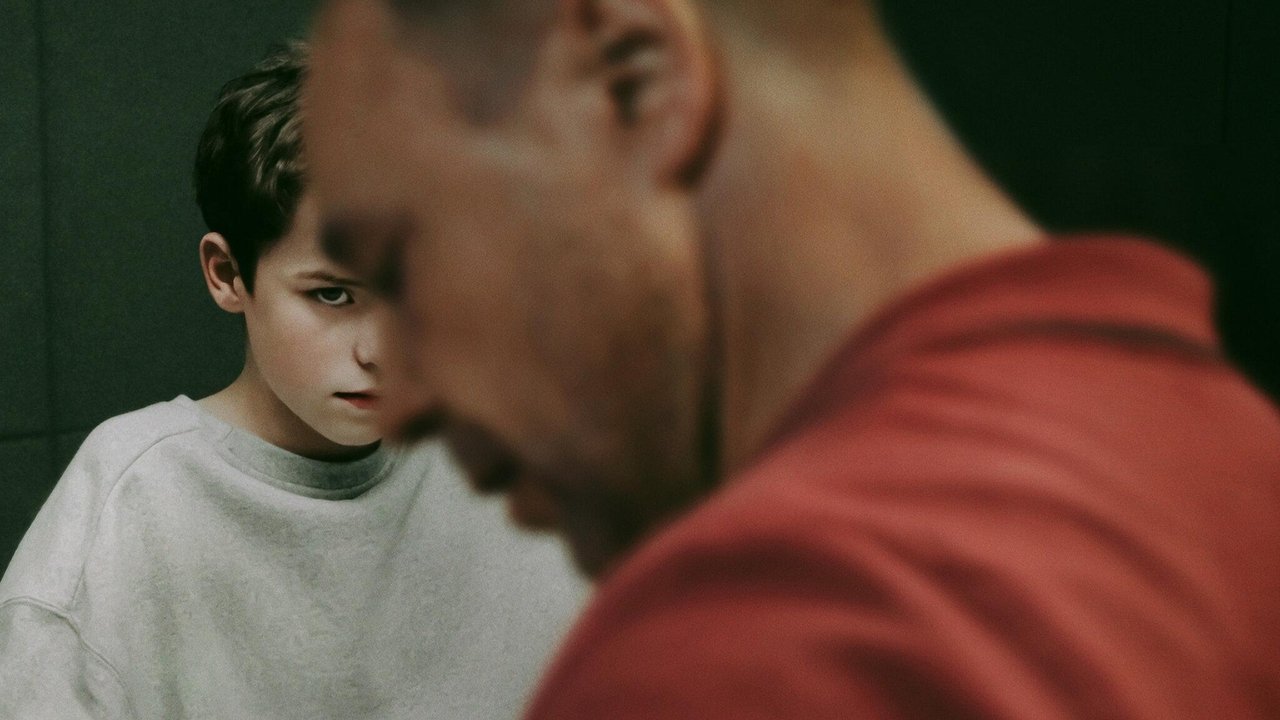
Adolescence — still 1
Adolescence — still 2
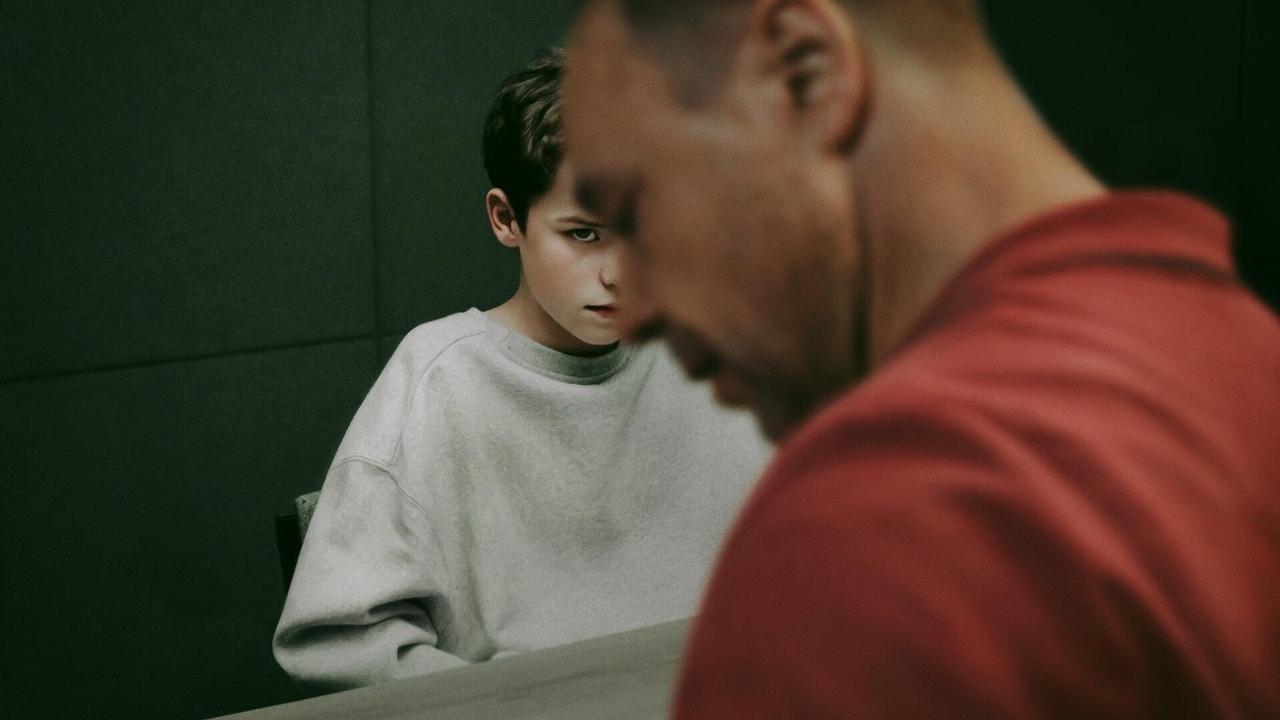
Adolescence — still 3
Adolescence — still 4
Adolescence — still 5
Adolescence — still 6
Adolescence — still 7
Adolescence — still 8

Ask Anything

Get a personalized guide on any topic

Related Guides