From Consumer to Creator
Most music apps for kids are 'toy-ified'—they give you pre-made loops that sound good no matter what you do. Ableton is the opposite. It gives you the raw components and expects you to build the engine. For a teenager, this is an incredibly empowering transition. It’s the difference between playing with LEGO and working in a woodshop.
The 'Classroom' Advantage
Ableton’s commitment to education is legitimate. Their Classroom initiative isn't just a marketing gimmick; they provide free 'Live Intro' licenses to schools and youth clubs. If your kid’s school doesn't have a music tech program, this is the specific tool to point them toward.
Hardware vs. Software
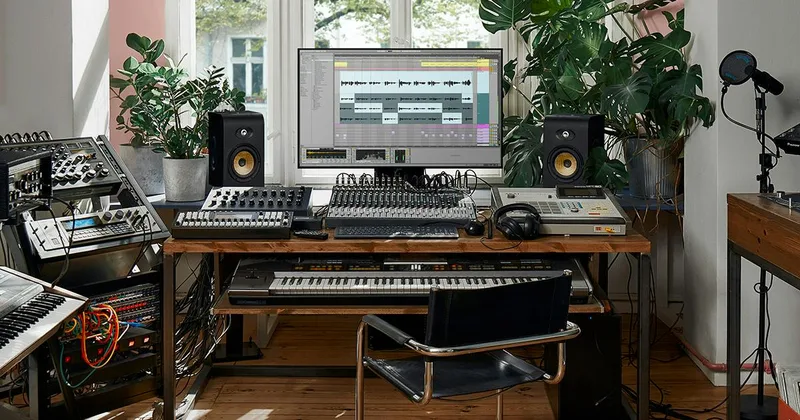
One thing to note: Ableton is often paired with hardware like the Push controller or MIDI keyboards. While you can do everything with a mouse and keyboard, the 'tactile' version of Ableton is where the magic happens for many kids. It turns the screen into an instrument rather than just a spreadsheet of sounds.
Is it better than GarageBand?
GarageBand is great for recording a guitar or a podcast. Ableton is better for building a track from the ground up, especially electronic, hip-hop, or pop. It uses a 'Session View'—a grid of clips—that feels more like a puzzle than a linear timeline. For kids who struggle with the 'start-to-finish' pressure of traditional recording, this non-linear approach is a game-changer.