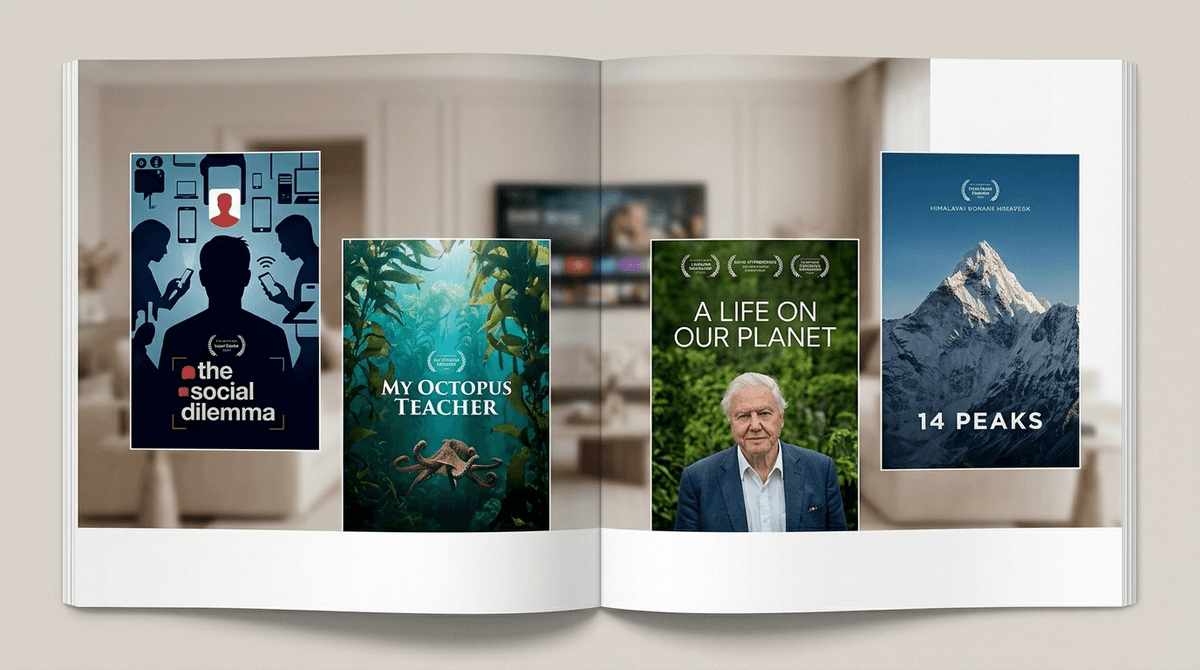
Most nature documentaries feel like a gallery of "greatest hits"—the coolest predators, the weirdest deep-sea fish, the most dramatic hunts. This is different. David Attenborough calls it his witness statement, and that’s exactly how it plays. It’s a legacy film that trades the usual "nature is amazing" vibe for something more urgent: "this is what we’ve lost while I was watching."
The "Ticker" of Loss
The most effective (and sobering) part of the film is the data ticker. As we follow Attenborough from his early days as a young naturalist in the 1950s to the present, the screen periodically displays three numbers: the world population, the carbon in the atmosphere, and the percentage of remaining wilderness. Watching that wilderness number plummet in real-time while Attenborough ages is a gut-punch. It turns abstract climate change into a visible, ticking clock.
For kids, this is a masterclass in how to read the world. It’s not just "the planet is changing"; it’s "the planet changed this much in one man's lifetime." This is the ultimate example of the Attenborough effect, where a trusted voice turns a potentially dry science lesson into a deeply personal story.
Managing the "Eco-Horror"
If your kid is used to the high-octane drama of recent wildlife shows, they might find the first half of this film heavy. There are scenes of environmental devastation—deforestation and animals in distress—that can feel like a lot. Parents on Reddit and IMDb have noted that it can feel "downright bleak."
If you have a child who is particularly sensitive to animal suffering or already struggling with climate anxiety, you’ll want to be in the room. We’ve looked at how to handle it when nature shows get too intense, and the best move here is to remind them that the film is a two-act play. The first half is the tragedy, but the second half is the blueprint for the fix.
Why it Works for Tweens
The reason this lands a 10+ age rating isn't because of "bad" content; it’s because it asks for a level of maturity to process the solutions. When Attenborough starts talking about rewilding, sustainable fishing, and changing how we eat, he isn't just complaining. He’s giving the audience agency.
It’s one of those rare documentaries that spark family discussions because it doesn't leave you hanging in despair. It makes the case that we can actually turn the wilderness percentage back up. If your kid liked the "wow" factor of something like Planet Earth, they’re ready for this. It takes that curiosity and attaches it to a sense of responsibility. It’s high-value screen time that actually sticks long after the credits roll.