The magic of this book isn't just that it features an autistic protagonist; it’s that it respects the reader enough to get angry. Elle McNicoll writes with a sharp, clear-eyed urgency that makes most "issue-driven" middle-grade novels look like they’re pulling their punches. If your kid is used to stories where the "different" character is a passive object of sympathy, A Kind of Spark will be a refreshing jolt to the system.
The "Witch" Connection
The central hook is Addie’s obsession with the 16th-century witch trials in her Scottish town of Juniper. While her classmates see a dusty history lesson, Addie sees a mirror. She realizes these women weren't magic—they were just "different" in ways the town couldn't handle, and they paid for it with their lives.
It’s a heavy parallel, but it works because it validates a feeling many neurodivergent kids have: that the world is a place with very specific, unwritten rules, and breaking them can feel dangerous. This isn't just a book about being nice to people; it’s a book about the history of "othering" and why we need to fight for the people who don't fit the mold.
Authentic Friction
You should know that the antagonists here aren't just mean kids on the playground. The real friction comes from adults in positions of power. Ms. Murphy, Addie’s teacher, is genuinely dismissive and occasionally cruel. For parents, reading these scenes can be frustrating—you'll want to reach into the pages and file a formal complaint with the school board.
However, for kids who have actually felt misunderstood by authority figures, seeing that dynamic played out on the page is incredibly validating. It makes Addie’s eventual advocacy feel like a real victory rather than a scripted "happily ever after." If you are exploring books with autistic characters, this one stands out because it doesn't sugarcoat the social exhaustion of "masking"—the effort it takes to act "normal" just to get through a school day.
How it Fits Your Shelf
If your kid previously connected with Fish in a Tree, they will recognize the school-struggle vibes here, but Addie’s story feels more politically charged. It’s less about "fitting in" and more about "changing the world to fit everyone."
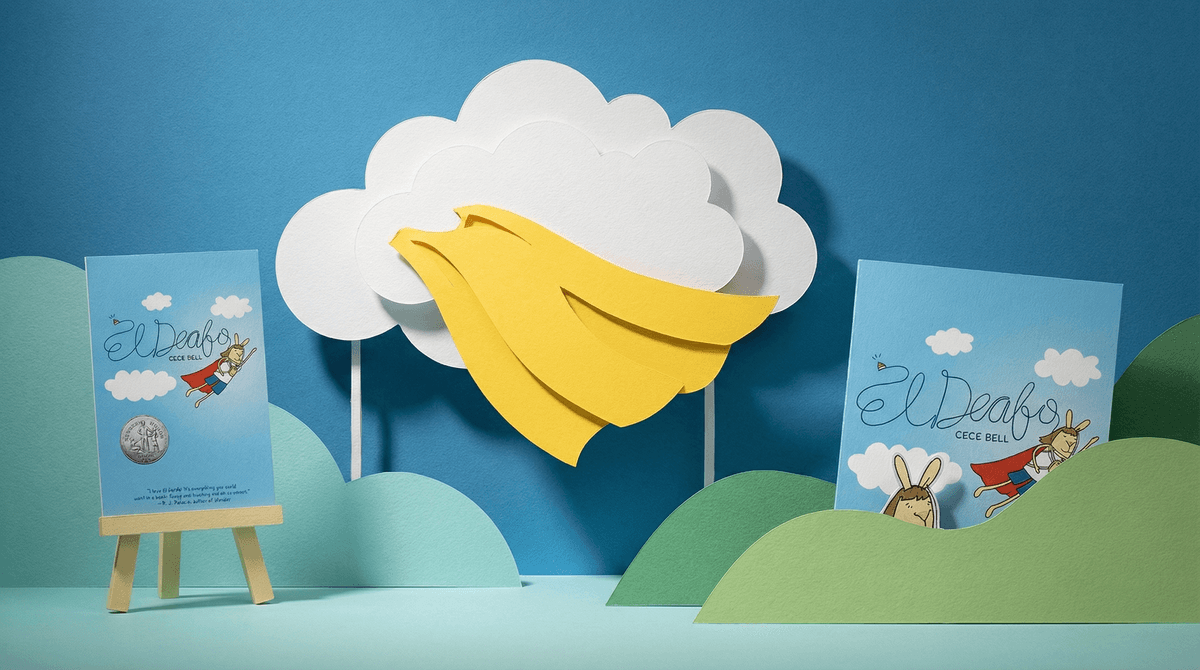
For families looking for neurodiversity books for kids that move beyond simple definitions, this is a top-tier choice. It pairs well with El Deafo for its "insider" perspective on disability, though the tone here is more grounded and serious.
Talking Points for After the Last Chapter
When your kid finishes, they might have questions about the r-slur or the historical violence mentioned. These aren't included for shock value. They’re there to show the stakes of Addie’s fight. Use our parent's guide to A Kind of Spark to navigate those tougher conversations about ableism and why Addie’s campaign for a memorial matters so much. This is a book that stays with you, mostly because Addie is the kind of character you’d actually want to go to bat for in real life.