The gateway drug of the BookTok era
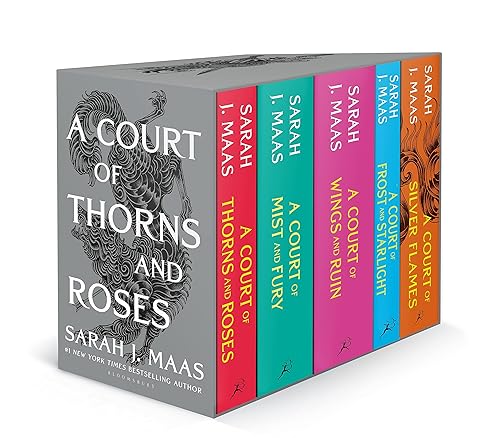
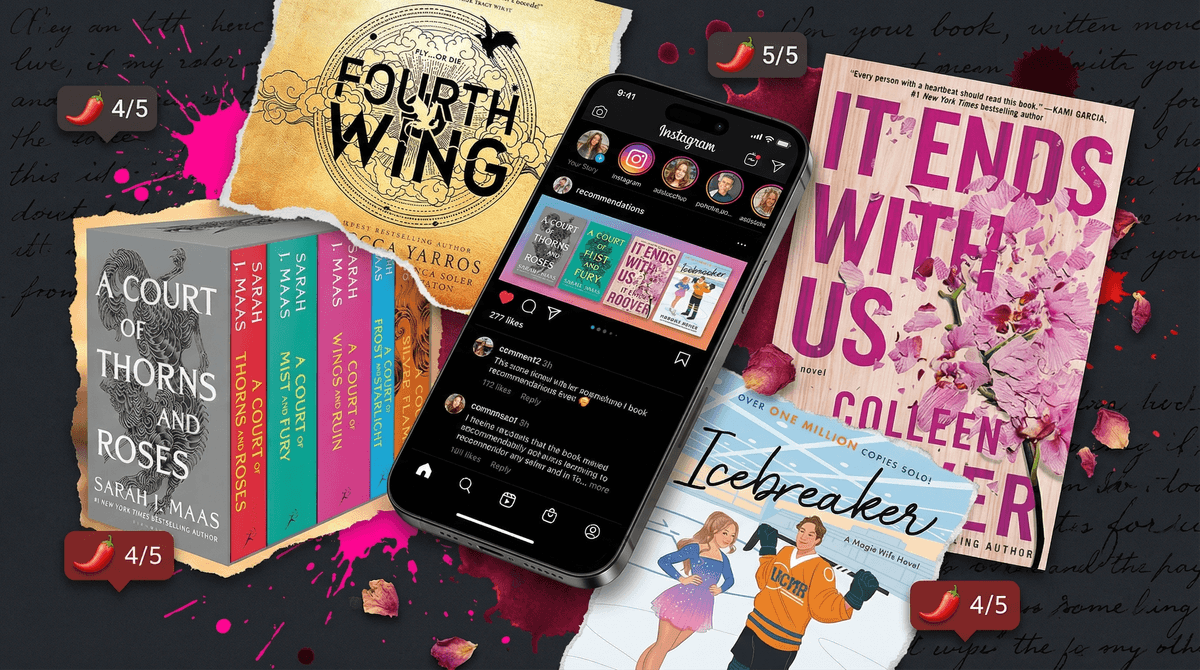
If you’ve noticed an influx of paperbacks with floral, thorny covers around your house, you’re witnessing the Sarah J. Maas effect. This series is a cultural monster. It has single-handedly revived the reading habits of millions, turning casual scrollers into "Romantasy" obsessives. But because it’s so viral, the marketing often bleeds into the Young Adult space, leading parents to believe it’s just another Twilight or Hunger Games.
It isn't. This is adult fiction that just happens to have a fairy-tale skin. While the first book, A Court of Thorns and Roses, starts as a relatively contained Beauty and the Beast retelling, the series quickly evolves into a sprawling epic of war, trauma, and very explicit sexual encounters. If you want to understand why teens are obsessed with 'spicy' faeries, you have to look at the community surrounding it. It’s not just a book; it’s an aesthetic, a fandom, and a lifestyle.
The "Romantasy" bait-and-switch
The biggest friction point for parents is the shifting maturity level across the five books. The first installment is "New Adult"—it has some heat and violence, but it’s mostly focused on Feyre’s survival in the Fae lands. However, as you move into A Court of Mist and Fury and eventually A Court of Silver Flames, the "spice" level ramps up significantly. We aren't talking about "fade to black" moments; we’re talking about explicit descriptions that leave nothing to the imagination.
There’s also the issue of the central romance. Critics and readers on sites like Goodreads often point out that the relationship in the first book is built on some pretty toxic foundations. Feyre is essentially a prisoner, and the power dynamics are skewed. While the later books do a great job of deconstructing that trauma and showing what a healthy, consensual partnership looks like, a younger reader might miss the critique and just see the "red flag" behavior as romantic.
If your kid is begging for ACOTAR
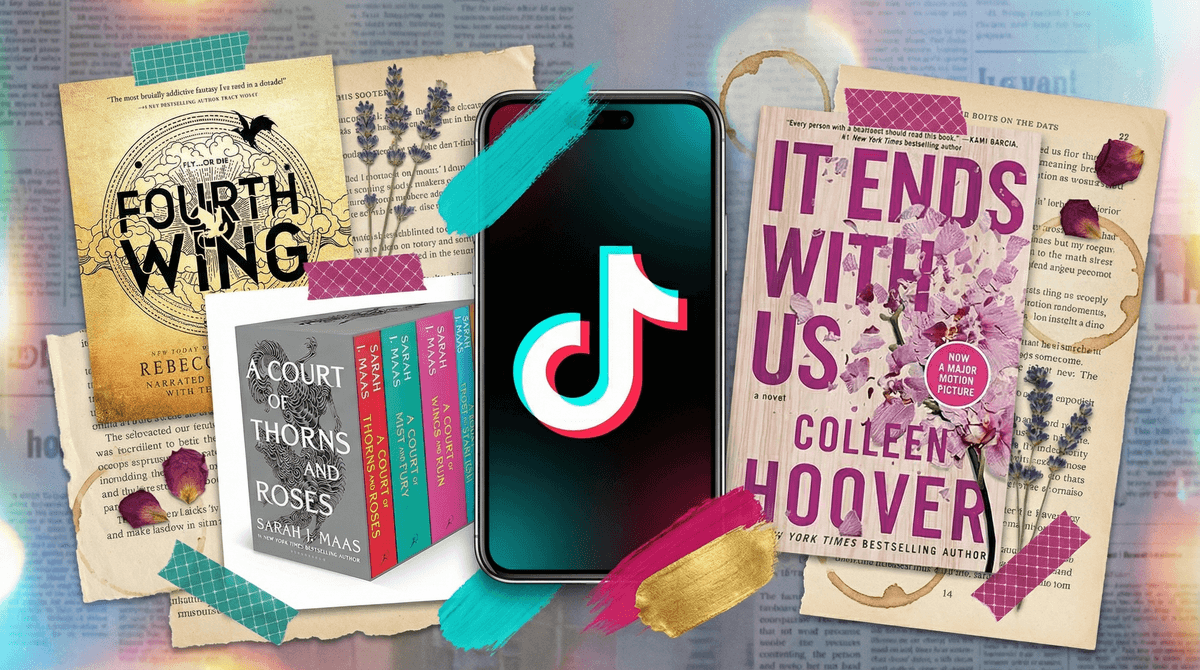
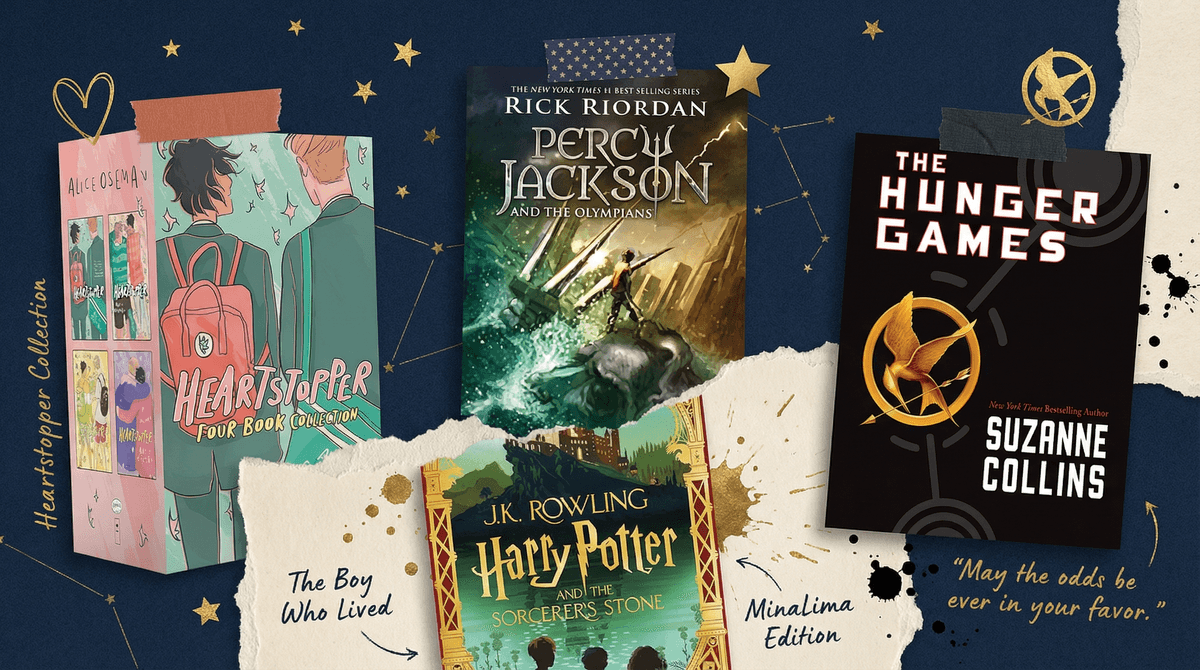
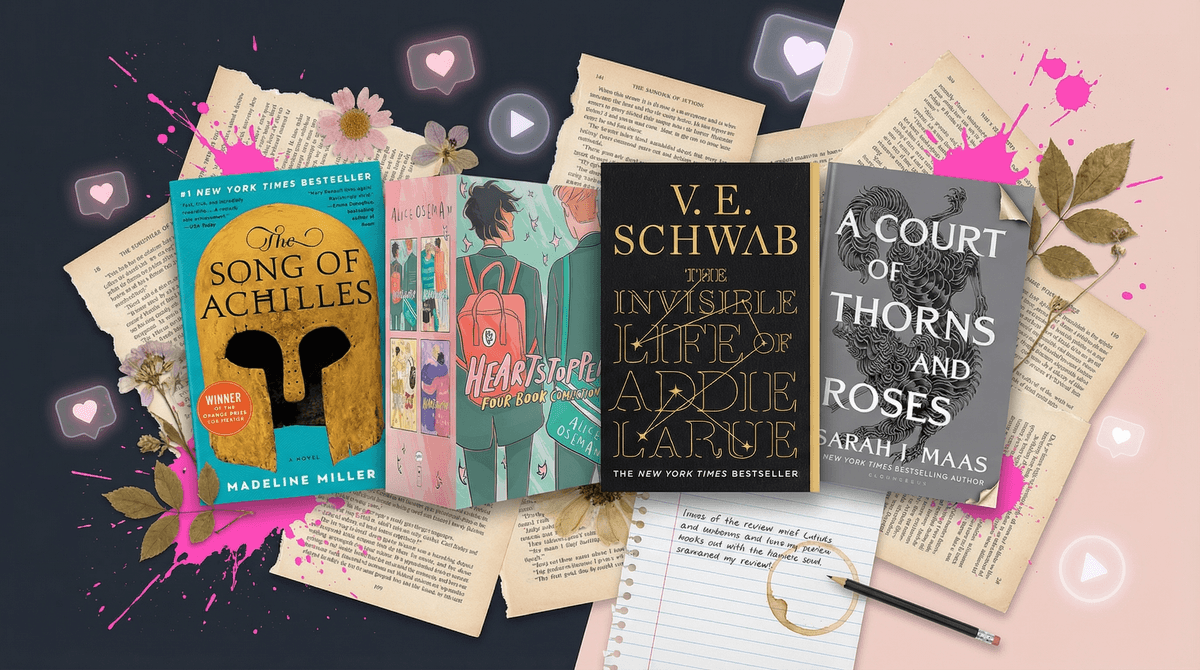
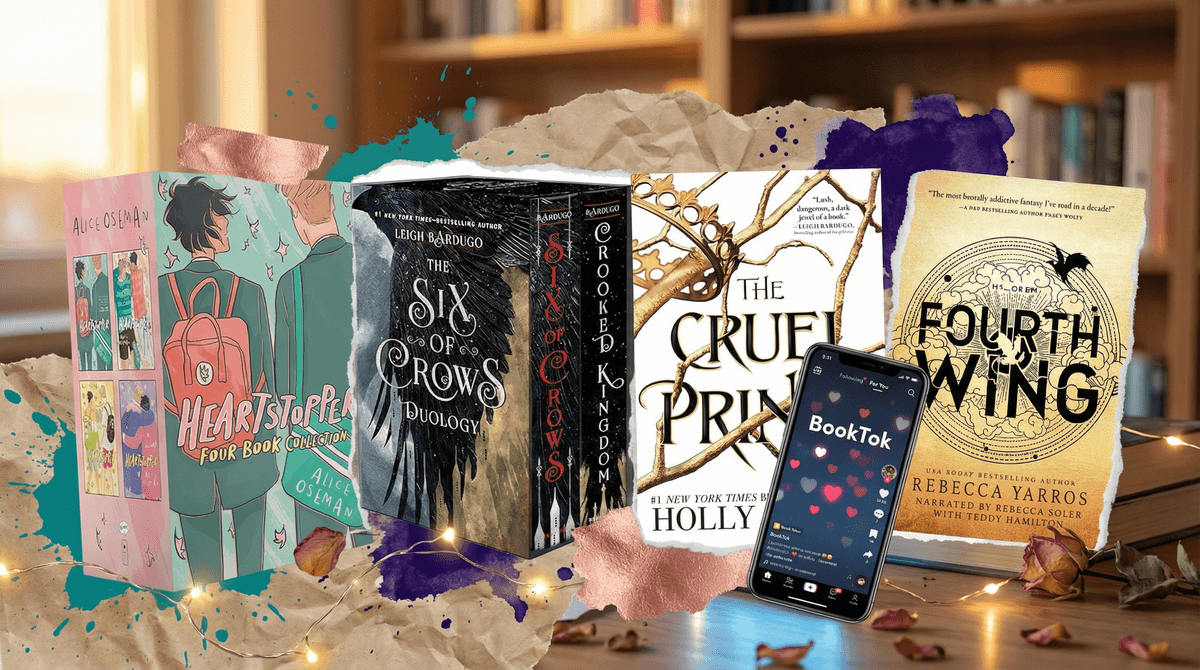
If your 13- or 14-year-old is asking for this because "everyone at school is reading it," they’re likely seeing the highlights on social media. Before you hand over the box set, it’s worth decoding what teens are actually reading on those platforms.
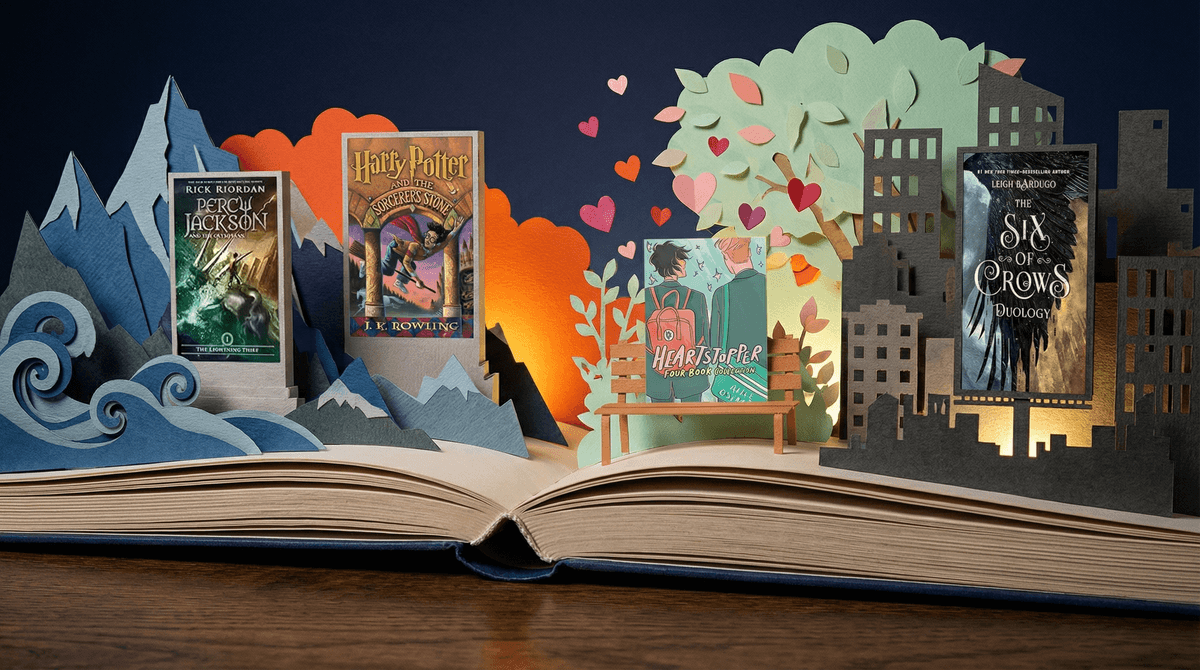
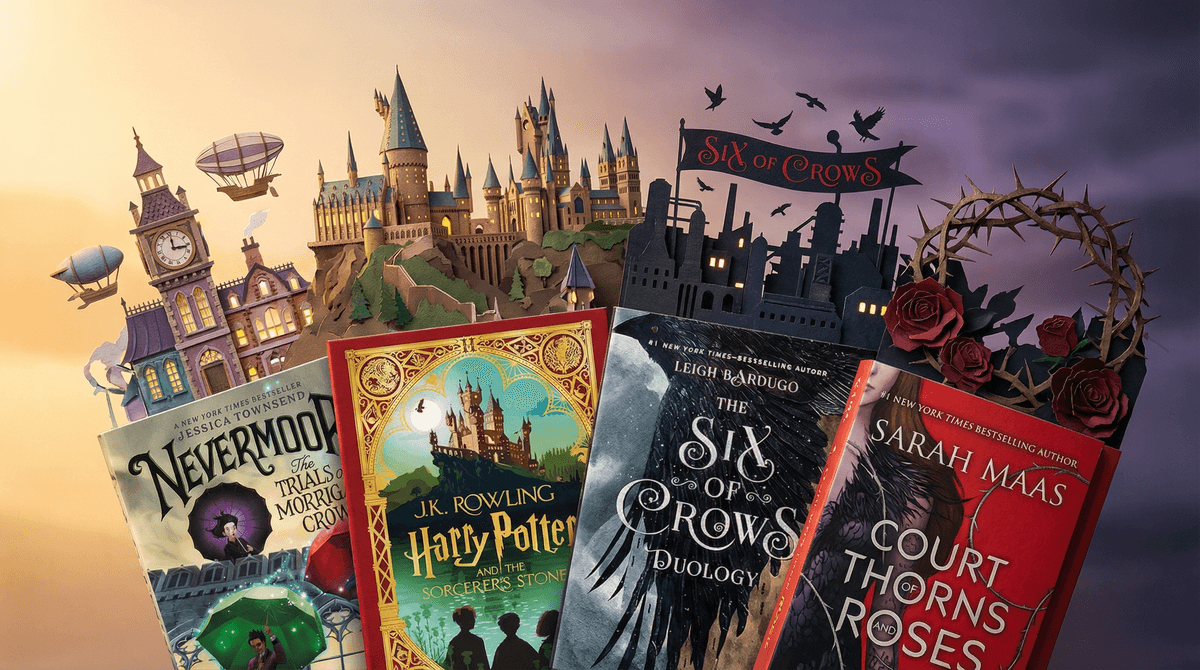
If they’re looking for high-stakes magic and romance but aren't ready for the graphic adult content of Maas’s world, there are better bridges. You can find plenty of age-appropriate fantasy books that offer the same "vibe"—brooding love interests, magical courts, and life-or-death stakes—without the 17+ content. Think of The Cruel Prince or Six of Crows as the training wheels.
Why it actually works (for the right age)
Despite the controversy over its age rating, the series is a 4.8-star juggernaut on Amazon for a reason. Maas is a master of the "page-turner." She knows how to build a world that feels lived-in and characters that readers would die for.
The later books, particularly the story of Feyre’s sister Nesta, deal with heavy themes like depression and self-loathing in ways that are genuinely moving. It’s escapism with teeth. For an older teen or an adult, it’s a fun, addictive ride. For a middle schooler, it’s a lot of adult baggage they don’t need to unpack just yet. Let them wait until they’re 17; the books (and the fandom) aren't going anywhere.