The Graphic Novel Filter
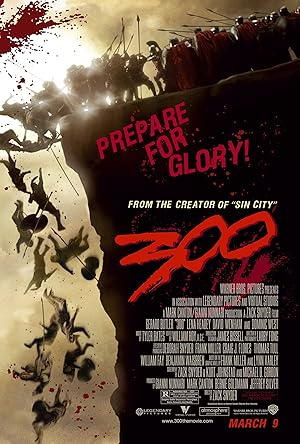
To understand why 300 looks the way it does, you have to realize it isn't trying to be Gladiator or Braveheart. It is a frame-for-frame translation of a Frank Miller comic book. That explains the weird, golden-sepia color palette and the fact that everyone looks like they spent six months eating nothing but chicken breast and iron filings.
The director used a technique called "crushed blacks" to make the shadows deep and the highlights pop, giving it a high-contrast look that was revolutionary in 2006. If you find the visuals jarring, that’s by design. It’s a hyper-masculine fever dream told from the perspective of a Spartan soldier sitting around a campfire. It’s supposed to be an exaggeration. Critics on Metacritic were split on whether this was high art or just a music video for a gym brand, but the audience reception on Rotten Tomatoes tells a different story. People loved the spectacle.
The "Historicity" Trap
If your kid is currently obsessed with Roman or Greek history, they might come to you asking to watch this for "educational" purposes. Let’s be clear: this movie is as historically accurate as Star Wars.
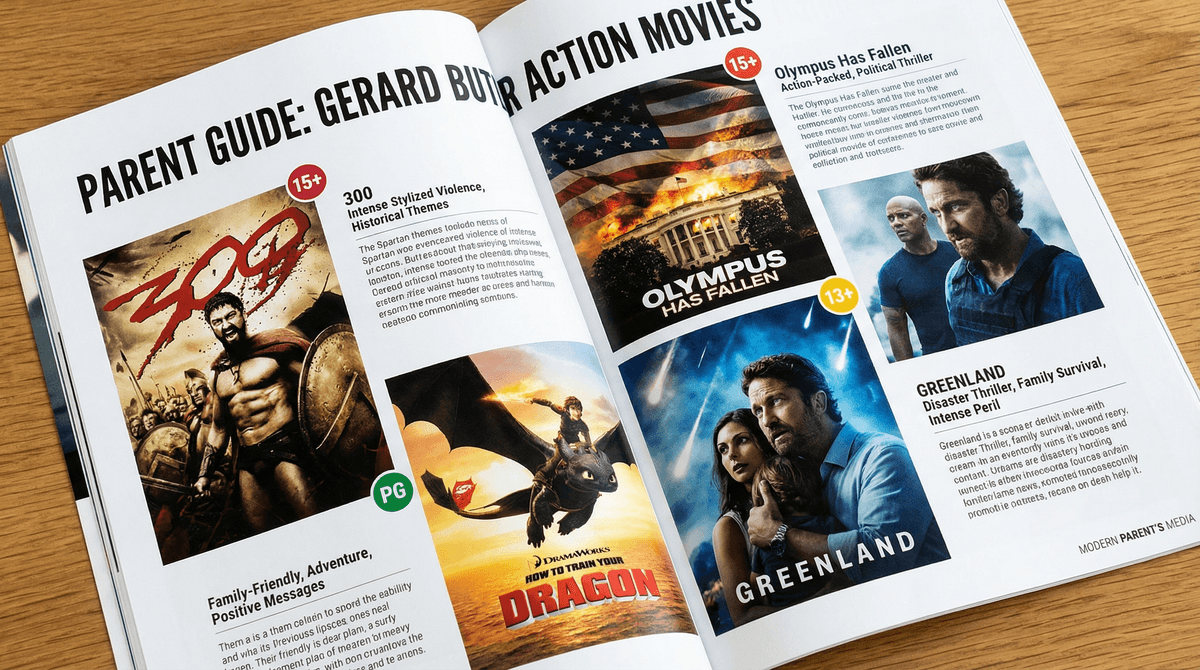
The real Spartans were a complex, brutal society that relied on a massive population of enslaved people called helots. You won't see that here. Instead, you get a story about "free men" fighting against "monsters." The film portrays the Persians as literal demons, giants, and mutants. It’s a problematic creative choice that turns a historical conflict into a fantasy horror movie. If you’re looking for other ways to navigate this genre with a younger viewer, check out our guide on Gerard Butler Action Movies: Which Ones Are Actually OK for Your Son? to see where this fits in his filmography.
Specific Friction Points
While the "This is Sparta" kick is the meme everyone knows, the actual R-rated content goes much deeper than just kicking guys into pits. The violence is relentless. We aren't just talking about sword fights; we’re talking about artistic displays of dismemberment and decapitation.
There are two specific moments that usually catch parents off guard:
- The Oracle scene: It’s a highly stylized, eerie sequence involving a young woman being handled by grotesque older men. It’s meant to be uncomfortable, and it succeeds.
- The Queen Gorgo subplot: While Lena Headey is great, her character’s storyline involves a sexual assault and a subsequent act of revenge that feels much "grittier" than the stylized comic book battles happening at the front lines.
Why It Still Matters
Despite the thin plot and the "meathead" energy, 300 changed the language of action cinema. Every movie that uses "speed ramping"—that effect where a fight slows down to a crawl for a second and then snaps into fast-motion—is essentially copying what Zack Snyder did here.
If you have a teen who is a cinematography nerd or wants to go into game design, this is a foundational text. The way the film uses a "virtual backlot" (shooting almost entirely on green screens) paved the way for how modern blockbusters are made. It’s a technical achievement that happens to be wrapped in a very loud, very bloody package. Just make sure they know that real history is a lot more complicated than a guy in a leather cape shouting at a messenger.