Finding music for an 11-year-old usually means watching them drift away from soundtrack anthems straight toward top-40 radio that is either lyrically way too old for middle school or polished to complete numbness.
Folk-pop and acoustic-leaning singer-songwriter pop hit the sweet spot for tweens. This corner of music gives them genuine emotional depth, narrative storytelling, and acoustic instrumentation without relying on club-heavy themes or explicit shock value. The four picks on this list balance big arena hooks, acoustic chops, and honest songwriting that meets middle schoolers where they actually are.
For an 11-year-old moving into real music discovery, start with Taylor Swift: The Eras Tour to experience songwriting craft on a stadium scale, paired with the soaring vocals of Benson Boone. To explore more reflective acoustic songwriting, turn to Gracie Abrams, and dive into the creative reality behind the melodies with Ed Sheeran: The Sum of It All.
Tweens love scale. They gravitate toward huge choruses they can belt out with friends, but they also care about seeing an artist actually sing and perform.
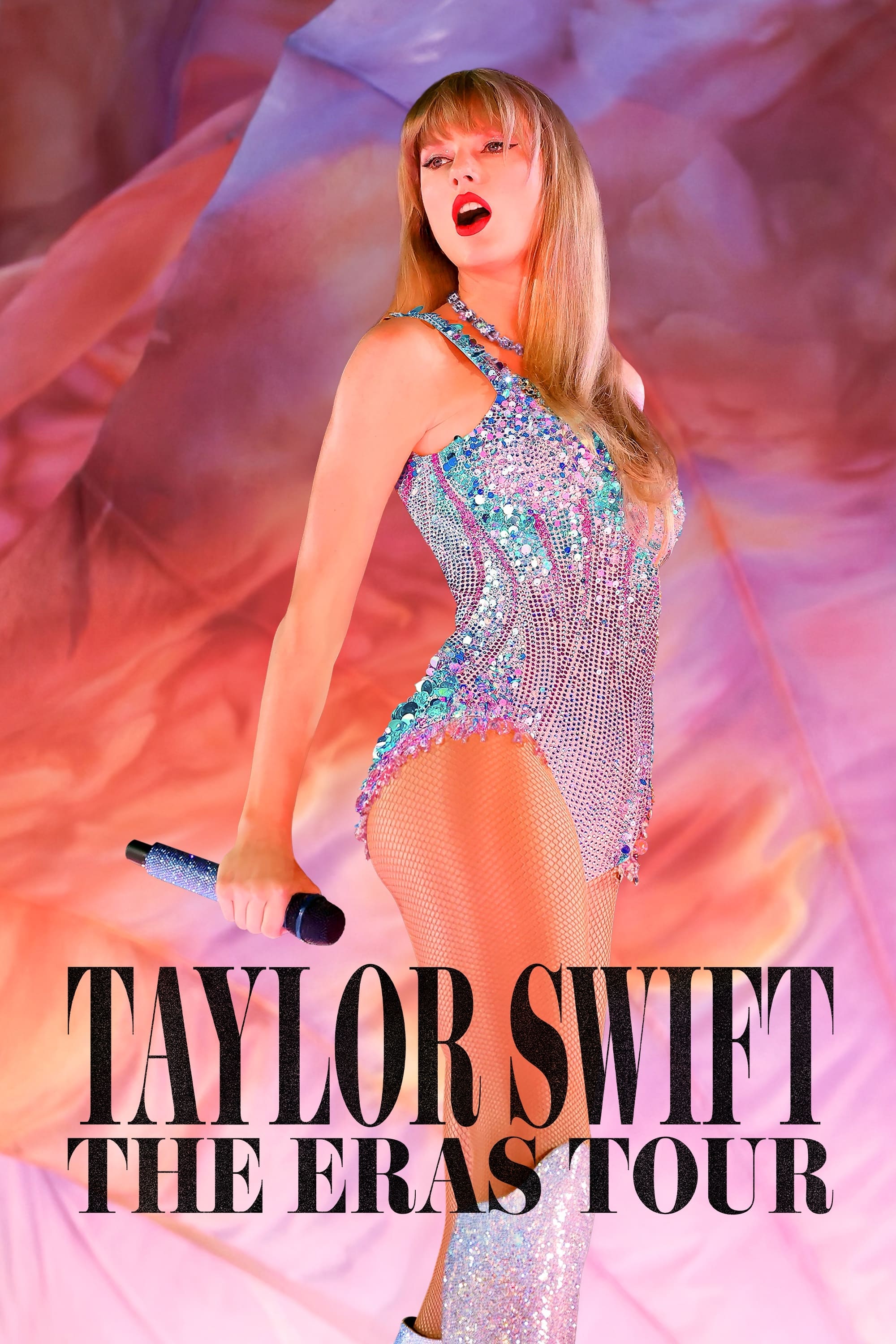
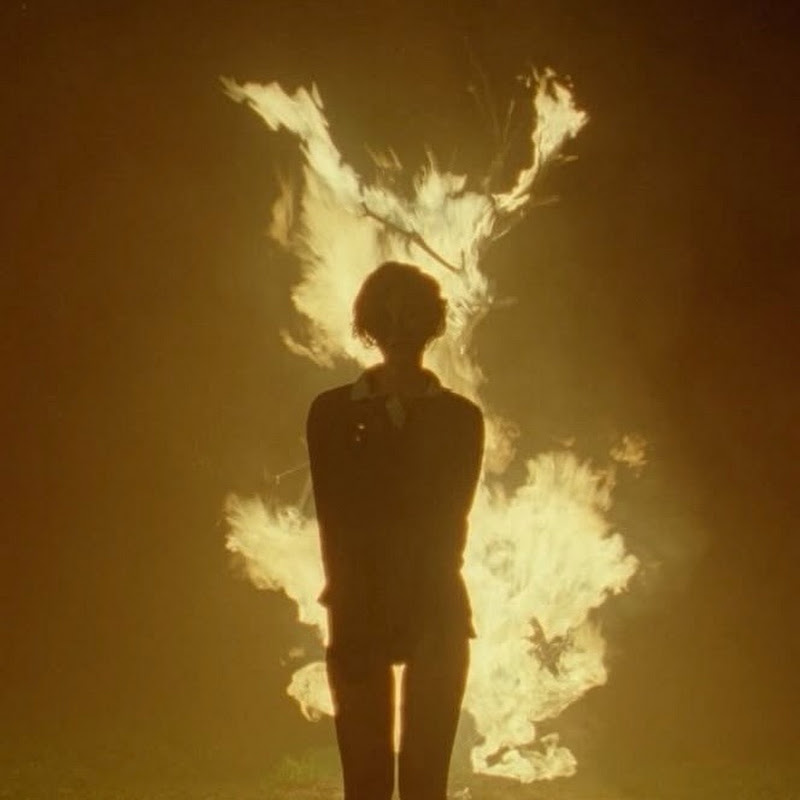
Swift is the gravitational center of modern tween pop, and this concert film captures why better than any single album release. Clocking in at nearly three hours, it documents the full span of her career, tracking the evolution from country-folk storytelling on acoustic guitar to massive synth-pop and back to the indie-folk era of folklore and evermore.
What makes this an incredible watch for an 11-year-old is the sheer work ethic on display. There is no lip-syncing here; it is an athletic, vocal, and theatrical masterclass in stagecraft. Swift treats songwriting as narrative architecture, showing how a song written on a bedroom floor can scale up to command 70,000 people.
The watch-out is pure endurance: at 169 minutes, it demands stamina. Break it up by "eras" over two or three movie nights rather than trying to power through the entire set in one sitting.
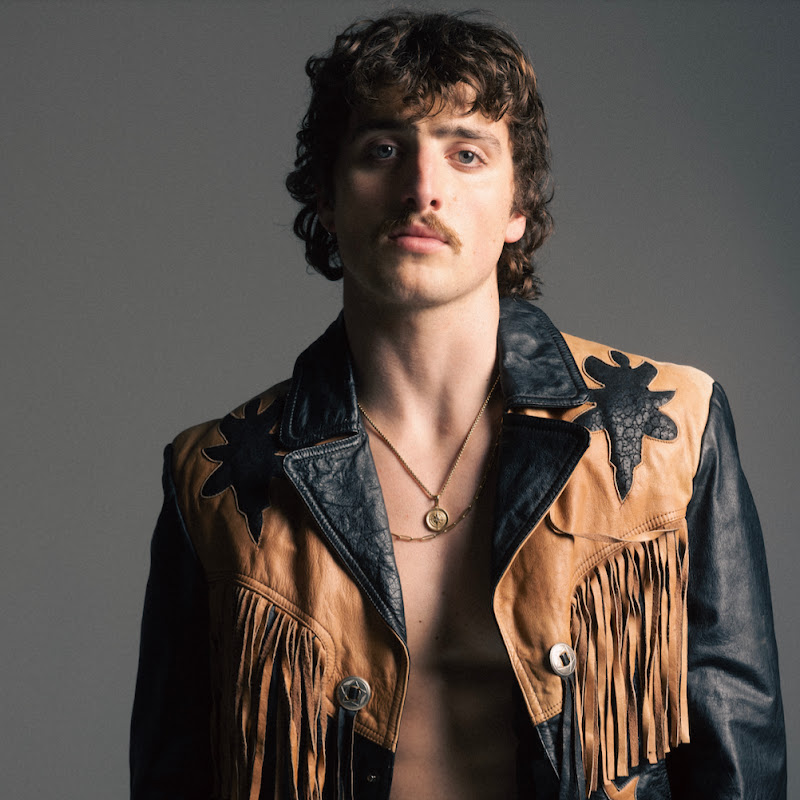
If your kid wants soaring pop anthems with a raw, acoustic foundation, Benson Boone is the current standard. Known for hits like "Beautiful Things," his official YouTube channel highlights a performer who brings old-school vocal power, acoustic guitar, and absurd athletic energy—like backflipping off grand pianos mid-chorus.
The music balances stadium-rock hooks with earnest pop-folk melodies. Boone's songs are clean enough for general audiences, though they live heavily in the world of young heartbreak and relationship anxiety.
The friction point here is the platform itself: official music videos quickly autoplay into reaction videos, gossip vlogs, and uncurated feeds. Watching full live sets or music videos on the TV app in a shared living room beats letting an 11-year-old wander unsupervised through the YouTube mobile comments.
Around age eleven or twelve, kids start looking for music that feels private—songs that sound like journal entries and capture the messy feeling of outgrowing childhood.
Gracie Abrams represents the quieter, introspective side of modern pop. Her official YouTube channel features acoustic sessions and music videos that highlight stripped-back guitars, close-mic vocals, and conversational lyrics about social anxiety, crushes, and feeling out of place.
For a tween picking up a guitar or keyboard, Abrams is an ideal study. Her songs demonstrate that music doesn't need slick studio gloss or overwhelming beats to connect; four chords and honest writing carry the whole thing.
The primary consideration is the mood. Abrams leans heavily into a melancholic aesthetic. While the songs are clean, they dwell on romantic longing and emotional insecurity. It lands best with reflective middle schoolers who treat music as a space to process their own inner world.
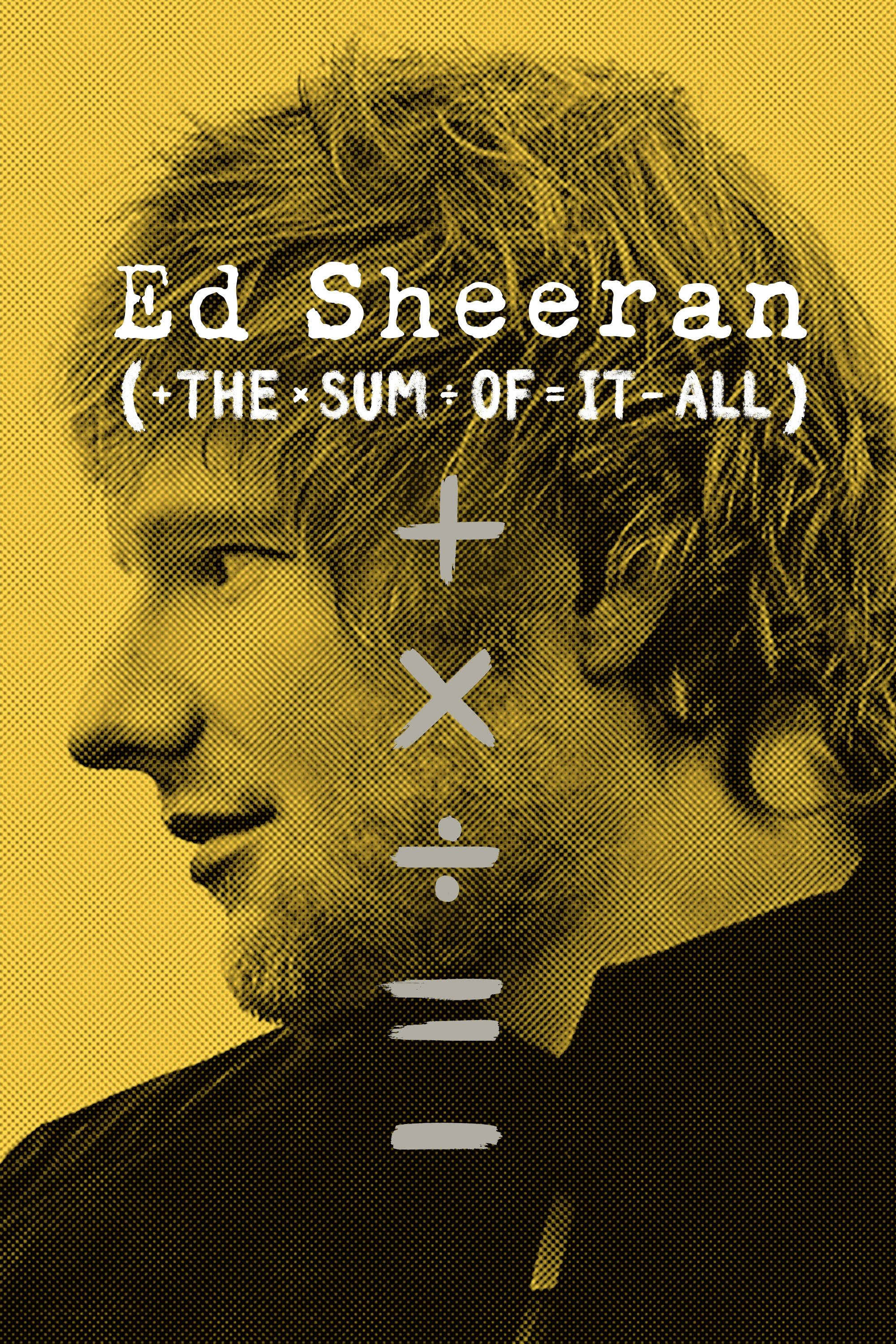
Ed Sheeran spent a decade bridging the gap between acoustic busker folk and global pop domination. While his radio hits can sometimes feel ubiquitous, this four-part documentary series strips away the celebrity gloss to show the human reality of making music while dealing with serious life events, including grief, medical crises, and loss.
This docuseries isn't music-video fluff; it deals openly with the death of close friends and real-world hardship. For an 11-year-old who already loves Sheeran's songs or plays an instrument, it provides a mature, grounded look at how personal pain translates into creative work. Because of the heavy themes around grief and illness, this is one to watch together rather than hand off as casual background noise.
Pop music often gets written off as disposable, but folk-pop has a unique ability to teach young listeners about song structure, acoustic instrumentation, and emotional resonance.
If your kid loves the storytelling in this music, connect the listening to hands-on music discovery:
- Watch the acoustic performances first. Before putting on a highly produced music video, pull up a Tiny Desk concert or an acoustic session. Seeing an artist hold an acoustic guitar or sit at an upright piano breaks the illusion that pop music only comes out of a computer.
- Talk about the narrative arc. Folk-pop songs are stories with characters, tension, and resolution. Ask your kid what story the songwriter is telling in the verses versus what emotion they release in the chorus.
- Look at the lineage. When your kid loves Gracie Abrams or Taylor Swift, trace the influences backward. Play them Joni Mitchell, Tracy Chapman, or Fleetwood Mac to show them where modern folk-pop gets its DNA.
For more great media recommendations across genres and formats, explore our digital guide for middle school and browse our best shows for kids list.
Two of the strongest discoveries on this list—Benson Boone and Gracie Abrams—are hosted on YouTube. While the music and official live performances are fantastic, the platform environment presents a specific friction point for an 11-year-old.
The risk here isn't the artists' official content; it's the algorithm surrounding it. A music video ends, and autoplay immediately queues up stan culture commentary, fan edits, gossip breakdowns, or unrelated viral content. Comment sections on pop artists' channels are notoriously chaotic, filled with personal trauma dumping and parasocial drama.
Keep music discovery intentional on video platforms. Play music videos through the family room TV, build curated playlists together, or transfer their favorite discoveries over to an audio-only streaming profile where they can listen without being pushed into an infinite video feed.
Q: Is Taylor Swift's Eras Tour movie appropriate for an 11-year-old?
Yes. The film is rated PG-13 for some mild language and mature thematic material in the song lyrics, but the concert experience is overwhelmingly positive, athletic, and safe for tweens.
Q: What music artists are clean alternatives to Olivia Rodrigo?
Gracie Abrams and Benson Boone offer the same emotional intensity, acoustic hooks, and vocal power as Olivia Rodrigo while staying considerably cleaner lyrically and avoiding explicit language.
Q: Is Ed Sheeran: The Sum of It All too sad for middle schoolers?
The series deals heavily with adult grief, terminal illness, and loss, making it best suited for mature tweens (ages 11-12 and up) watching alongside a parent who can talk through those heavier real-world themes.
Q: Where can my tween listen to pop music without explicit content?
Set up a standard music streaming profile with the explicit content toggle turned strictly off, or watch official acoustic sessions together on a shared family screen to bypass algorithmic video rabbit holes.
Use these picks to open up better listening habits with your middle schooler. If you want to keep exploring music, storytelling, and screen choices that fit this exact developmental stage, build a music and audio list for your 11-year-old .
To explore more high-quality media across other categories, check out our best movies for kids list or discover great long-form listening with our best podcasts for kids list.