

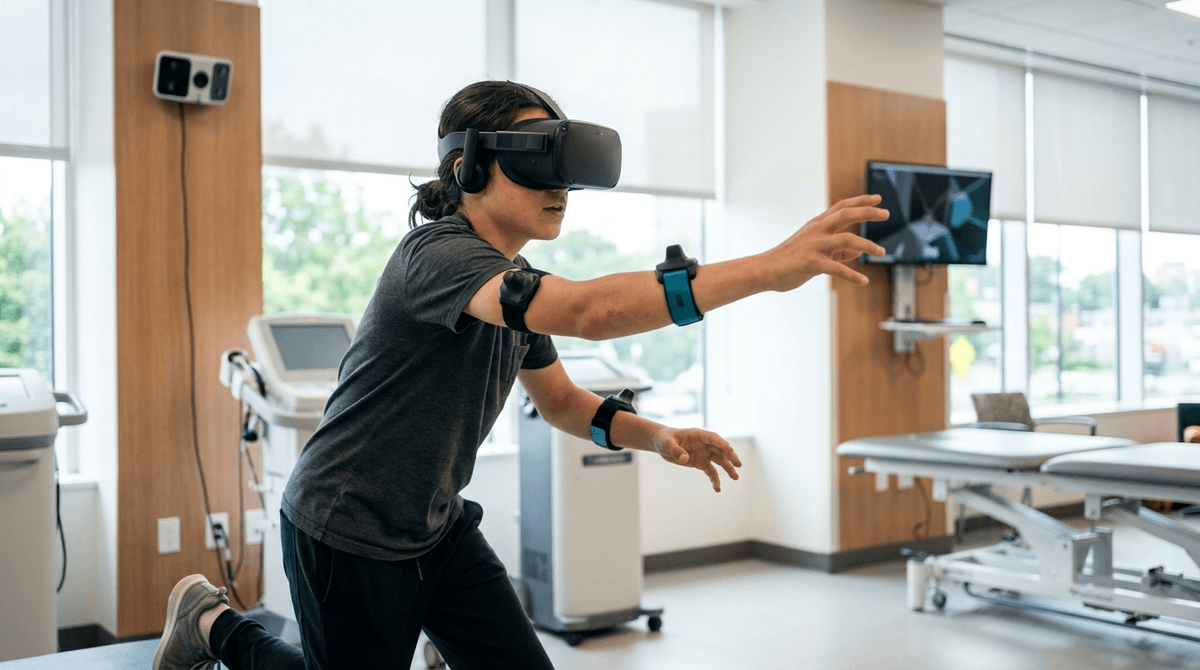
Extended reality (XR) transforms tedious pediatric physical therapy into an engaging, familiar experience that children are far more likely to complete. For young patients, these tools shift the focus from painful repetition to interactive play, turning a clinical chore into a digital achievement.
Children and young adults find virtual and extended reality tools significantly more motivating than traditional physical therapy exercises. By turning clinical rehabilitation into a gamified experience, these tools increase patient "adherence" and make repetitive movements feel purposeful rather than burdensome for kids between the ages of 6 and 20.
Adherence is the single biggest hurdle in pediatric rehabilitation. If a child finds their exercises boring, repetitive, or painful, they often stop doing them, which directly stalls their physical recovery. This study suggests that XR isn't just a "treat" or generic screen time; it is a legitimate clinical intervention that can save parents from the daily struggle of enforcing home exercise programs.
Using these tools also helps bridge the gap between a child's "real life" and their medical life. Because most kids are already comfortable with gaming, bringing XR into the clinic makes the environment feel less intimidating and more like a space where they already have competency and skill.
Traditional physical therapy relies on repetitive, often grueling movements that lack immediate visual or emotional rewards. Researchers wanted to understand if the "digital native" status of today's children could be leveraged to make clinical settings feel more like home environments, where gaming is already a primary source of agency and joy. They specifically looked for how the "fun factor" of XR impacts a child’s sense of control over their own body.
Participants across the wide age range viewed XR as a tool that logically belongs in a modern doctor's office. The study highlighted several key shifts in the patient experience:
- Motivation is the primary driver. Gamified therapy makes patients more likely to finish difficult sessions because they are focused on the digital goals—like hitting a target or winning a race—rather than their physical limitations.
- It grants a sense of power. Users reported feeling more in control of their progress. In the XR environment, they felt like active participants in their healing rather than passive subjects of a doctor’s instructions.
- Tech glitches are a dealbreaker. While the kids loved the games, they were quickly frustrated by technical unreliability. If the headset froze or the sensors lagged, the therapeutic benefit vanished.
- The therapist's job changes. Instead of just shouting instructions, the provider becomes a "facilitator" of the technology. This shift improved the dynamic between the child and the adult, making it feel more like a partnership.
The shift in the patient-provider dynamic suggests that XR might significantly reduce the "power struggle" often found in pediatric medicine. When a child is focused on a virtual objective, the therapist is no longer the "enforcer" but a teammate helping them navigate a digital world. This likely reduces the emotional fatigue for both the child and the parent, as the burden of "making the kid do the work" shifts from the adult to the internal motivation provided by the game.
This was a qualitative study of only 28 participants, which means it captures deep opinions rather than proving that XR cures patients faster than traditional weights and bands. The age gap in the study is also massive; a 6-year-old’s physical coordination and interest in VR are fundamentally different from a 20-year-old’s. Finally, the participants in this study already had experience with XR and likely already enjoyed gaming, so these results might not apply to a child who finds technology overwhelming or confusing.
- If your child is resisting traditional physical therapy due to boredom, ask your clinic if they offer XR or VR-based programs to increase your child's willingness to participate in repetitive exercises.
- If your child experiences nausea or "simulator sickness" during recreational gaming, monitor them closely during XR therapy sessions, as these side effects were specifically noted by participants as a major drawback.
- If you are worried about "screen time" limits, reclassify XR rehabilitation as medical treatment rather than entertainment to avoid unnecessary guilt or conflict over daily digital boundaries.
- If the therapy involves a home-based XR component, ensure the technical setup is seamless and the Wi-Fi is stable before starting the session, as kids in the study lost interest the moment the technology glitched.
Extended reality turns the "work" of recovery into the "play" of gaming, making it a powerful ally for families facing long-term rehabilitation. Treat XR as a functional medical tool that empowers your child to take charge of their own healing process.
Hervo J, Ferron A, Kersale M et al. (2026). Children's and young people's perspectives on extended reality in paediatric rehabilitation: A qualitative study. Developmental medicine and child neurology. doi:10.1111/dmcn.70338 — pubmed.ncbi.nlm.nih.gov