

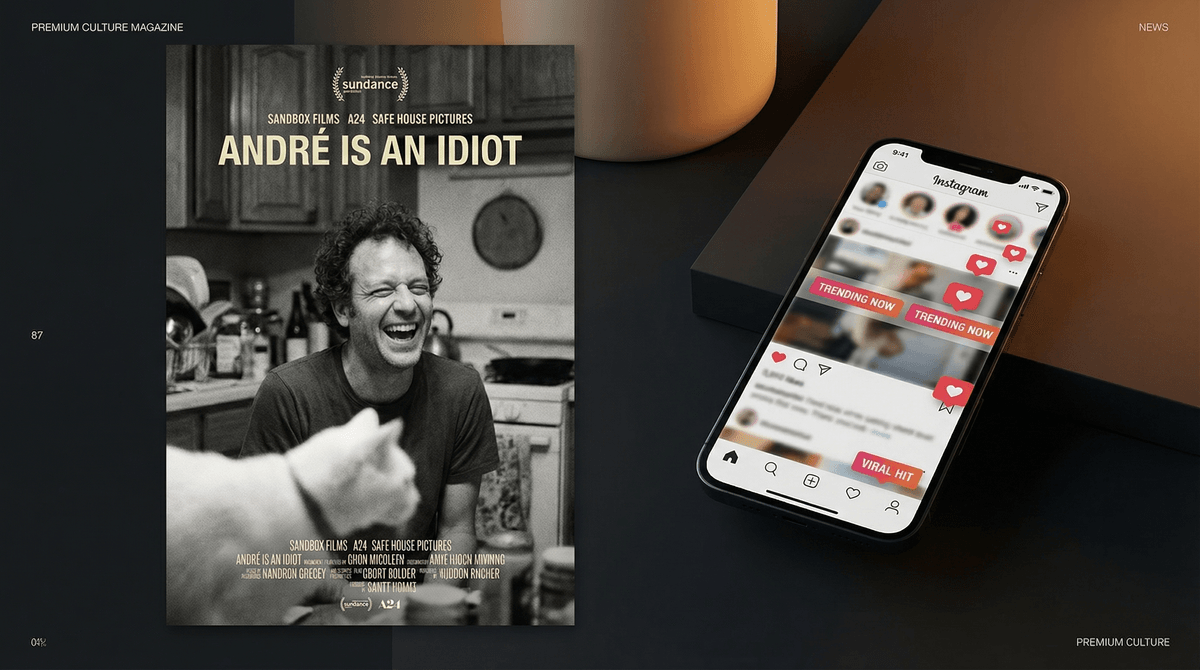
Why 'André Is an Idiot' Is Trending: The Dark Comedy Documentary Parents Are Talking About
TL;DR: A Sundance documentary about a terminally ill man's final year has become an unexpected viral hit among teens and young adults. André Is an Idiot combines dark humor with profound questions about mortality, friendship, and what makes life meaningful. It's rated R for language and mature themes, but for older teens (16+) who are ready for it, this might be one of the most meaningful films they watch this year.
Here's the premise that sounds absolutely unwatchable on paper: filmmaker Maxime Desmons documents his best friend André's final year after André is diagnosed with terminal brain cancer. André, a 40-something Belgian man who never quite got his life together, decides to spend his remaining time... well, being himself. Which means making terrible decisions, cracking inappropriate jokes, and generally refusing to have a "beautiful dying person" arc.
The film premiered at Sundance 2025 and won the Documentary Grand Jury Prize. Critics called it "the funniest film about death you'll ever see" and "devastatingly honest." Then teens found it on streaming, started sharing clips on TikTok and Instagram, and suddenly everyone's talking about it.
The viral moment started with a specific scene where André, knowing he's dying, still argues with his friend about who makes better pasta. It's absurd, it's funny, and it's deeply human. Gen Z latched onto it immediately.
The authenticity factor is huge here. This generation has grown up watching heavily curated content where even "raw" moments feel staged. André's complete refusal to perform grief or wisdom or any expected emotion feels revolutionary to them. He's not inspiring. He's not teaching beautiful lessons. He's just... a regular idiot facing something impossible.
The memes write themselves: "André arguing about pasta with 6 months to live is the most relatable thing I've ever seen" and "POV: You're trying to have a meaningful moment but you're still you" are all over social media. But underneath the humor, kids are having real conversations about death, meaning, and what matters.
Let's be clear: this isn't The Fault in Our Stars or any other "beautiful tragedy" that Hollywood loves. There's no soundtrack telling you when to cry. André doesn't become a better person. He doesn't reconcile with everyone. He remains, as the title suggests, kind of an idiot.
That's exactly why it's resonating. The film rejects every "death with dignity" trope we've been fed. André gets angry, makes dark jokes, wastes time on stupid arguments, and occasionally has moments of genuine terror about what's coming. His friend Maxime keeps filming even when it's uncomfortable, even when André is being difficult, even when there's nothing profound happening.
The result is something that feels more honest than almost any documentary about terminal illness. It's uncomfortable, often darkly funny, and occasionally devastating—sometimes all in the same scene.
Language: Constant profanity throughout. These are two Belgian guys in their 40s dealing with impossible circumstances. They swear. A lot.
Mature themes: Obviously, terminal illness and death are central. There are frank discussions about dying, fear, and what happens after. André talks about his regrets, his failed relationships, and his disappointments. It's heavy.
Medical content: Some hospital scenes, though nothing graphic. You see André's physical decline over the year, which is difficult to watch.
Dark humor: This is crucial to understand—the film uses humor as a coping mechanism constantly. If your teen isn't ready for jokes about death, this will feel deeply inappropriate.
Existential questions: The film doesn't provide answers about meaning, purpose, or what makes a life worthwhile. It just asks the questions and sits with the discomfort.
No easy resolution: This isn't a spoiler—André has terminal cancer. The film doesn't pull punches about where this is heading.
16+, and even then, know your kid. The R rating is appropriate here. This isn't about protecting kids from language or brief nudity—it's about emotional readiness for complex, unresolved feelings about mortality.
Questions to consider:
- Has your teen experienced loss? If they're still processing a death in the family, this might be too much or might be exactly what they need—you know your kid better than anyone.
- Can they handle ambiguity? This film doesn't tie things up neatly. If your teen needs clear messages and resolutions, they'll find this frustrating.
- How do they process heavy emotions? Some teens want to talk immediately. Others need time. Some use humor to cope (like André does). Make sure you're available however they need you.
This is NOT appropriate for younger teens (under 15), regardless of maturity level. The existential weight is too much, and the lack of any comforting framework makes it particularly challenging.
Despite everything I just said about how heavy this is, there's something genuinely valuable happening with this film's viral moment.
Gen Z is having conversations about death that previous generations avoided until much later. They're sharing their own experiences with loss, talking about what gives life meaning, and processing fear about mortality in comment sections and group chats. The film's refusal to provide easy answers is forcing them to think critically about these questions themselves.
The film also challenges toxic positivity around illness. André doesn't "stay positive" or "fight" his cancer with the right attitude. He's scared, angry, sometimes petty, and very human. For teens who've watched loved ones go through illness, this validation that you don't have to perform strength is powerful.
It's sparking conversations about friendship. Maxime's decision to keep filming, to show André as he truly is rather than as some sanitized memory, is an act of love and honesty. Teens are talking about what it means to really show up for people, even when it's uncomfortable.
If your teen wants to watch this or has already seen it, here's how to engage:
Don't immediately ask "How are you feeling?" Let them bring it up if they want to. Some kids will want to process out loud immediately. Others need time.
If they're making jokes about it, that's okay. Humor is how André copes, and it's how many people cope with heavy topics. Dark humor doesn't mean they're not taking it seriously.
Ask open-ended questions:
- "What did you think about how André dealt with everything?"
- "Did anything surprise you about the film?"
- "What would you want if you were in that situation?" (This sounds intense, but teens are often ready for these conversations if we create space for them.)
Share your own discomfort. You don't have to have answers. "This is really hard to think about" is a perfectly valid response.
Be available. This film might hit them days later. Keep the door open for conversation whenever they're ready.
This film will hit differently if your family has recently experienced a death, particularly from terminal illness. It might be cathartic. It might be too much. There's no universal right answer.
If your teen wants to watch it, consider watching it with them or at least being immediately available afterward. The film's honesty about the dying process might bring up specific memories or feelings.
If you're not sure, you could watch it first and make the call based on your specific situation. Every family's grief is different.
André Is an Idiot is trending because it's doing something rare: treating death with complete honesty, no inspirational music, no lessons learned, no redemption arc. Just a regular guy being himself until he can't anymore, and his friend documenting it all.
Is it appropriate for your teen? Maybe. If they're 16+, emotionally mature, and ready for heavy existential questions without easy answers, this could be one of the most meaningful films they watch. If they're younger, still processing loss, or need clear resolutions and positive messages, wait.
The fact that teens are seeking this out and having deep conversations about it is actually encouraging. They're not looking for sanitized, Instagram-friendly versions of difficult topics. They want real, even when real is uncomfortable.
If your teen does watch it, be ready for some heavy conversations. And maybe some dark jokes. Both are valid ways of processing something this profound.
Want to explore more films that tackle difficult topics with honesty? Check out our guide to movies that handle grief and loss authentically or documentaries that changed how teens see the world.