

TL;DR: The Quick Reality Check
If your kid just announced they’re dropping out of the "traditional career path" to become the next Ninja, don't panic. While the odds of making millions in Fortnite are roughly the same as making the NBA, the ecosystem around gaming has changed. There are now over 200 colleges offering varsity esports scholarships, and the skills learned—strategic thinking, data analysis, and digital collaboration—are actually pretty valuable.
Top Competitive Games to Know:
- Rocket League: The most "sports-like" and parent-friendly (Ages 6+).
- League of Legends: The high-stakes chess of gaming (Ages 12+).
- Valorant: The current king of tactical shooters (Ages 13+).
- Overwatch 2: Fast-paced, team-based chaos (Ages 12+).
Ask our chatbot about the best gaming PCs for beginners
A few years ago, wanting to be a "pro gamer" sounded like wanting to be a professional dragon slayer. Today, it’s the #1 career aspiration for Gen Z and Gen Alpha, right alongside being a "content creator."
But there’s a big distinction parents need to make: is your kid trying to be a Professional Athlete (winning tournaments for prize money) or a Content Creator (building a brand on YouTube or Twitch)?
The "Pro" path is brutal. It requires 10-12 hours of practice a day, insane reflexes, and a tolerance for repetitive stress that would break most adults. The "Creator" path is about personality, editing skills, and community management. Both are "pro gaming" in the eyes of a 12-year-old, but they require very different support systems.
It’s not just about "playing games all day." For kids, the gaming lobby is the new sandlot. When they see a pro player win a million dollars in Fortnite, they aren't just seeing money; they’re seeing:
- Status: Being "cracked" (exceptionally good) is the highest form of social currency in middle and high school.
- Community: Being part of a "clan" or team provides a sense of belonging that traditional sports might not.
- Low Barrier to Entry: You don't need to be 6'5" to be great at Valorant. You just need a decent internet connection and time.
This is where the conversation gets interesting for "intentional parents." If your kid is actually talented, the goal shouldn't necessarily be "going pro" straight out of high school. It should be the Collegiate Esports scene.
Schools like Boise State, UC Irvine, and University of Utah have massive esports programs. They offer scholarships, state-of-the-art arenas, and—most importantly—a degree. These programs treat players like athletes, meaning they have mandatory study halls, physical fitness requirements, and nutritionists.
If you’re going to support this, you have to be the "coach" in the room. Gaming can turn toxic or obsessive very quickly if there are no guardrails.
The "Grind" and Mental Health
In the pro world, "the grind" is glorified. This leads to burnout, sleep deprivation, and "Ohio" levels of weirdness in their social development. If your kid is staying up until 3 AM to "rank up," they aren't training; they’re just hurting their brain. Professional teams actually enforce strict sleep schedules because your reaction time drops significantly when you're tired.
Toxicity and Communication
Competitive games like League of Legends are notorious for "toxicity"—aka people being absolute jerks in chat. If your kid wants to go pro, they need to learn "digital sportsmanship." If they’re screaming at teammates or using slurs, they will never get picked up by a reputable organization or college.
Physical Health
Carpal tunnel and "gamer neck" are real. If they want to play like a pro, they need to stretch like a pro.
Learn more about ergonomic setups for young gamers
You don't need to buy a $4,000 liquid-cooled PC tomorrow. Support starts with validation and structure.
1. Treat it like a Sport
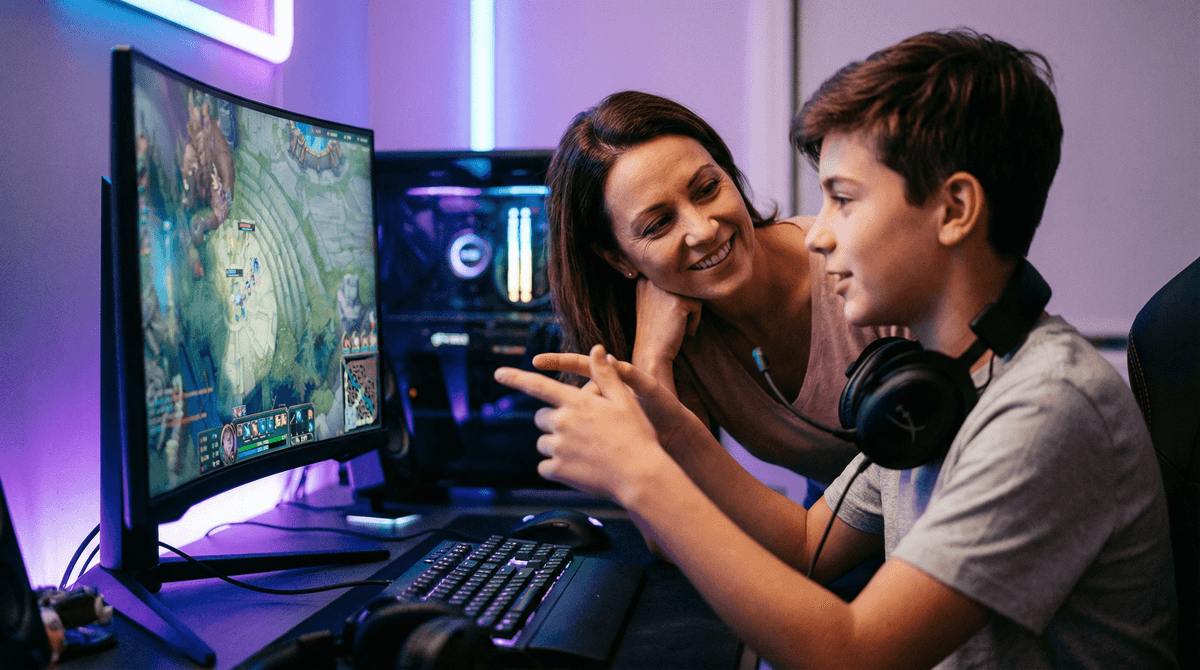
If your kid played travel baseball, you’d be at the games, you’d know the rules, and you’d make sure they did their homework before practice. Do the same here. Ask them to explain the "meta" (the current winning strategy) in Overwatch 2. Watch a tournament together on Twitch.
2. Set "Training Hours"
Instead of "screen time limits," talk about "practice blocks." A pro doesn't just play mindlessly; they do "VOD reviews" (watching their own gameplay to find mistakes). Encourage your kid to record their matches and analyze them. It moves the needle from "passive consumption" to "active learning."
3. Focus on the "Adjacent" Skills
Most kids won't become the next pro, but they might become amazing video editors, graphic designers, or data analysts. If they want to be a creator, encourage them to learn CapCut or Canva. If they love the strategy, look into books about game design.
- Ages 8-12: Focus on Rocket League or Minecraft (specifically competitive "Bed Wars"). Keep all communication in "party chat" with friends only to avoid the "Skibidi" level weirdness of public lobbies.
- Ages 13-15: This is the time to explore tactical games like Valorant. Start discussing the balance between gaming and academics. If grades slip, "practice" is canceled.
- Ages 16+: If they are in the top 1-2% of players (you can check their "Rank" in-game), start looking at collegiate recruiters and NACE (National Association of Collegiate Esports).
Most competitive gaming happens on Discord. It is the "locker room" of esports. While it’s great for coordination, it’s also where kids can get recruited into "teams" that might just be groups of older strangers. Read our guide on setting up Discord safely
When your kid says they want to be a pro gamer, they’re telling you they’ve found something they’re passionate about and want to be the best at. Don't shut it down with "it's just a game." Instead, bridge the gap.
By treating it with the same respect (and the same boundaries) as any other high-level hobby, you keep the lines of communication open. You might find that the "pro gamer" dream is actually a gateway to a scholarship, a career in tech, or at the very least, a really disciplined way to spend their Saturday afternoons.
- Audit the Rank: Ask your kid what their "Rank" is in their favorite game. Look up what percentile that is. It’s a great reality check for both of you.
- Check the Vibe: Sit behind them for 30 minutes while they play a competitive match. Listen to how they talk to others. Is this a healthy environment?
- Explore the "Why": Ask our chatbot for conversation starters about gaming dreams