

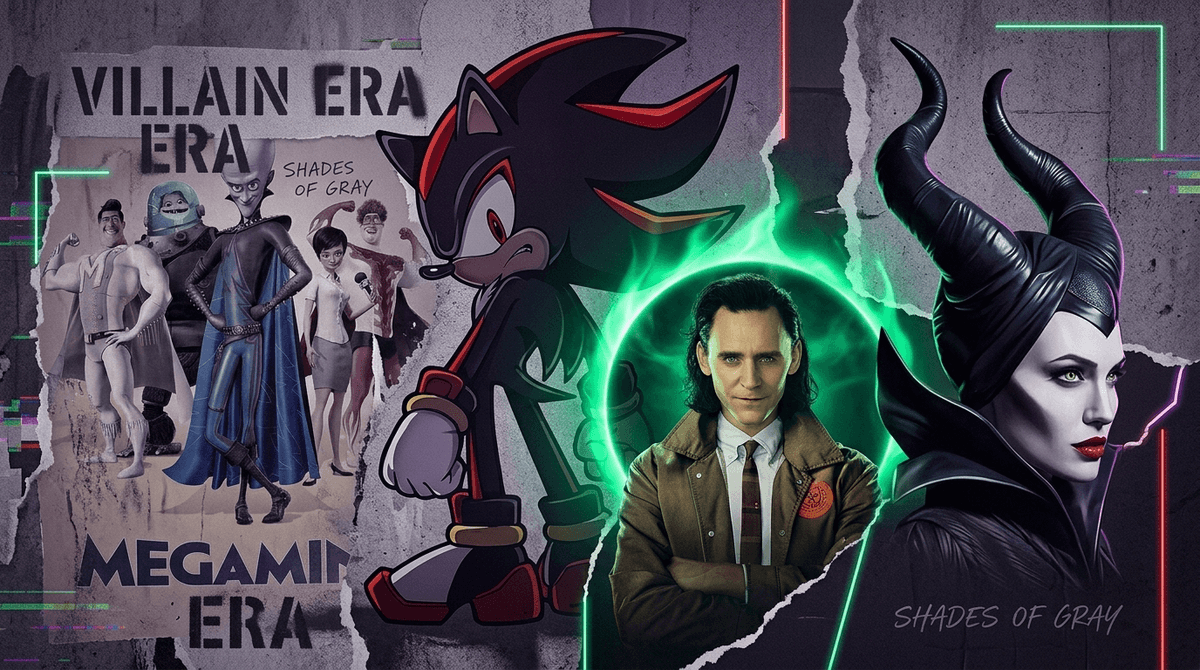
TL;DR: If your kid is suddenly obsessed with the "bad guy," don't panic. Rooting for the villain is usually a sign of growing emotional intelligence and a shift toward understanding complex, "shades of gray" morality. It’s less about them becoming a mini-sociopath and more about them finding a safe way to explore big feelings like anger, rejection, and power.
Quick Links to "Villain Era" Media:
- Shadow the Hedgehog — The ultimate "edgy" anti-hero for the elementary set.
- Loki (Disney+) — Perfect for middle schoolers exploring identity and redemption.
- Maleficent — A classic "perspective shift" movie for ages 9+.
- Despicable Me — The entry-level "villain as protagonist" film for younger kids.
You might have heard the term "Villain Era" floating around TikTok or YouTube. In the adult world, it’s a trend about setting boundaries and stopped being a people-pleaser. But for kids, the "Villain Era" is that moment when they stop identifying with the perfect, boring hero and start thinking the antagonist is actually the coolest person in the room.
We see this everywhere right now. It’s the kid who wants the Darth Vader skin in Fortnite, the one who only plays as the "Seeker" in Roblox horror games, or the one who insists that Shadow the Hedgehog is way cooler than Sonic because he’s "real."
As parents, our instinct is to worry. We spend years teaching them to share, be kind, and follow the rules, so seeing them cheer when the villain blows something up feels like a personal failure. It’s not. Here is why they’re doing it:
1. The Power Fantasy
Kids have zero power. They are told when to wake up, what to eat, and when to stop playing Minecraft. Villains, however, have all the power. They do what they want, they don't follow the rules, and they usually have the best outfits and the coolest gadgets. Rooting for a villain is often just a way for a kid to blow off steam and imagine a life where they aren't at the bottom of the household hierarchy.
2. Relatability in Rejection
Modern media has gotten really good at giving villains backstories. We aren't just dealing with "evil for the sake of evil" anymore. Characters like Loki or Maleficent are often portrayed as outsiders who were rejected or misunderstood. For a kid who felt left out at recess or got in trouble for something that felt unfair, the villain’s "the world is against me" vibe hits home.
3. Emotional Intelligence (EQ) Milestones
Cheering for the hero is easy—it’s binary thinking. Black and white. Good and bad. But around ages 8 to 12, kids start to develop the cognitive ability to handle nuance. They can see that a character might do bad things but have "good" reasons, or that the "hero" might actually be kind of annoying and self-righteous. This is a major milestone. It means your kid is starting to understand the complexities of human nature.
See why kids relate to anti-heroes
If your kid is in their villain era, don't fight it—steer it toward high-quality content that actually explores these themes well.
Shadow is the poster child for the "edgy" anti-hero. He’s brooding, he’s got a dark past, and he’s significantly more interesting than Sonic. While some of the older games tried a bit too hard to be "adult" (giving a hedgehog a gun was... a choice), the modern iteration of Shadow is a great way to talk about trauma and making the right choice even when you're angry.
- Ages: 7+
- The Vibe: High-octane, slightly "emo," but ultimately about loyalty.
This is arguably one of the best deconstructions of the hero/villain trope ever made. It’s hilarious, but it also asks a serious question: Are you "bad" just because everyone told you that was your role? It’s a fantastic movie for kids who feel like they’ve been "labeled" by teachers or peers.
- Ages: 6+
- The Vibe: Pure fun with a surprisingly deep heart.
Look, the 101 Dalmatians version of Cruella was just a lady who wanted to kill puppies—not exactly a role model. But the 2021 live-action movie turns her into a fashion-obsessed rebel fighting against an elitist system. It’s stylish and rebellious.
- Ages: 12+ (It’s a bit dark and intense).
- The Vibe: High fashion, high drama, and "burn it all down" energy.
If you have a reader in the house, Wicked (or the musical/movie) is the gold standard for "the villain was actually the hero of a different story." It challenges everything we know about the Wizard of Oz and forces the audience to look at political propaganda and systemic prejudice.
- Ages: 12+ for the book; 8+ for the musical/movie.
- The Vibe: Thought-provoking and emotionally heavy.
Ages 5-7: At this age, "villain" play is usually just about being the "monster" in a game of tag. They like the growling and the chasing. Keep it light. Movies like Despicable Me are perfect because the "villainy" is cartoonish and ends in a hug.
Ages 8-12: This is the peak "edgelord" phase. They might start liking characters who are genuinely mean or "cool" because they don't care about others. This is the time to introduce the "Anti-Hero"—characters who do the right thing but in a grumpy way. Think Batman or Wolverine.
Ages 13+: Teens use villains to explore identity. If they’re obsessed with a villain, it’s usually because that character represents a rebellion against the "perfect" life the teen feels pressured to lead.
Learn more about the 'edgelord' phase in middle school
While rooting for the villain is usually healthy, there are a few things to keep an eye on:
- The "Sigma" Pipeline: Be careful if your kid’s interest in villains starts blending with "Sigma male" or "Alpha" content on YouTube Shorts or TikTok. Sometimes, these algorithms use "cool" villains (like Patrick Bateman or the Joker) to package some pretty toxic ideas about women and society.
- Lack of Empathy: If your child is cheering for a villain specifically because they are hurting others and they find the suffering funny (rather than the power or the rebellion), it’s time for a sit-down chat about empathy.
- The "Ohio" Factor: If they’re calling every villain "Skibidi" or saying they have "negative rizz," they’re likely just deep in meme culture. It’s annoying, but it’s not a moral failing.
Instead of saying "Why do you like that guy? He’s mean," try these conversation starters:
- "What do you think made them so angry in the first place?"
- "If the hero had been nicer to them at the start, do you think they’d still be a villain?"
- "I noticed you’re playing as the villain in Roblox. Is it more fun to be the one chasing or the one being chased?"
- "Do you think this character is actually 'evil,' or are they just making really bad choices because they're hurt?"
Your kid rooting for the villain isn't a sign that you're raising a future supervillain. It’s a sign that they are growing up. They are starting to see that the world isn't just "Team Good" vs. "Team Bad," but a messy place where people have complicated motivations.
Lean into it. Watch the "villain" origin story movie with them. Ask them why they think the antagonist is right. You might be surprised by the level of insight they have.
Next Steps:
- Check out our guide to the best anti-hero movies for families
- Learn how to spot toxic 'Sigma' content in your kid's feed
- Take the Screenwise Survey to see how your kid's media diet compares to other families in your community.