

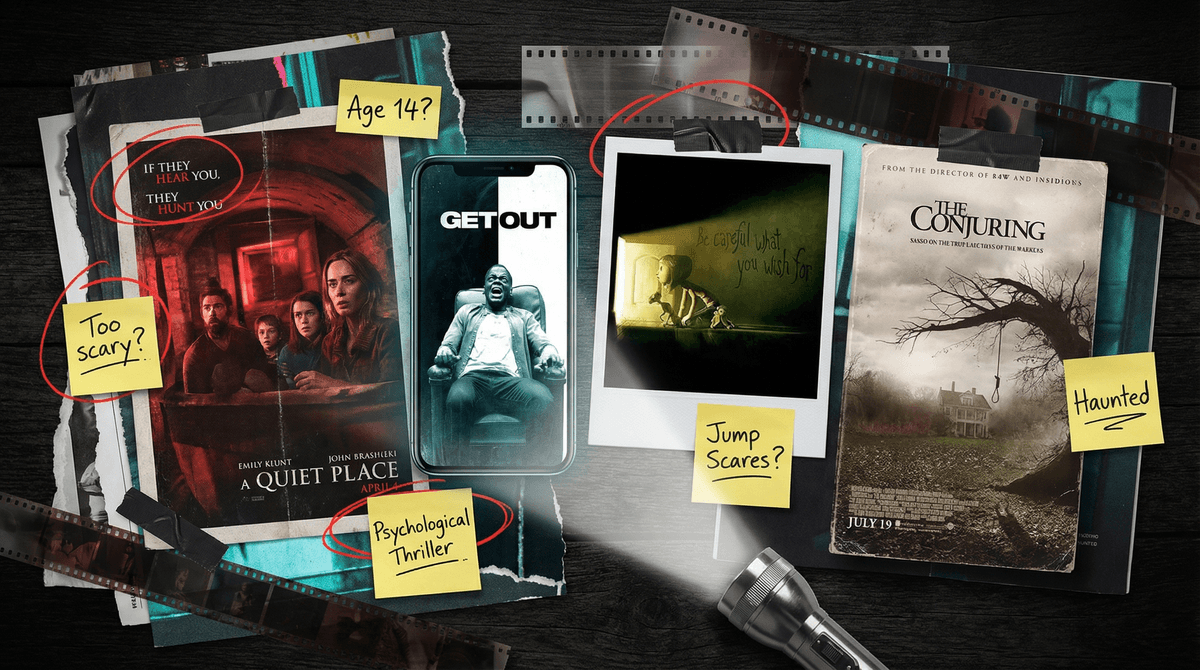
Look, there's no magic birthday when your kid suddenly becomes "ready" for horror. Some 13-year-olds can handle A Quiet Place without blinking, while others (and plenty of adults, honestly) are still recovering from that one Are You Afraid of the Dark? episode from 1994.
The real question isn't "when can my teen watch horror?" It's "is my teen ready for this specific horror content?" Because here's the thing: horror is not a monolith. The psychological dread of Get Out is wildly different from the jump-scare fest of The Conjuring, which is completely different from the gore-heavy Terrifier (which, for the record, most teens absolutely should not watch, full stop).
Before we dive into readiness, let's acknowledge why horror is so appealing to this age group. Teens are:
Testing boundaries - Horror lets them explore fear in a controlled environment. It's like a training ground for processing uncomfortable emotions without real-world consequences.
Seeking social currency - Being able to say "I watched that movie" is major street cred in middle and high school. The kid who can handle the scariest stuff often gets a certain respect (whether we like it or not).
Craving adrenaline - Teen brains are literally wired to seek novel, intense experiences. Horror delivers that dopamine hit in a way that Bluey just... doesn't anymore.
Processing real-world anxiety - Sometimes fictional monsters are easier to confront than the actual scary stuff happening in their lives or the news. Horror can be weirdly therapeutic.
The MPAA ratings system gives us PG-13 and R as guidelines, but let's be real: these are incredibly blunt instruments. Jaws is PG and absolutely traumatized an entire generation. Meanwhile, some R-rated horror is more about atmosphere than actual scares.
Here's what the ratings generally mean for horror:
PG-13 horror (ages 13+): Think A Quiet Place, The Ring, or Insidious. Tension, jump scares, some disturbing images, but limited gore and violence. This is often where teens start.
R-rated horror (ages 17+, but realistically...): Everything from psychological thrillers like Hereditary to slashers like Scream to torture porn like Saw. The range here is MASSIVE, which is why the rating alone tells you almost nothing.
Unrated/extreme horror: Just because it's on a streaming platform doesn't mean it's appropriate. Some indie horror makes R-rated stuff look like Sesame Street.
Instead of focusing on age, consider these factors:
Anxiety and Sleep Patterns
Does your teen already struggle with anxiety or nightmares? Horror might amplify those issues. Some kids can compartmentalize fiction easily; others will be checking under their bed for weeks. You know your kid.
Previous Media Experience
Have they watched any scary content before? How did they handle it? A teen who loved Stranger Things might be ready for more, but start with PG-13 horror before jumping to R.
Ability to Distinguish Fiction from Reality
This sounds obvious, but it matters. Most teens get it, but if your kid is still working through this concept, hold off.
Sensitivity to Specific Content
Some kids are fine with supernatural horror but can't handle realistic violence. Others are the opposite. Check out guides to specific horror movies to understand what type of scares you're dealing with.
Peer Pressure vs. Genuine Interest
Are they asking because they actually want to watch, or because "everyone else has seen it"? The latter is a recipe for a bad experience.
Here's a practical approach:
Start with "horror lite" - PG-13 thrillers with supernatural elements: A Quiet Place, The Sixth Sense, Coraline (yes, it's animated; yes, it's genuinely creepy).
Preview the content yourself - I know, I know. But you need to know what you're greenlighting. Use Common Sense Media or See specific content concerns for detailed breakdowns.
Watch together first - This lets you gauge their reaction in real-time and talk through scary moments. It also gives them an out if it's too much.
Have the conversation - Before watching, discuss: "This is fiction. It's designed to scare you. If it's too much, we turn it off, no judgment." And mean it.
Check in afterward - How are they feeling? Any nightmares? Still thinking about certain scenes? This is valuable data for next time.
Some horror content is just a hard pass for teens, regardless of maturity:
- Extreme gore/torture - Films like Hostel, Terrifier, or Human Centipede. These aren't about storytelling; they're about shock value. There's no developmental benefit here.
- Sexual violence - Many horror films include assault scenes. Your teen doesn't need this content.
- Realistic violence against children - Some lines shouldn't be crossed.
Trust your gut. If something feels wrong for your family, it probably is.
Quick sidebar: horror video games like Five Nights at Freddy's or Resident Evil can be MORE intense than movies because of the interactive element. You're not just watching scary things happen; you're making them happen. Factor this in. Learn more about age-appropriate horror games.
Most teens can start experimenting with PG-13 horror around 13-14, with R-rated content potentially appropriate for older teens (16+) depending on the specific film and the individual kid. But these are guidelines, not rules.
The best approach? Start conservative, watch together, communicate openly, and adjust based on how your specific teen responds. Horror fandom can be a legitimate interest—it's a massive genre with artistic merit, cultural significance, and a passionate community. The goal isn't to shelter teens from all scary content forever; it's to introduce it thoughtfully at a pace that works for them.
And if they end up sleeping with the lights on for a week? That's valuable information for next time. We've all been there.