

LGBTQ+ representation in TV shows has gone from "very special episode" territory to just... regular TV. Which is great! But it also means parents are navigating a landscape where their 7-year-old might casually mention that two characters on their favorite show have two dads, or their tween is watching a show where a character comes out as non-binary.
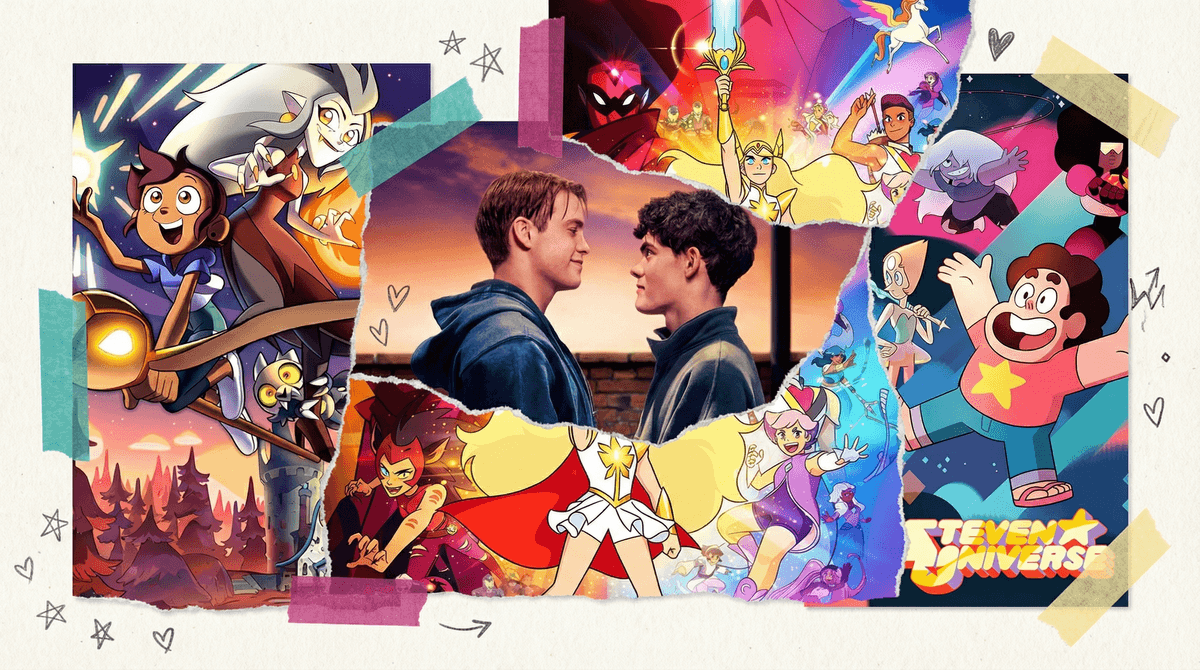
The reality is: LGBTQ+ characters exist across nearly every streaming platform and cable network now, from preschool shows to teen dramas. We're talking everything from The Owl House (a Disney animated series with a bisexual protagonist) to Heartstopper (Netflix's heartwarming gay romance) to Steven Universe (groundbreaking for its non-binary representation).
This isn't about whether your family should watch these shows. It's about understanding what's out there, what your kids are seeing, and how to have conversations that align with your family's values while also preparing kids for the actual world they live in.
Here's the thing: your kids are going to encounter LGBTQ+ people and stories whether you plan for it or not. They're in their schools, their friend groups, their YouTube feeds, and yes, their TV shows. The question isn't whether they'll be exposed to these stories—it's whether you'll be part of the conversation about them.
For many families, TV shows with LGBTQ+ characters provide a low-stakes way to introduce concepts of different family structures, identities, and relationships. For others, these shows create tension between what kids see on screen and what families teach at home.
And look—representation matters for LGBTQ+ kids themselves. Studies consistently show that seeing yourself reflected in media contributes to better mental health outcomes and sense of belonging. For kids who are questioning their identity or orientation, seeing characters like them can be literally life-saving.
But even for kids who aren't LGBTQ+, these shows teach empathy, expose them to different perspectives, and normalize diversity in a way that abstract conversations often can't.
LGBTQ+ representation varies wildly by age group and show type:
Preschool/Early Elementary (Ages 3-7): Shows at this level typically feature background representation—like two moms dropping off a character at school, or a character mentioning their dads. Think Arthur (Mr. Ratburn's wedding), Daniel Tiger's Neighborhood (a friend with two moms), or Blues Clues (Pride parade episode). It's presented as matter-of-fact, the same way they'd show any other family structure.
Middle Elementary (Ages 8-11): At this age, shows might have supporting characters who are LGBTQ+, or storylines about accepting differences. The Loud House has multiple LGBTQ+ characters including one of the main character's dads. Craig of the Creek features various LGBTQ+ characters in its diverse cast.
Tweens/Teens (Ages 12+): This is where you get full storylines about coming out, first relationships, identity exploration, and dating. Heartstopper is the gold standard here—sweet, age-appropriate, but dealing directly with gay teens falling in love. She-Ra and the Princesses of Power builds to a central lesbian romance. The Owl House features a bisexual protagonist whose relationship with another girl is central to the plot.
Important distinction: There's a huge difference between a show that happens to include LGBTQ+ characters and a show that's explicitly about LGBTQ+ experiences. Modern Family features a married gay couple, but the show isn't about being gay—it's about family dynamics. Meanwhile, Heartstopper is specifically about the experience of being a gay teen navigating first love and coming out.
Ages 3-7: At this age, kids take representation at face value. If a character has two moms, that's just their family—same as having divorced parents or being raised by grandparents. The representation is typically incidental and requires minimal explanation. If your kid asks about it, simple and honest is best: "Yes, some families have two moms or two dads. Families come in all different types."
Ages 8-11: Kids this age are starting to understand romantic relationships and may have questions about why some characters are different from what they see in their own lives. Shows like The Loud House or Steven Universe handle this well—representation is present but not the entire focus. This is a good age to establish that people love who they love, and that's okay.
Ages 12+: Teens are navigating their own identities and relationships. Shows like Heartstopper, The Owl House, or Sex Education (which is more mature) can provide windows into experiences they or their friends might be having. At this age, watching together and having conversations is more important than blanket restrictions.
The "exposure = influence" myth: Some parents worry that seeing LGBTQ+ characters will "make their kids gay" or "confuse them." This isn't how sexual orientation or gender identity works. Decades of research show that media representation doesn't change someone's fundamental identity—it just helps people understand and accept who they already are.
Content ratings aren't about LGBTQ+ content: A show isn't rated TV-PG or TV-14 because it has LGBTQ+ characters—it's rated for the same reasons any show is: violence, language, sexual content, mature themes. Heartstopper is TV-14 not because it's about gay teens, but because it deals with mental health, bullying, and teen relationships. Meanwhile, Arthur's wedding episode is rated TV-Y.
The "very special episode" problem: Older shows tended to make LGBTQ+ content into a Big Deal—a dramatic coming out episode, a controversial storyline, tears and hugs and life lessons. Modern shows increasingly just... include LGBTQ+ characters as part of the cast. This normalization is actually healthier representation, but it also means you might not get a warning that "this episode deals with LGBTQ+ themes"—because it doesn't. It just has LGBTQ+ people existing.
Religious/cultural considerations: Look, this is where it gets personal. Some families have religious or cultural beliefs that conflict with LGBTQ+ identities. That's a family decision. But here's what you need to know: your kids will encounter LGBTQ+ people and content in the real world. The question is whether you want to be part of teaching them how to navigate that with kindness and respect, even if your beliefs differ. You can teach your family's values while also teaching basic human decency.
Your kid might be LGBTQ+: Statistically, about 1 in 6 Gen Z adults identifies as LGBTQ+, with even higher numbers among younger cohorts. If your child is LGBTQ+, seeing positive representation can be crucial for their mental health and self-acceptance. If they're not, it teaches empathy and prepares them to be good friends and allies.
If your younger kid asks questions: Keep it simple and age-appropriate. "Some people have a mom and a dad, some have two moms, some have two dads, some have one parent, some live with grandparents. All families are different, and that's okay."
If your tween seems interested in these shows: Watch with them when possible. Ask what they like about the show, what they think about the characters. Use it as an opportunity to understand what they're processing and thinking about.
If your teen is seeking out LGBTQ+ content: This might be because they're questioning their own identity, they have LGBTQ+ friends, or they just like the shows. Either way, keeping communication open is more important than restricting access. Teens who feel they can't talk to parents about these topics will just consume the content secretly and won't have adult guidance when they need it.
If the content conflicts with your values: You can say "Our family believes X, but we also believe in treating everyone with respect and kindness. You're going to meet people who are different from us, and that's okay." You can teach your values without teaching intolerance.
LGBTQ+ representation in TV shows is now mainstream across all age groups and platforms. It's not going away, and your kids will encounter it whether you plan for it or not.
The best approach? Be informed about what your kids are watching, keep communication open, and use these shows as opportunities for age-appropriate conversations about diversity, respect, and your family's values.
You don't have to agree with every message in every show. But you do need to prepare your kids for a world where LGBTQ+ people exist and deserve to be treated with basic human decency—and where your own kid might be one of them.
Want to find age-appropriate shows? Check out this guide to LGBTQ+ friendly kids shows for specific recommendations by age group.
Wondering how to have these conversations? See how to talk to kids about LGBTQ+ representation about age-appropriate language and approaches for your specific family situation.
Concerned about a specific show? Look it up on Screenwise to see our WISE score, parent reviews, and detailed content breakdowns so you can make informed decisions.