

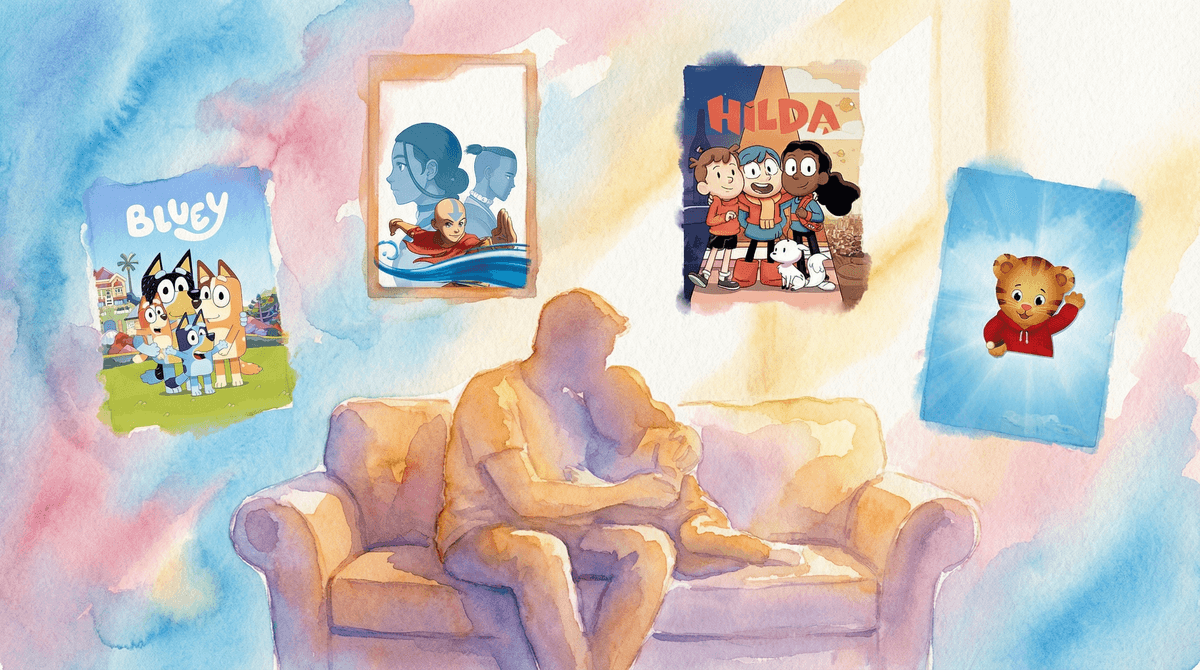
Look, we all know screen time can feel like a necessary evil. But here's the thing: not all TV is created equal. Some shows are basically visual sugar—bright, loud, and leaving your kid wired and whiny. But others? They're genuinely teaching emotional intelligence, perspective-taking, and empathy in ways that stick.
Empathy-building TV shows help kids understand that other people have feelings, experiences, and perspectives different from their own. These shows model emotional awareness, conflict resolution, and compassion. They make kids think "oh, that's why they acted that way" or "I wonder how that made them feel."
The best part? You're not adding another thing to your parenting to-do list. You're just being more intentional about what's already happening in your living room.
We're raising kids in a world where they can curate their entire experience—algorithms show them more of what they already like, friend groups can be echo chambers, and it's entirely possible to go days without encountering a perspective that challenges their own.
Empathy isn't automatic. It's a skill that develops through exposure to different experiences, emotions, and viewpoints. And honestly? TV can be a surprisingly effective teacher here.
Research shows that narrative storytelling—whether through books or screens—activates the same parts of our brain as real social interaction. When kids watch characters navigate complex emotions, their brains are essentially practicing empathy in a low-stakes environment. They're learning to read facial expressions, understand consequences, and consider multiple perspectives.
Plus, TV gives you natural conversation starters. "Why do you think she did that?" or "How would you feel if that happened to you?" These aren't forced life lessons—they're just talking about the show.
Not every show with a moral at the end qualifies. Here's what to look for:
Complex characters with real emotions. Not cardboard cutouts who are all good or all bad, but characters who make mistakes, feel conflicted, and grow.
Diverse perspectives and experiences. Shows that expose kids to different cultures, family structures, abilities, and ways of being in the world.
Emotional literacy. Characters who name their feelings, talk about them, and work through them (not just explode and move on).
Real consequences and reconciliation. When someone messes up, there's genuine repair work—apologies, making amends, changed behavior.
Space for reflection. Not everything is explained or resolved in 30 seconds. The best shows let moments breathe.
Ages 3-6
Daniel Tiger's Neighborhood is the gold standard here. It's explicitly designed to teach emotional regulation and empathy. Yes, those songs will get stuck in your head. Yes, they actually work.
Bluey is brilliant at showing family dynamics, disappointment, and emotional complexity without being preachy. Plus, it's genuinely enjoyable for adults, which matters when you're watching for the 47th time.
Sesame Street has been doing this work for decades. The newer episodes tackle everything from divorce to incarceration to autism with age-appropriate care.
Ages 7-10
Avatar: The Last Airbender (the animated series, not the movie which is simply unwatchable) is a masterclass in character development, moral complexity, and understanding enemies as humans with their own pain.
Anne with an E tackles trauma, belonging, prejudice, and identity with surprising depth. Fair warning: it's heavier than the books, but in ways that spark real conversations.
Hilda is a beautiful, gentle show about a girl navigating a magical world. It's all about curiosity, friendship, and seeing the humanity (or creature-ity?) in everyone.
Ages 11+
Heartstopper is sweet, affirming, and shows healthy relationships, coming out, and mental health struggles with remarkable care. It's also just really lovely to watch.
The Baby-Sitters Club (the Netflix reboot) modernizes the classic books with diverse casting and storylines about diabetes, transracial adoption, divorce, and more—all through the lens of middle school friendship.
Everything Sucks! is a 90s-set coming-of-age story that deals with sexuality, identity, and the messy reality of high school with humor and heart.
Co-watch when you can. I know, I know—the whole point of TV is sometimes that you get to make dinner in peace. But even occasional co-viewing gives you insight into what your kid is absorbing and creates those natural conversation moments.
Pause and discuss. "Wait, why do you think he's upset?" or "What would you do in that situation?" You don't need to turn it into a lesson plan, just engage.
Connect to real life. "Remember when you felt left out like that character?" or "That reminds me of what happened with your friend last week."
Let them rewatch. Kids process differently on repeat viewings. What seems like mindless repetition is often deeper understanding.
Follow their interests. If they're obsessed with a show that has empathy-building elements, lean into it. Better to watch Steven Universe for the 50th time than introduce something "better" that they won't engage with.
Perfect TV doesn't exist. Even the best shows have episodes that miss the mark or moments that make you cringe. But if you're going to have screens in your home anyway—and let's be real, you are—you might as well be strategic about it.
Empathy-building TV isn't about replacing real-world interaction. It's about supplementing it, expanding your kid's world beyond their immediate experience, and giving them language and frameworks for understanding emotions.
The goal isn't to only watch "educational" content. It's to balance the brain candy with shows that actually build emotional intelligence. Your kid can watch Bluey and also some mindless YouTube. They can love Avatar and also play Roblox for hours.
You're not trying to optimize childhood. You're just trying to make intentional choices where you can.
Start with one show. Pick something age-appropriate from the list above and watch the first episode together. See what resonates.
Check out alternatives to mindless YouTube if you're trying to shift away from algorithm-driven content.
Use the Screenwise list maker if you need help finding shows that match your kid's specific interests or your family's values. Find shows similar to your kid's current favorites that also build empathy.
And remember: you're doing great. The fact that you're even reading this means you're thinking critically about your kid's media diet, which puts you ahead of the game.