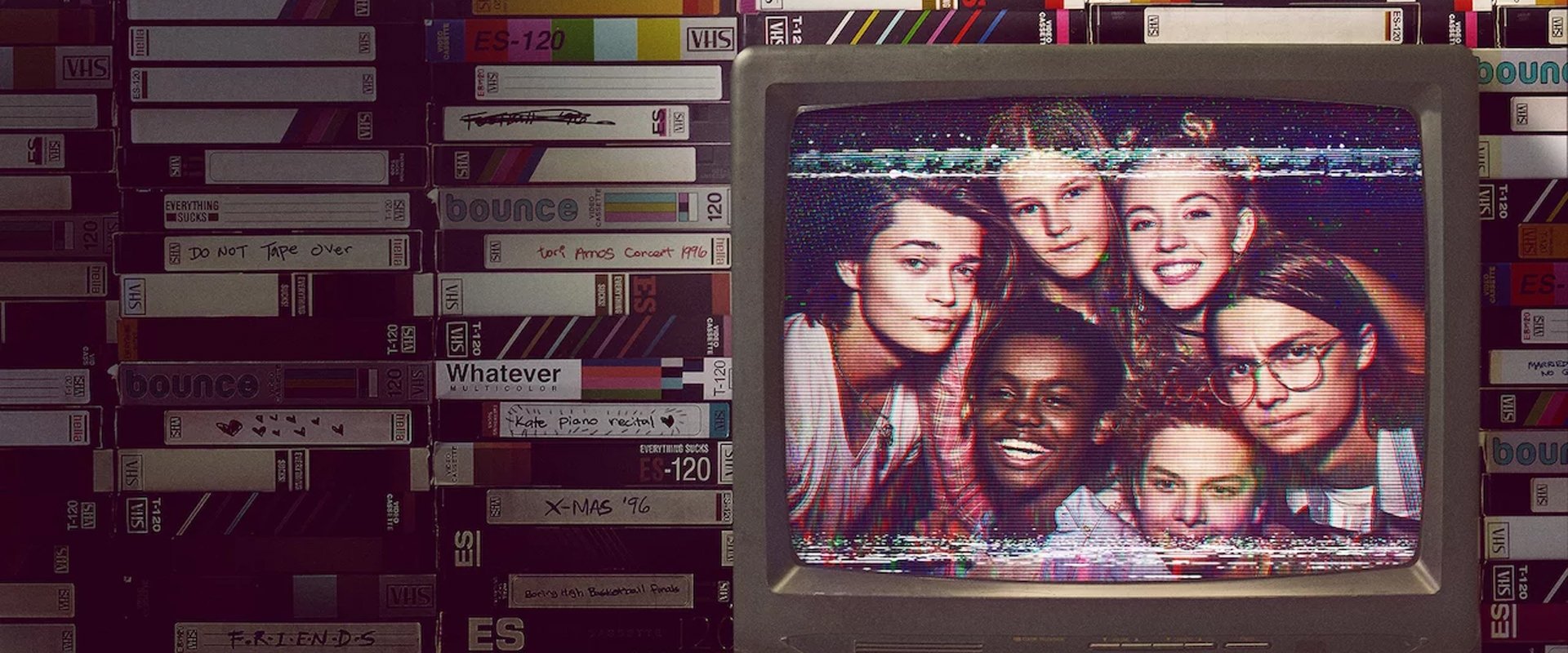
If your teen is tired of the hyper-polished, high-glamour drama found in most modern streaming hits, Everything Sucks! is a refreshing palate cleanser. It is set in Boring, Oregon, and it lives up to the name in the best way possible. This isn't the 90s of Friends or Clueless; it is the 90s of dial-up noises, oversized flannels, and the agonizing wait for a VHS tape to rewind. It is a low-fi coming-of-age story that values sincerity over shock value.
The anti-Euphoria
Most teen shows today feel like they were written by people who have forgotten what being fifteen actually feels like. They trade in high-stakes crime, designer outfits, and parties that look like music videos. Everything Sucks! goes the other way. It captures the specific, low-stakes misery of being a nerd in a small town where nothing ever happens.
The conflict isn't about life-or-death secrets. It’s about the A/V club trying to make a movie with the drama club. While it deals with the usual high school hierarchies, it is actually one of those TV shows with multiple perspectives to teach kids empathy because it forces the "popular" kids and the outsiders to actually look at each other. The characters are messy, their skin isn't perfect, and their clothes don't always fit. It feels authentic in a way that’s rare for the genre.
Why the "mature" stuff matters
You’ll see warnings about porn magazines and sexual references. In a modern context, where every kid has a smartphone, the way the show handles this feels almost quaint. The "porn mags" are used to illustrate the pre-internet struggle for information and the awkward, stumbling curiosity of puberty. It is played for uncomfortable laughs rather than being graphic.
The show also features a very grounded B-plot involving the single parents of the two main characters. If you are looking for drama series for teens that parents will love too, this is a strong contender because the adults aren't just background noise or obstacles. They are navigating their own loneliness and second chances, which adds a layer of warmth that keeps the show from feeling like "just for kids."
The Kate factor
The real reason to watch this is Kate’s storyline. Her realization that she is gay is handled with incredible care. It isn't a "very special episode" moment; it’s a slow, quiet realization that happens while she's listening to Tori Amos or staring at her reflection. For a show that leans heavily into 90s tropes, this part of the narrative feels timeless.
Critics gave it a solid 72% on Rotten Tomatoes, but the 91% audience score tells the real story. People didn't just watch this show; they protected it. Even though Netflix cut it short after one season, the ten episodes we have are a perfect time capsule. You will be annoyed when it ends on a cliffhanger, but the journey through Boring, Oregon, is worth the frustration.