

The Ultimate Parent's Guide to The Hunger Games Movies
TL;DR: The Hunger Games movies are intense dystopian thrillers where teens fight to the death in a televised arena. They're rated PG-13 but push that boundary hard with violence, trauma, and heavy themes about war, propaganda, and oppression. Most appropriate for ages 13+, though mature 11-12 year olds who've read the books might handle them. The violence is less graphic than you'd think, but the psychological weight is real.
Based on Suzanne Collins' wildly popular book trilogy, The Hunger Games movies follow Katniss Everdeen (Jennifer Lawrence) in a dystopian future where the totalitarian Capitol forces children from 12 districts to compete in a televised death match as punishment for a past rebellion. It's basically Battle Royale meets reality TV meets revolution.
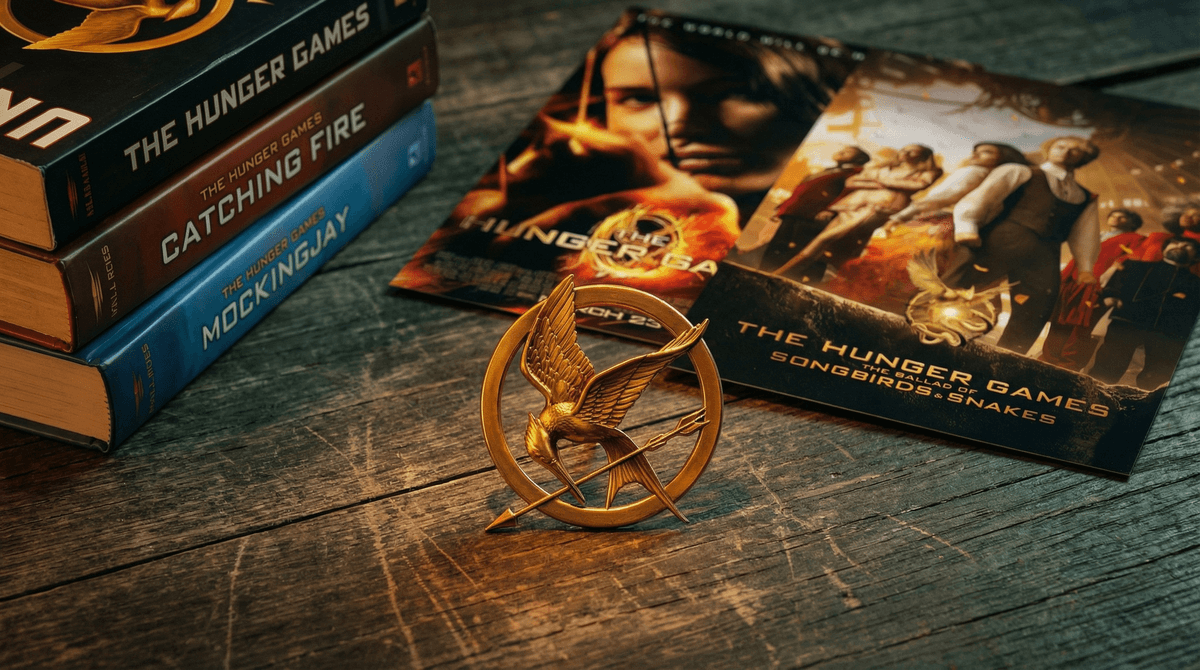
The franchise includes four films:
- The Hunger Games (2012)
- Catching Fire (2013)
- Mockingjay Part 1 (2014)
- Mockingjay Part 2 (2015)
Plus a 2023 prequel, The Ballad of Songbirds and Snakes, which explores the origin story of the series' villain, President Snow.
If your tween or teen is asking about these movies, it's probably because:
The books are everywhere in middle school. The Hunger Games trilogy is assigned reading in many schools and dominates recommended lists for ages 12+. Kids who loved the books naturally want to see the adaptation.
It's a cultural touchstone. The three-finger salute, "May the odds be ever in your favor," the Mockingjay symbol—these are part of Gen Z's cultural vocabulary. Not knowing Hunger Games references is like not knowing Harry Potter references was for millennials.
Strong female protagonist. Katniss is a complex, flawed, capable hero who doesn't need romance to drive her story. She's a skilled archer, a protector, and deeply human in her struggles.
It tackles real themes. Unlike a lot of teen content, these movies don't talk down to their audience. They explore propaganda, media manipulation, war trauma, class inequality, and the cost of revolution—topics that resonate with politically aware teens.
Here's what you actually need to know about the violence, because this is probably your main concern:
Yes, children kill other children. That's the premise. Twenty-four kids enter the arena, one comes out. The first movie shows kids dying from various causes: tracker jacker stings, neck snapping, spears, arrows. Most deaths happen quickly or off-screen, but some are emotional gut-punches.
The camera work is strategic. Director Gary Ross used shaky cam and quick cuts to obscure the most graphic moments. You know what's happening, but you're not watching it in detail. Later films use similar techniques.
It's less gory than many PG-13 action movies. There's minimal blood. No lingering shots of injuries. The violence is impactful but not gratuitous. Compare it to something like The Dark Knight—similar intensity, different context.
The psychological violence is heavier than the physical. The real trauma comes from watching kids forced into impossible situations, the manipulation of Katniss's emotions for TV, the PTSD that follows, and the escalating war in later films. This isn't fun action-movie violence—it's meant to be disturbing.
Later movies get darker. Mockingjay Part 1 and 2 shift from arena combat to full-scale war. There are bombings, executions, civilian casualties, and torture implications. The violence becomes more realistic and less "game-like."
Ages 13+: The target audience. Most teens can handle the content and engage with the themes meaningfully.
Ages 11-12: Depends entirely on your kid. If they've read and processed the books, they might be ready. If they're sensitive to violence or get nightmares easily, wait. The books give you a preview of their readiness—if they handled those, they can probably handle the movies.
Ages 10 and under: Nope. Even if they're mature for their age, the sustained tension and child-death premise is too much. There are better dystopian options for younger kids, like The Giver (though honestly, that's also pretty heavy).
The prequel is slightly different. The Ballad of Songbirds and Snakes has similar violence but less emotional attachment to characters dying, since we don't know them as well. It's arguably easier to watch, but the themes about fascism and manipulation are even more pronounced.
This isn't escapist entertainment. These movies are designed to make you uncomfortable. They're anti-war, anti-authoritarian, and explicitly critical of media exploitation. If your kid watches and feels disturbed, that's the point. The question is whether they're old enough to process that discomfort productively.
Katniss is traumatized, and it shows. One of the most powerful aspects of the series is that Katniss doesn't bounce back. She has panic attacks, nightmares, and emotional breakdowns. For teens dealing with their own mental health, this can be validating. For some, it might be triggering.
The romance is secondary. Yes, there's a love triangle between Katniss, Peeta, and Gale, but it's not the driving force. The movies actually downplay it compared to the books. This isn't Twilight.
Political themes are front and center. Wealth inequality, media propaganda, the cost of rebellion, the ethics of violence—these aren't subtle. The movies will likely spark conversations about real-world parallels, which is great if you're ready for those discussions.
Representation matters here. Rue's death in the first film is one of the most emotionally devastating moments, and it's explicitly about a Black child being killed for entertainment. The movies don't shy away from this.
If you decide your kid is ready, here's how to make it a better experience:
Watch together, at least the first time. Gauge their reactions in real-time. Pause if needed. Having you there to process makes a huge difference.
Read the books first. Seriously, this helps so much. The books give context that the movies rush through, and kids who've read them know what's coming, which reduces shock value.
Talk about the themes, not just the violence. Ask questions like: "Why does the Capitol force kids to fight?" "How does the media change how people see Katniss?" "What would you do in her situation?" These conversations are where the real value lives.
Acknowledge the discomfort. If your kid says "that was really sad" or "I feel weird," validate that. Don't minimize it with "it's just a movie." These stories are supposed to make us feel something.
Skip ahead if needed. If you're watching with a younger/more sensitive kid, you can fast-forward through the most intense arena deaths. You'll lose some plot, but the core story survives.
If your kid wants dystopian content but isn't ready for Hunger Games:
- The Giver (book or movie): Gentler dystopia for ages 10+
- Divergent: Similar vibes, less child death, ages 12+
- The Maze Runner: Teen dystopia with more action, less emotional weight, ages 12+
- A Wrinkle in Time: Sci-fi adventure with good vs. evil themes, ages 8+
Or explore dystopian books for middle schoolers for more options.
The Hunger Games movies are legitimately good filmmaking with important themes. They're not gratuitously violent, but they are intense and emotionally heavy. The PG-13 rating is accurate but pushes the upper limits.
Watch if: Your kid is 13+, or a mature 11-12 who's read the books and you're willing to watch together.
Wait if: Your kid is sensitive to violence, gets nightmares easily, or hasn't shown interest in processing heavier themes.
Skip if: Your kid is under 10, or you're not ready to have conversations about war, propaganda, and trauma.
The best part? If your kid watches and connects with these movies, you've got built-in conversation starters about media literacy, ethics, and social justice. And honestly, in 2026, those conversations are worth having.
Want to dig deeper into whether your specific kid is ready? See if your kid is ready for age-appropriate dystopian content or explore more movies like The Hunger Games.