

The Ultimate Guide to Gen Z Emojis: What Your Kid's Texts Really Mean
You send a thumbs up 👍. Your kid responds with three skull emojis 💀💀💀. Are they... okay? Should you be worried? Welcome to the wonderful world of Gen Z emoji language, where nothing means what you think it means and the thumbs up is apparently passive-aggressive now.
Let's decode this digital hieroglyphic situation so you can actually understand what your kids are saying to you (and their friends).
Gen Z has essentially created their own emoji dialect, and it's evolved way beyond the literal meanings we millennials and Gen X folks grew up with. It's not that they're trying to be confusing (okay, maybe sometimes they are), but emoji meanings have shifted through memes, TikTok trends, and the general chaos of internet culture.
The result? A 💀 doesn't mean death. A 🧢 isn't about fashion. And if your kid sends you 🤡, you might want to reflect on what you just said.
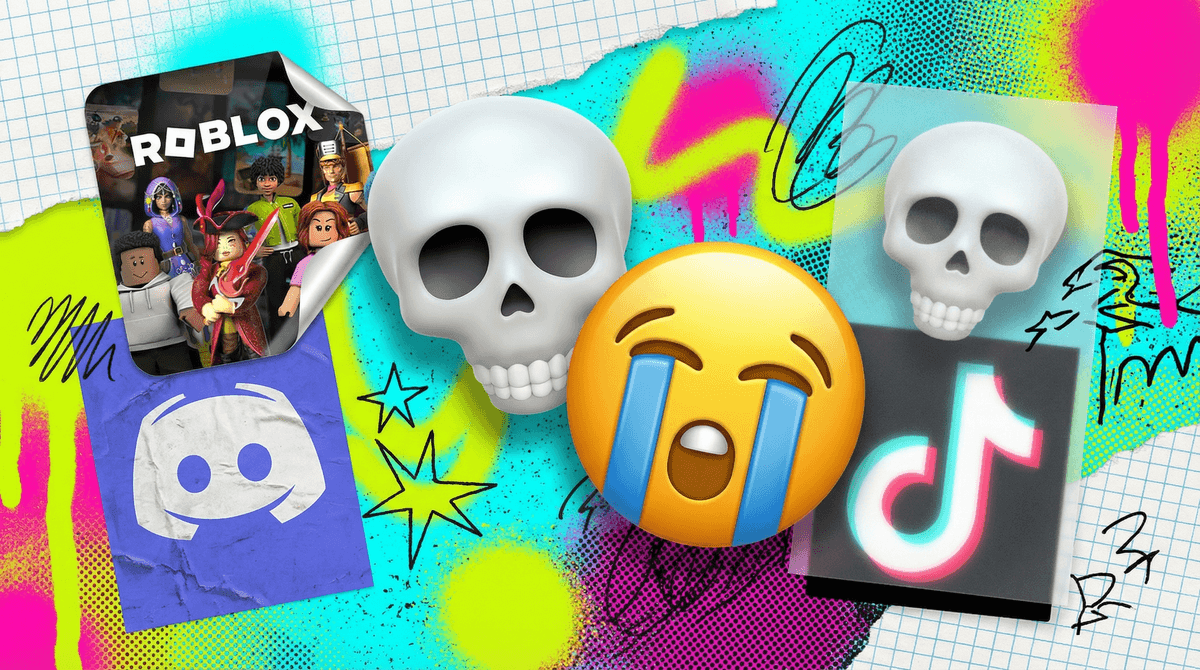
💀 Skull = "I'm dead" = "This is hilarious"
This is probably the most important one to understand. When your kid sends skull emojis, they're not in danger—they're laughing so hard they've metaphorically died. "Mom just tried to do a TikTok dance 💀💀💀" is actually a compliment (sort of).
😭 Loudly Crying Face = Also laughing
Wait, what? Yes, Gen Z uses the crying emoji to express laughter more than actual sadness. Context is everything, but if it's followed by "STOP" or "NOT YOU," they're probably cackling, not sobbing.
👍 Thumbs Up = Passive-aggressive/dismissive
Sorry to break it to you, but your go-to "okay" emoji has been deemed hostile. To Gen Z, a thumbs up reads as "whatever" or "I'm annoyed but ending this conversation." Use at your own risk with anyone under 25.
🧢 Cap = Lying
"Cap" means lie, so sending the cap emoji means "that's a lie" or "you're lying." "No cap" means "no lie" or "for real." Yes, it's confusing. No, I don't make the rules.
🤡 Clown Face = "You played yourself"
If your kid sends you this, they're suggesting you just said or did something foolish. It's the emoji equivalent of "wow, embarrassing for you." Sometimes used self-deprecatingly though: "Forgot my homework again 🤡"
✨ Sparkles = Sarcasm or emphasis
Sparkles around a word add either genuine excitement OR heavy sarcasm. "So ✨productive✨ today" after a day of doing nothing is peak Gen Z communication.
💅 Nail Polish = Confidence/sass
The "I don't care what you think" emoji. Often used after a statement of self-confidence or when brushing off drama. "Already finished my project 💅"
🗿 Moai/Easter Island Head = Awkward/deadpan
This one's weird and deeply rooted in meme culture. It's used for awkward situations, deadpan reactions, or just... random chaos. Sometimes there's no deeper meaning—it's just funny to them.
🙏 Folded Hands = Please/thank you (not prayer)
While we might use this as a prayer emoji, Gen Z primarily uses it to say please or thank you. "Can you pick me up? 🙏"
👁️👄👁️ Eyes-Lips-Eyes = Stunned/speechless
This combination (not technically a single emoji) expresses shock, confusion, or "I have no words." It's the visual equivalent of jaw-dropped silence.
Beyond just understanding your kid's texts, this emoji evolution reflects something bigger about how Gen Z communicates. They've grown up in a world where:
- Irony is default - Sincerity can feel vulnerable, so layers of irony and sarcasm provide emotional protection
- Speed matters - A skull emoji conveys an entire emotional reaction instantly
- Context is shared - Their emoji use assumes you're fluent in the same internet culture
This isn't just "kids these days" stuff—it's a legitimate linguistic shift happening in real-time. And honestly? It's kind of fascinating.
Here's where it gets tricky for parents: using Gen Z emojis "wrong" is worse than not using them at all. Nothing makes a kid cringe harder than their parent trying to be cool with outdated slang or misused emojis.
Some rules of thumb:
- Don't try to adopt their emoji language in texts to them - It reads as trying too hard
- DO understand it when they use it with you - So you can actually communicate
- With their friends? Absolutely not - Stay in your lane
- Exception: If you're genuinely fluent and can pull it off naturally, go for it (but be honest with yourself here)
Decode, don't interrogate. If you're confused by an emoji, you can ask—but frame it as genuine curiosity, not a pop quiz. "Wait, are you actually upset or is that the laughing crying thing?" works better than "What does that MEAN?!"
Accept that language evolves. Remember when "cool" was new? Or when we started saying "my bad"? This is the same thing, just faster and more visual. Learn more about how digital communication is changing language .
.
Focus on the real stuff. Emoji meanings matter less than whether you're having actual conversations with your kids. If you're talking regularly and they're opening up about their lives, you're doing fine—even if you think 💀 means they're in mortal danger.
Know the warning signs. While most emoji use is harmless, there are some combinations that might signal risky behavior (drug references, sexual content). Read more about emoji warning signs parents should know.
Gen Z emoji language is confusing, constantly evolving, and sometimes deliberately opaque to outsiders (read: us). But it's also creative, efficient, and a legitimate form of expression for digital natives.
You don't need to become fluent in skull-emoji-speak to be a good parent. You just need to stay curious, keep the lines of communication open, and maybe resist the urge to thumbs-up their texts.
And hey, at least they're texting you at all, right? 💀
Want to understand more of what your kids are actually saying online? Screenwise can help you navigate everything from Roblox chat to Discord servers to the latest TikTok trends. Because raising digital natives shouldn't require a PhD in internet culture—just a willingness to stay informed without losing your mind.