

The Ultimate Guide to Concert Age Limits with a Parent
Concert age policies are a confusing mess of venue rules, artist requirements, and local laws. Most venues allow all ages with a parent/guardian, but some shows are 18+ or 21+ regardless. Always check the specific event listing before buying tickets—policies vary by show, not just venue. Bring ID for yourself and your kid, arrive early, and know that "all ages" doesn't mean "appropriate for all ages."
So your 10-year-old wants to see Olivia Rodrigo. Or your 13-year-old is begging for Taylor Swift tickets. Or maybe your teenager just discovered that their favorite band from TikTok is coming to town and suddenly you're researching whether you need to accompany them.
Concert age limits are genuinely confusing because there's no universal standard. The same venue might be all-ages for one show and 21+ for another. And even when venues say "all ages welcome," that doesn't tell you whether your 8-year-old should actually be there.
Here's what you're dealing with:
Venue policies are the baseline. Some venues are always 21+ because they're primarily bars. Others are all-ages friendly but might have different rules for different shows.
Artist/promoter requirements can override venue defaults. An artist might require their tour to be all-ages, or conversely, might want 18+ only crowds.
Local laws matter too. Some cities have curfew laws for minors at entertainment venues. Some states have specific rules about minors in spaces that serve alcohol.
The show listing is your source of truth. When you're looking at tickets on Ticketmaster, Live Nation, or the venue's website, the age policy will be listed right there. It might say:
- "All ages" (minors must be accompanied by adult 18+)
- "All ages welcome"
- "18+ only"
- "21+ only"
- "Under 16 must be accompanied by parent/guardian"
- Some variation of the above
Don't assume. A venue that was all-ages last month might be 21+ this month depending on the show.
"All ages" means the venue will admit anyone, but it comes with caveats:
Minors typically need adult accompaniment. The specific age varies—sometimes it's under 14, sometimes under 16, sometimes anyone under 18. The adult is usually required to be 18 or older (sometimes 21+), and there's often a ratio limit (one adult can't bring 10 kids).
You'll probably need ID for both of you. Venues want proof of your kid's age and proof that you're old enough to be their guardian. Birth certificates, school IDs, passports—bring something official.
"All ages" doesn't mean "appropriate for all ages." A metal concert or hip-hop show might technically allow your 7-year-old, but that doesn't mean it's a good idea. Think about:
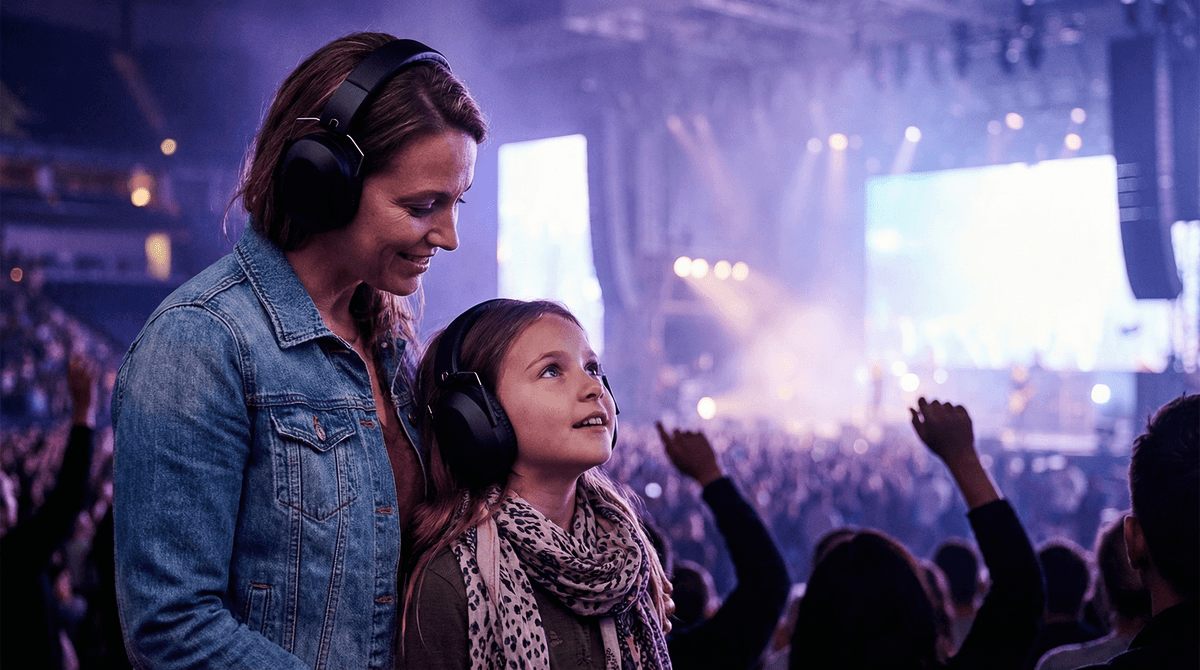
- Volume levels (concerts are LOUD—consider ear protection for younger kids)
- Crowd behavior (moshing, crowd surfing, general chaos)
- Lyrics and content (what's okay on Spotify might hit different live)
- Show length (11pm end times are rough for elementary schoolers)
- Venue environment (standing room only? Alcohol everywhere? Bathroom situation?)
Arenas and amphitheaters (think Madison Square Garden, Red Rocks) are usually all-ages friendly for big tours. These are your safest bet for younger kids—assigned seating, better facilities, more security.
General admission venues (smaller clubs, music halls) vary wildly. Some are all-ages havens, others are 21+ by default. These shows often involve standing for hours and navigating crowds.
Festivals typically allow all ages but have specific policies about supervision. Some require wristbands for minors, some have family areas, some have curfews for when minors need to leave.
Bar venues are almost always 21+ or 18+, even if there's a show happening. If the primary business is serving alcohol, expect restrictions.
If your teen is old enough to attend without you (usually 16-18 depending on the venue), you're probably wondering if you actually need to stay.
For first concerts: Yes, stay. Even if they're with friends. You don't need to hover, but be nearby. Things happen—shows run late, friends flake, phones die, venues are confusing.
For experienced concert-goers: Trust your kid and the situation. Drop-off at an arena show for a 16-year-old who's been to concerts before? Probably fine. Drop-off at a general admission punk show in a neighborhood you don't know? Maybe not.
Consider:
- Transportation logistics (how are they getting home?)
- Venue location and safety
- Who they're going with
- Their experience level
- Your comfort with the artist/crowd
- Whether they have a charged phone and emergency plan
Required items:
- IDs for everyone (parent and child)
- Tickets (digital is fine, but screenshot them in case of wifi issues)
- Cash for merch/food (many venues are card-only now, but not all)
Strongly recommended:
- Ear protection for kids under 12 (and honestly, for everyone—tinnitus is real
 )
) - Fully charged phones
- Meeting spot plan if you get separated
- Layers (venues get hot, but AC can be aggressive)
Check the venue's bag policy before you go. Most have strict rules about bag sizes, and some ban bags entirely.
Arrive early if it's your kid's first show or if you want good spots. General admission is first-come, first-served, and lines can be long.
Concert tickets are expensive, and that's before you factor in:
- Service fees (often 20-30% of ticket price)
- Parking ($20-50 at major venues)
- Merch (t-shirts start at $35-40, hoodies $60+)
- Food and drinks (venue prices are brutal)
Set expectations before you go. If you're willing to buy one piece of merch, say so upfront. If they want something, they need to bring their own money. The merch booth pressure is real, and having this conversation in advance saves everyone stress.
If you're looking for good "first concert" experiences:
Disney/Nickelodeon tours are designed for young kids—shorter shows, earlier times, family-friendly everything.
Taylor Swift, Olivia Rodrigo, Billie Eilish type arena shows are great for tweens/teens—big production, assigned seating, diverse crowd ages.
Local theater shows or smaller acoustic performances can be perfect for younger kids who want the concert experience without the intensity.
Festivals with family areas give you flexibility—you can come and go, take breaks, and usually have better facilities.
The show is at a 21+ venue but they're making an exception for this one night—probably means it's still a bar environment with minimal accommodations for younger attendees.
"All ages" show at a venue known for intense crowds—read reviews, check videos from previous shows there, know what you're walking into.
Tickets being resold with different age restrictions than the original listing—if something seems off, contact the venue directly to confirm.
Your kid will probably want to record everything. Venue policies on phones vary. Some artists don't care, some ban phones entirely (looking at you, Jack White). Check before you go, and talk about being present vs. filming.
The crowd might not be what you expect. Even at shows for artists you think are kid-friendly, you'll encounter drunk adults, explicit language, and people who don't want to be around children. It's not personal—some people go to concerts to escape, not to babysit.
Accessibility matters. If your kid has sensory issues, anxiety, or physical limitations, contact the venue in advance. Many have accommodations—quiet rooms, accessible viewing areas, expedited entry—but you need to ask.
You're not a helicopter parent for having concerns. Live music venues are adult spaces that sometimes allow children. It's reasonable to have questions and boundaries.
Concert age limits exist on a show-by-show basis, and "allowed to attend" is different from "should attend." Check the specific event listing, bring proper ID, prepare for the environment, and make decisions based on your kid's maturity and the specific show—not just the artist.
The magic of live music is real, and sharing that with your kids can be amazing. But it doesn't have to happen at 8 years old, and it doesn't have to be every show they want to see. Start with age-appropriate venues and artists, build up their experience, and remember that saying "not this one, but we'll find another" is perfectly fine parenting.
Next Steps:
- Check your local venue websites and sign up for their newsletters—you'll learn their typical policies
- Start with smaller, local shows before committing to expensive arena tickets
- Have the conversation about expectations, behavior, and safety before you're in line at the venue
- Trust your gut—if something feels off about a show, there will be other concerts