

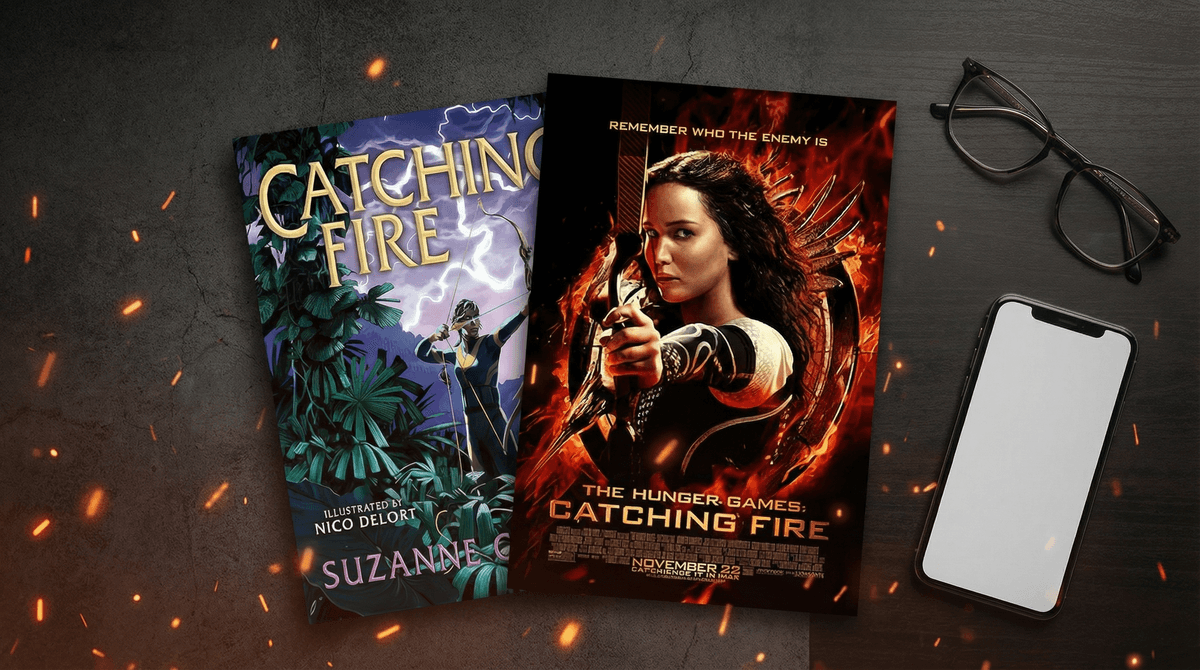
The Hunger Games: Catching Fire Age Rating & Parents Guide
TL;DR: Catching Fire is rated PG-13 and intensifies everything from the first film—more violence, darker themes, and psychological torture. Most appropriate for ages 13+, though mature 11-12 year olds who handled the first movie may be ready. The book is generally easier to handle than the film since you control the pacing. If your kid loved The Hunger Games, they're probably ready for this, but know it's heavier.
Catching Fire isn't just "more Hunger Games." It's the Empire Strikes Back of the franchise—darker, more complex, and emotionally heavier. Where the first film focused on survival, this one dives into PTSD, political oppression, and the psychological toll of trauma.
The violence is still there (it's the Hunger Games, after all), but what makes this sequel more intense is the emotional violence. Katniss has nightmares. She's being manipulated by a totalitarian government. Her loved ones are threatened. The stakes feel more real because we've already watched her kill to survive once, and now she has to do it again.
PG-13 for intense sequences of violence and action, some frightening images, thematic elements, a suggestive situation, and language.
That "intense sequences of violence" tag is doing a lot of work here. The MPAA isn't wrong—there are deaths, blood (though not gratuitous), and some genuinely disturbing moments involving torture and threats to children.
The Violence
The arena scenes include:
- Hand-to-hand combat and weapon-based kills
- Poisonous fog that causes painful blisters
- Genetically modified "jabberjays" that mimic the screams of loved ones being tortured
- A scene where tributes are electrocuted
- Blood is visible but not graphic by horror movie standards
The violence is less shocking than in the first film simply because we know what to expect. But it's still violence against and by teenagers, which remains the core concern for many parents.
The Psychological Stuff
This is where Catching Fire hits harder:
- PTSD representation: Katniss has nightmares and panic attacks
- Manipulation and gaslighting: President Snow threatens Katniss's family to control her
- Forced performance: Katniss must pretend to be in love to survive politically
- Hopelessness: The oppressive government feels inescapable
For kids who struggle with anxiety or have experienced trauma, these themes might hit close to home. For others, it's a powerful entry point for conversations about how dystopian fiction helps us understand real-world politics .
.
Romance and Relationships
The love triangle between Katniss, Peeta, and Gale continues, but it's not your typical YA romance. Katniss is forced to perform a relationship for survival, which raises interesting questions about authenticity and consent under duress. There's kissing, some mild sexual tension, and a brief scene where Katniss and Peeta are in a romantic situation (nothing explicit).
Language
Occasional mild profanity—nothing you don't hear in a middle school hallway.
Ages 10 and Under
Probably not. Even if they read the book, the visual intensity of the film is too much for most younger kids. The themes of government oppression and forced violence are complex, and the emotional weight is heavy.
Ages 11-12
Maybe, if they're mature and have context. If they:
- Read and handled The Hunger Games book well
- Watched the first movie without nightmares
- Can handle complex moral questions
- Have someone to process the themes with
Then they're probably ready. But watch it together and be prepared for questions about why governments do terrible things and whether violence is ever justified.
Ages 13+
This is the target audience. Most teens can handle the violence and engage with the political themes meaningfully. It's actually a great springboard for discussions about propaganda, media manipulation, and resistance movements.
Ages 16+
At this point, Catching Fire is pretty tame compared to what they're already consuming. The bigger question is whether they're interested in the story.
The Hunger Games: Catching Fire book by Suzanne Collins is generally easier for younger readers to handle than the film. Why?
- You control the pacing: You can pause, skip ahead, or close the book when it gets intense
- Less visual trauma: Reading about violence is different than watching it
- More internal processing: The book gives you Katniss's thoughts, which helps contextualize her decisions
That said, the book is still intense. Collins doesn't pull punches with the violence or the emotional toll.
Catching Fire is arguably the best film in the franchise—better paced, better acted, and more thematically rich than the first. It's also the moment where the story shifts from "survival game" to "political revolution," which makes it more relevant for older kids who are starting to think critically about power structures.
The PTSD representation is particularly noteworthy. Katniss doesn't just "get over" what happened in the first Games. She's haunted, struggling, and forced to relive her trauma. For teens dealing with their own mental health challenges, seeing a hero who's not okay can be validating.
If you're on the fence about whether your kid is ready:
-
Watch the first 20 minutes together: The opening scenes establish the tone and intensity. If they're uncomfortable here, they're not ready for the arena.
-
Pause for questions: Especially during the political scenes. "Why is President Snow doing this?" is a great entry point for discussions about authoritarianism.
-
Debrief afterward: Ask what they thought about Katniss's choices. Would they have done the same thing? What would they do if they lived in Panem?
-
Connect to real-world issues: Catching Fire is fiction, but the themes of propaganda, surveillance, and resistance are very real. How can dystopian stories help kids understand current events?
After watching, keep an eye out for:
- Nightmares or anxiety: If your kid is dwelling on the violence or seems more anxious than usual
- Desensitization: If they're laughing at or dismissing the violence, that's worth a conversation
- Identification with the wrong characters: If they think President Snow is cool or the Capitol looks fun, you've got some media literacy work to do
Catching Fire earns its PG-13 rating. It's intense, emotionally heavy, and deals with mature themes. But for the right kid at the right age, it's also powerful, thought-provoking, and genuinely well-made.
Trust your gut. If your 12-year-old handled Stranger Things without issue, they can probably handle this. If they're sensitive to violence or struggle with anxiety, wait a year or two.
And if you're looking for alternatives to The Hunger Games for younger kids, there are plenty of dystopian-lite options that explore similar themes without the intensity—think The Giver or Hatchet by Gary Paulsen for survival stories without the forced violence.
Next Steps: If your kid is ready for Catching Fire, they'll probably want to finish the series with Mockingjay. Fair warning: it gets even darker. But that's a conversation for after this one.