

The Best Apple TV Shows for Kids Right Now: A Parent's Guide
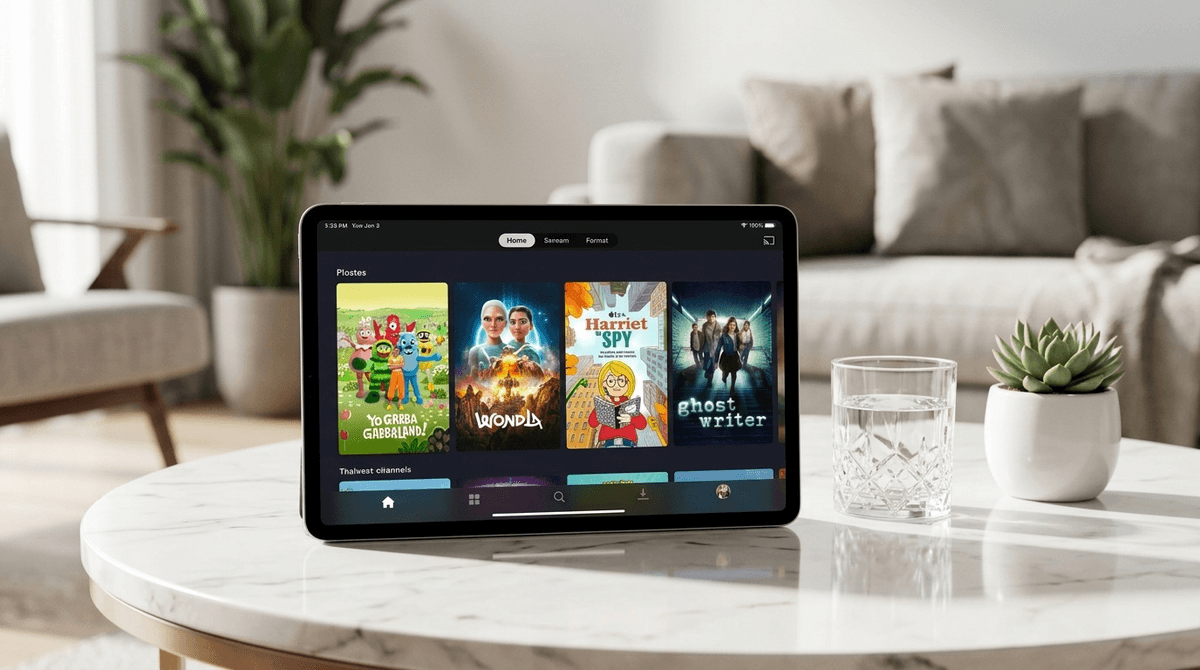
TL;DR: Apple TV+ might not have the volume of Netflix or Disney+, but it's quietly becoming the quality choice for intentional parents. Here are the standout shows worth your subscription in 2026:
- Yo Gabba GabbaLand! (Ages 2-6) - The beloved reboot that actually respects your nostalgia
- Wondla (Ages 8-12) - Epic sci-fi adventure wrapping its final season
- Sago Mini Friends (Ages 2-5) - Gentle, screen-time-guilt-free preschool content
- Harriet the Spy (Ages 7-11) - Smart adaptation of the classic book
- Ghostwriter (Ages 6-10) - Mystery-solving that actually encourages reading
Here's something interesting from our Screenwise community data: while 92% of families use TV streaming services, only about 40% have kids watching Netflix independently, and 50% watch Disney+ together as a family. Apple TV+ is carving out its own space in this landscape—it's the streaming service parents actually feel good about letting kids explore on their own.
Apple's strategy is refreshingly simple: quality over quantity. While Netflix churns out content like a factory and Disney+ leans heavily on IP nostalgia, Apple TV+ seems to actually care about what they're putting in front of kids. Their shows tend to have:
- Actual production value (these don't look cheap)
- Thoughtful pacing (not designed to hijack dopamine receptors)
- Diverse representation that feels natural, not forced
- Educational elements woven in without being preachy
The downside? There's just not that much of it. But when the average family is already clocking 4.2 hours of screen time daily (per our community data), maybe that's not such a bad thing.
Ages 2-6 | Educational/Musical
If you were a parent in the late 2000s, the original Yo Gabba Gabba was chef's kiss—weird enough to keep you engaged while your toddler was mesmerized. The reboot honors that legacy while updating for 2026.
What works: The music still slaps (seriously, some of these songs end up on my running playlist). Each episode tackles social-emotional learning without feeling like a lesson plan. The animation is vibrant without being overstimulating, and the celebrity cameos are actually fun for parents.
Real talk: This is one of the few preschool shows where I don't feel my brain cells dying when it's on. That alone makes it worth the subscription if you've got littles.
Ages 8-12 | Sci-Fi Adventure
Based on Tony DiTerlizzi's book series, Wondla follows Eva, a girl raised by a robot in an underground sanctuary who discovers the world above isn't what she expected. The final season just dropped, and it's genuinely epic.
Why it matters: This is the kind of show that gets kids asking big questions about identity, belonging, and what makes us human. The animation is gorgeous, the world-building is complex enough to keep older kids engaged, and the representation (Eva is voiced by Jeanine Mason, and the cast is wonderfully diverse) feels integral to the story.
Parent note: There are some intense moments—creatures that might scare younger kids, themes of loss and abandonment—but nothing gratuitous. If your kid handled The Wild Robot, they'll be fine here.
Ages 2-5 | Preschool
If you've used the Sago Mini apps, you know the vibe: gentle, creative, zero pressure. The show translates that perfectly to TV.
What parents love: This is what I call "low-guilt screen time." Episodes are short (under 15 minutes), the pace is slow without being boring, and there's zero commercial pressure. No annoying catchphrases your kid will repeat for three months. Just sweet stories about friendship and problem-solving.
The catch: It might be too gentle for kids used to more stimulating content. But if you're trying to dial back the intensity (our data shows families averaging 5 hours of weekend screen time—sometimes you need a reset), this is your show.
Ages 7-11 | Mystery/Adventure
This adaptation of the classic Louise Fitzhugh novel updates Harriet to modern-day New York while keeping the soul of the original. Beanie Feldstein voices Harriet, and the animation style is distinctive—almost like a moving graphic novel.
Why it works: Harriet is curious, flawed, and learning. She makes mistakes, hurts people's feelings, and has to figure out how to make things right. The show doesn't shy away from complex emotions or difficult social situations. Plus, it might actually inspire your kid to write in a journal instead of just consuming content.
Conversation starter: This is a great show to watch together and discuss. What are the ethics of observing people? When does curiosity cross into invasion of privacy? These are surprisingly relevant questions in our surveillance-everything world.
Ages 6-10 | Mystery
A reboot of the '90s PBS series, this version follows four kids who discover a ghost haunting their neighborhood bookstore. The ghost releases fictional characters from books, and the kids have to solve literary mysteries to send them back.
The hook: Each arc focuses on a different piece of literature—sometimes classic (like Alice in Wonderland), sometimes newer diverse voices. It's genuinely clever how they weave reading comprehension and literary analysis into the mysteries without it feeling like homework.
Real benefit: Multiple parents in our community have reported their kids actually requesting the books featured in the show. In a world where only 20% of families in our data still use YouTube Kids (most have graduated to regular YouTube or other platforms), anything that redirects attention to books feels like a win.
Preschool (2-5): Stick with Sago Mini Friends and Yo Gabba GabbaLand!. Both are designed with this age group in mind—short episodes, clear emotional arcs, minimal stimulation.
Early Elementary (5-8): Ghostwriter and Harriet the Spy are perfect. They respect kids' intelligence while keeping content appropriate. You can watch together or let them explore independently.
Upper Elementary (8-12): Wondla is the crown jewel here. It's complex enough to engage this age group without venturing into teen territory. Great for kids who've outgrown "little kid" shows but aren't ready for Stranger Things.
The Apple TV+ interface is actually kid-friendly. Unlike Netflix's chaotic recommendation algorithm or Disney+'s everything-at-once approach, Apple TV+ has a manageable library. You can preview everything available in about 20 minutes, which makes it easier to curate what your kids access.
No ads, ever. In a streaming landscape where even Disney+ is testing ad-supported tiers, Apple TV+ remains completely ad-free. No toy commercials, no movie trailers for things they're too young to watch, no "please buy this" pressure.
The parental controls are straightforward. You can set content ratings, require passwords for purchases, and restrict access to specific shows. Learn more about Apple TV+ parental controls.
It's not enough on its own. Let's be honest—if Apple TV+ is your only streaming service, your kids will burn through the age-appropriate content in a few weeks. It works best as a supplement to one of the bigger services, or if you're intentionally limiting screen time anyway.
Apple TV+ won't replace Netflix or Disney+ for most families, but it might be the service you actually feel good about. The shows are thoughtfully made, the interface isn't designed to maximize watch time, and there's something refreshing about a platform that seems to prioritize quality over engagement metrics.
With our community data showing that 80% of families have moved beyond YouTube Kids to more open platforms, having a curated, safe space like Apple TV+ in your streaming rotation makes sense. It's the streaming equivalent of that small bookstore where the owner actually reads everything they recommend—less selection, but what's there is genuinely worth your time.
Next Steps: