

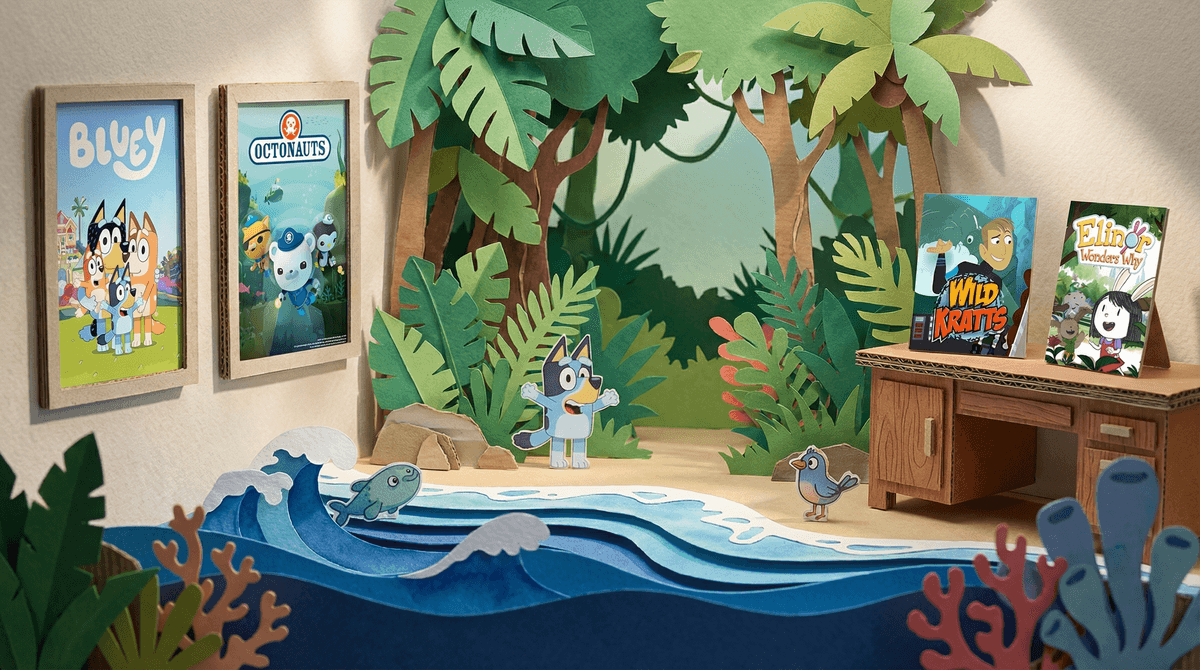
Look, we've all been there. You need 30 minutes to make dinner, answer emails, or just stare at a wall in silence, and you're trying to find something that won't make you want to throw the remote through the TV. Animal shows are often the sweet spot: educational enough to feel good about, entertaining enough that kids actually watch, and mercifully free of that hyperactive YouTube energy that makes your eye twitch.
Animal-themed shows run the full spectrum from straight-up nature documentaries to animated series where the animals are basically tiny humans with tails. Some teach real science, some teach emotional intelligence, and some are just... there. The good ones spark curiosity, model positive behavior, and might actually teach your kid something beyond how to beg for more screen time.
Animals are basically a cheat code for engaging kids. There's something universally appealing about creatures that hop, swim, fly, or just exist in ways humans don't. Plus, animal shows often hit that rare trifecta:
Kids get hooked because animals doing literally anything is entertaining. A penguin sliding on ice? Peak comedy. A cheetah running? Pure adrenaline. A dog teaching life lessons? Emotional gold.
Parents don't lose their minds because most animal content is blessedly calm compared to the sensory assault of shows with constant jump cuts, screaming characters, and aggressive music. (I'm looking at you, certain YouTube channels.)
Everyone learns something whether it's actual animal facts, problem-solving skills, or just how to be a decent little human who doesn't bite their sibling.
Ages 2-5: Gentle Introductions
Bluey — Yes, it's about dogs, but it's really about being a kid, having a family, and playing imaginative games. Bluey is the show parents actually want to watch. It's clever, emotionally intelligent, and doesn't talk down to kids. If you haven't watched it yet, start here. Full stop.
Octonauts — Underwater rescue missions with actual sea creature facts woven in. The animation is bright but not overwhelming, and kids genuinely learn about marine biology without realizing they're learning. Ages 3-6 will eat this up.
Elinor Wonders Why — PBS gem that teaches scientific thinking through a curious rabbit and her friends. It's slow-paced in the best way, modeling observation and asking questions. Perfect for preschoolers who are in that "why?" phase (so, all preschoolers).
Ages 5-8: Building Curiosity
Wild Kratts — The Kratt brothers are basically the cool uncles of animal education. They combine animation with live-action, teach real animal abilities, and have just enough adventure to keep kids engaged. My only warning: kids will 100% want "creature power suits" afterward.
Dino Dana — Technically prehistoric animals count, right? Dana imagines dinosaurs in her everyday life and learns paleontology along the way. It's smart, the lead character is a curious girl who loves science, and the AR-style dino integration is genuinely cool.
If You Give a Mouse a Cookie — Based on the beloved books, this Amazon series follows Mouse and friends through gentle adventures. It's not educational in the science sense, but it teaches problem-solving and friendship without being preachy.
Ages 7-12: Real Learning
Our Planet — David Attenborough's nature documentary series on Netflix. Stunning cinematography, real animal behavior, and yes, some heavy environmental themes. Best for ages 8+ who can handle the circle-of-life reality that sometimes the baby gazelle doesn't make it.
Creature Cases — Netflix mystery series where animal agents solve crimes. It's got detective work, animal facts, and enough humor to keep it light. Ages 6-10 will dig the mystery format.
Endangered — A more serious pick for tweens who are ready for conservation conversations. It's educational without being depressing, though it doesn't shy away from real environmental challenges.
72 Cutest Animals — Netflix countdown show that's exactly what it sounds like. Scientists rank cute animals while sneaking in real facts. It's light, fun, and perfect for the 9-12 crowd who think they're too old for "baby shows" but still love animals.
Not all animal content is created equal. Here's what to keep an eye on:
Nature's harsh realities — Some nature documentaries show predator-prey relationships in graphic detail. Know your kid's sensitivity level. A 6-year-old sobbing over a lion taking down a zebra is not the vibe we're going for at 7am before school.
Anthropomorphization overload — Shows where animals act exactly like humans can be fun, but they don't teach much about actual animal behavior. That's fine! Just know what you're getting. Bluey isn't teaching dog facts; it's teaching life skills.
Environmental anxiety — Some conservation-focused shows can be heavy for younger kids. Climate change and extinction are real, but a 5-year-old doesn't need that weight yet. Save the intense stuff for ages 10+.
The YouTube rabbit hole — Searching "funny animals" on YouTube will land you in a wasteland of low-quality compilation videos with weird music and zero educational value. Stick to curated shows on actual streaming platforms.
Ages 2-4: Stick with gentle, slow-paced shows like Bluey, Elinor Wonders Why, or Octonauts. Watch together and talk about what you see.
Ages 5-7: Branch into more adventurous content like Wild Kratts or Dino Dana. These can be independent viewing, but check in occasionally.
Ages 8-12: Nature documentaries like Our Planet become appropriate, especially if you watch together and can discuss what they're seeing. This age can handle more complex themes around conservation and animal behavior.
Animal shows are one of the safest bets in kids' media. They're generally calmer than action cartoons, more educational than pure entertainment, and way less annoying than 90% of what's out there.
Start with Bluey regardless of age—it's genuinely that good. For science-focused content, Wild Kratts and Octonauts are your MVPs. For older kids ready for real nature content, Our Planet is breathtaking.
The best part? Most of these shows are actually pleasant to have on in the background. You might even learn something yourself, like the fact that octopuses have three hearts (thanks, Octonauts).
Next step: Pick one show from your kid's age range, watch an episode together, and see what sticks. If they start asking questions about animals, you've found a winner. If they start asking for creature power suits, well, that's what birthdays are for.