

Tawantinsuyu: Is This Complex Inca Empire Game Right for Your Family?
TL;DR: Tawantinsuyu is a gorgeous, mechanically dense Euro-style board game about building the Inca Empire. It's genuinely excellent for strategy game enthusiasts ages 14+, but the learning curve is steep and the playtime is long (90-120 minutes). If your family already loves games like Wingspan or Terraforming Mars, this could be your next obsession. If you're still at Catan level, hold off.
Quick recommendation: Ages 14+ for experienced board gamers | 12+ if they've already mastered medium-weight strategy games
Tawantinsuyu (which means "The Four Parts Together" in Quechua, referring to the Inca Empire's four provinces) is a 2020 board game designed by Dávid Turczi. It's what the board game community calls a "medium-heavy Euro" — meaning it prioritizes strategic decision-making over luck, has multiple interconnected systems, and rewards careful planning.
Players take on the role of Inca nobles working to develop the empire through worker placement mechanics. You'll be constructing buildings, managing resources, climbing the temple steps to gain favor with the gods, and strategically placing your workers on a rotating central board called the "God's Eye." The theme is beautifully integrated into the mechanics, which is rarer than you'd think in this genre.
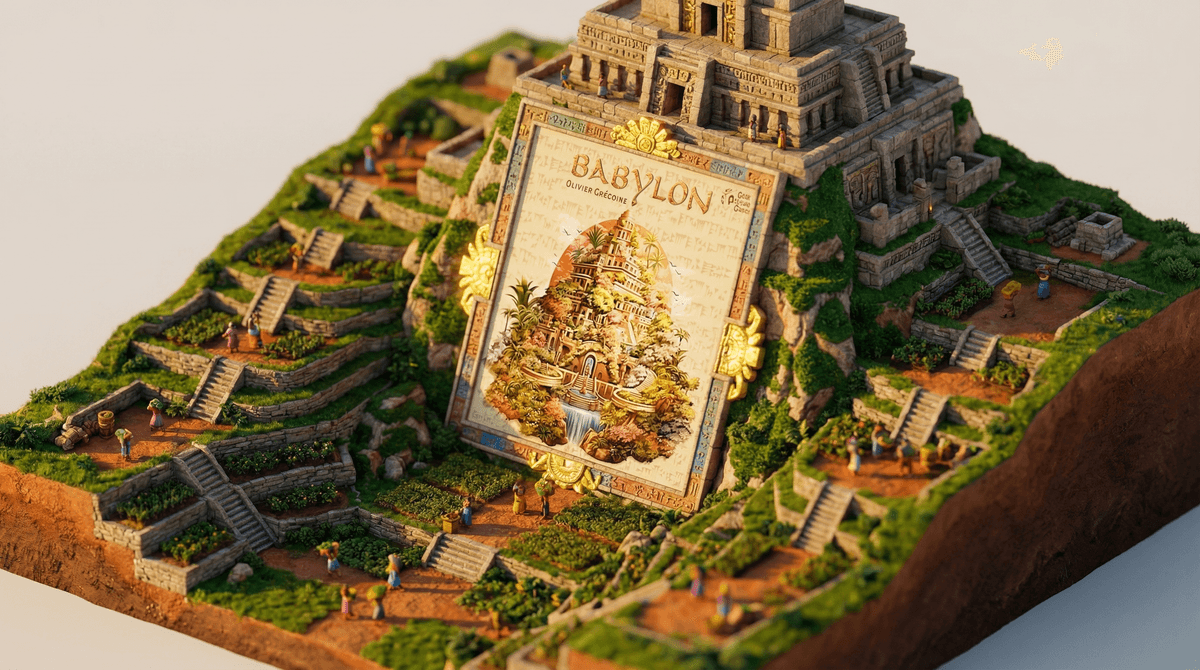
The production quality is stunning — the art by Jakub Skop and Bartek Fedyczak is vibrant and historically inspired, and the components feel substantial. This isn't a game you throw in your bag for a casual game night; it's a centerpiece experience.
The appeal here is all about the puzzle. Tawantinsuyu offers meaningful choices at every turn with multiple viable paths to victory. You can focus on:
- Building strategy: Constructing structures that give you ongoing benefits
- Temple climbing: Racing up the pyramid for powerful one-time bonuses
- Resource engine: Creating efficient production chains
- Military expansion: Conquering territories for points and resources
What makes it special is how these paths intertwine. The rotating God's Eye board means the action spaces available to you change each round, forcing adaptation. The worker placement system includes a clever "bump" mechanism where placing workers can push others to different spaces, creating a satisfying layer of tactical play.
For teens who've caught the strategy game bug — maybe through Ticket to Ride or Splendor — and are ready for something meatier, Tawantinsuyu delivers that "aha!" moment when everything clicks together.
Let's be honest: this game is not beginner-friendly. The rulebook is dense, setup takes 15-20 minutes, and your first game will likely run 2+ hours as everyone puzzles through their options.
The complexity comes from multiple sources:
- Iconography overload: Lots of symbols to memorize on cards and boards
- Interconnected systems: Actions in one area affect your options in others
- Long-term planning required: You need to think 3-4 turns ahead
- Limited "take-back" culture: Once you place a worker, you're committed
I've seen 13-year-olds who regularly play Azul and 7 Wonders struggle with their first game of Tawantinsuyu. Not because they can't understand it, but because the cognitive load is genuinely high. One parent on BoardGameGeek described teaching it to their teen as "watching them try to drink from a fire hose."
That said, the second game goes much smoother. By game three, experienced players start seeing the elegant design underneath the complexity.
Ages 14+: This is the sweet spot if your teen has experience with modern board games beyond mass-market titles. They should be comfortable with:
- Reading and interpreting card effects
- Planning multiple turns ahead
- Handling loss without frustration (this game can be punishing if you make early mistakes)
- Sitting for 90+ minutes focused on strategic thinking
Ages 12-13: Possible if they're already into strategy games and you're willing to play a teaching game where you coach them through decisions. Don't expect them to compete on equal footing with adults initially.
Ages 11 and under: Almost certainly too complex unless you have a genuine prodigy who's already mastering games like Scythe. Even then, the playtime and attention demands are steep.
While Tawantinsuyu is primarily an entertainment experience, it does offer some learning opportunities:
Historical exposure: The game introduces players to Inca civilization, their road systems, agricultural terraces (andenes), and religious practices. It's not a history lesson, but it can spark curiosity. The rulebook includes historical notes about the real Tawantinsuyu.
Systems thinking: Players learn how interconnected decisions create emergent outcomes — a valuable skill for understanding complex real-world systems.
Resource management: The game teaches opportunity cost, efficiency optimization, and long-term planning.
Mathematical thinking: Calculating optimal moves requires addition, multiplication, and comparing relative values.
That said, if your primary goal is education, there are more directly educational games. This is strategy gaming first, learning second.
Time commitment is real: Block out 2 hours minimum for your first game, including setup and teardown. Even experienced players rarely finish under 90 minutes. This isn't a "quick game before dinner" situation.
It's not a gateway game: If you're trying to get your family into modern board gaming, start with alternatives to classic board games before jumping here. Work your way up through games like Carcassonne or Pandemic first.
Player count matters: Tawantinsuyu plays 1-4 players, but it shines at 2-3. At four players, downtime between turns can test patience, especially for younger players. The solo mode is surprisingly good if you have a teen who likes solo gaming experiences.
Replayability is high: If your family commits to learning it, you'll get dozens of plays out of this. The variable setup and multiple strategies mean games feel different each time.
Price point: Expect to pay $50-70. That's premium for a board game, but reasonable for the production quality and replay value. Still, it's a bigger investment than picking up Uno.
If you're trying to figure out where Tawantinsuyu sits in your collection:
Easier alternatives: Wingspan, Splendor, Ticket to Ride
Similar complexity: Terraforming Mars, Everdell, Raiders of the North Sea
More complex: Brass: Birmingham, A Feast for Odin
If your teen is crushing Wingspan and asking for something with more depth, Tawantinsuyu is a logical next step. If they're still learning Catan, pump the brakes.
Tawantinsuyu is an outstanding strategy game that's genuinely too complex for most families, and that's okay. Not every game needs to be for everyone.
Buy it if:
- Your family regularly plays and enjoys medium-weight strategy games
- You have a teen (14+) who's expressed interest in deeper gaming experiences
- You're okay with a significant learning investment for long-term payoff
- You appreciate beautiful production and thematic integration
Skip it if:
- You're new to modern board gaming
- Your kids are under 12 (with rare exceptions)
- Your family prefers shorter, lighter games
- You need something that works for mixed-age groups
For the right family, this game will become a treasured part of your collection — the one you pull out when everyone's ready for a meaty strategic challenge. For others, it'll sit on the shelf looking pretty but never hitting the table.
Ready to dive in? Watch a playthrough video on YouTube first. Watching experienced players will give you a much better sense of whether this fits your family than reading reviews.
Want something similar but easier? Check out family-friendly strategy games or worker placement games for beginners.
Already own it and struggling? Don't give up after one game. Play your second game within a week while the rules are fresh, and consider using the "open hand" variant where everyone can see each other's cards and offer suggestions. It reduces the competitive edge but dramatically improves the learning experience.
The Inca Empire wasn't built in a day, and neither is mastery of Tawantinsuyu. But for families ready to put in the effort, it's a genuinely rewarding journey.