

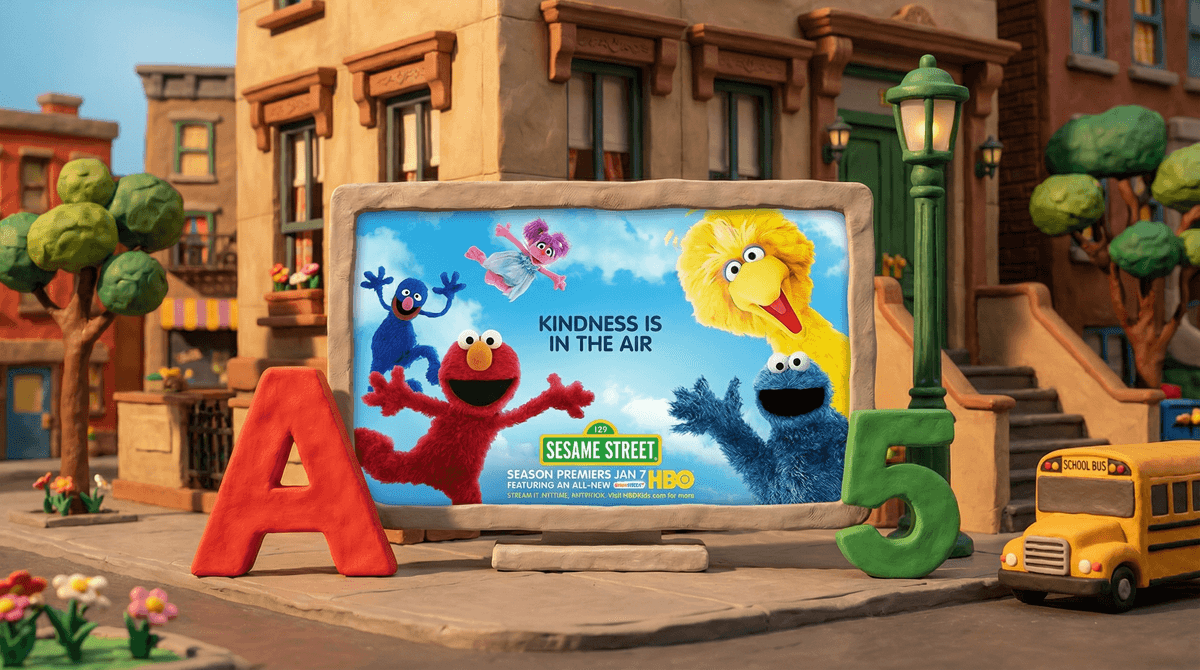
Sesame Street for Kindergarteners: A Parent's Guide to This Timeless Classic
Sesame Street remains one of the best educational shows for kindergarteners, period. After 50+ years on air, it still delivers research-backed learning wrapped in genuinely entertaining content. Your 5-6 year old can watch it guilt-free, and you might actually enjoy sitting down with them. It's available on HBO Max and PBS, with episodes running 25-30 minutes—perfect for a post-school wind-down or morning routine.
Quick wins for parents:
- Zero safety concerns (seriously, this is the gold standard)
- Builds early literacy and numeracy skills
- Teaches emotional regulation and social skills
- Diverse cast and inclusive storytelling
- Actually funny for adults too
Kindergarten is this wild transition year where kids are suddenly expected to sit still, follow multi-step directions, and navigate complex social dynamics. Sesame Street was literally designed by educational psychologists for this exact developmental stage.
The show uses something called the "Sesame Street Model"—short segments with repetition, catchy songs, and celebrity cameos to keep attention spans engaged while sneaking in actual learning. For kindergarteners specifically, the content hits these key areas:
Early Literacy: Letter recognition, phonics, rhyming, and vocabulary building. The classic "Letter of the Day" segments are still going strong, but now they're integrated into longer storylines that show letters in context.
Math Foundations: Counting, number recognition, basic addition/subtraction, patterns, and shapes. The "Number of the Day" isn't just rote memorization—it's about understanding quantity and mathematical thinking.
Social-Emotional Learning: This is where Sesame Street really shines for the kindergarten crowd. Episodes tackle big feelings (frustration, disappointment, anger) and model healthy coping strategies. Your kid will see Elmo have a meltdown and then learn to take deep breaths. It's basically free therapy.
Executive Function: Following routines, problem-solving, planning ahead, and self-control. These are the skills that make or break kindergarten success, and Sesame Street weaves them into every episode.
You might worry that a show from 1969 feels dated to kids growing up with YouTube and TikTok. But here's the thing: Sesame Street has evolved brilliantly while keeping its core magic intact.
The Characters Are Timeless: Elmo, Cookie Monster, Abby Cadabby, and Big Bird aren't going anywhere. These characters have the kind of staying power that transcends generations. Your kindergartener will love them for the same reasons you did—they're funny, relatable, and genuinely kind.
The Pacing Works: Modern Sesame Street episodes (post-2015) are tighter and more narrative-driven than the classic variety-show format. A 25-minute episode follows one main story arc with related segments woven throughout. This structure works perfectly for kindergarten attention spans.
Celebrity Cameos Hit Different: The show regularly features musicians, actors, and athletes your kids actually recognize. Recent seasons have included Kacey Musgraves, Questlove, and Janelle Monáe. It's not your parents' celebrity cameos.
The Humor Is Layered: Cookie Monster parodying "Downton Abbey" as "Upside Downton Abbey"? Elmo doing a spoof of "Hamilton"? The writers know parents are watching, and they throw in jokes that'll make you actually laugh.
Screen Time Sweet Spot
A single Sesame Street episode is 25-30 minutes, which aligns perfectly with AAP recommendations for this age group. Most kindergarteners can handle one episode daily without it interfering with play, outdoor time, or family connection.
If you're trying to reduce overall screen time, Sesame Street is honestly one of the few shows worth keeping in the rotation. It's not "brain rot"—it's intentional, curriculum-based content that actually supports what they're learning in school.
Where to Watch
- HBO Max has the full current season plus archives (requires subscription)
- PBS airs episodes for free (check local listings)
- PBS Kids app offers free episodes with no subscription
- YouTube has official Sesame Street channels with clips and songs
Pro tip: The PBS Kids app is genuinely great. No ads, no autoplay rabbit holes, just quality content. Learn more about PBS Kids vs other streaming options.
The Diversity Factor
Sesame Street has always been ahead of the curve on representation, but recent seasons have really doubled down. You'll see:
- Families with two moms or two dads
- Characters with autism (Julia) and food insecurity
- Racial diversity that reflects actual America
- Bilingual content (Spanish/English) integrated naturally
If you're raising kids in a diverse community (or want them to understand the world beyond your bubble), this matters. Kindergarten is when kids start noticing differences and asking questions. Sesame Street normalizes diversity in a way that feels effortless.
What About Elmo's World?
Some parents find the "Elmo's World" segments (the last 10-15 minutes of older episodes) annoying as hell. Fair. The repetitive format and Mr. Noodle's antics aren't for everyone. Good news: newer episodes have phased this out in favor of more integrated content. But if you're watching older episodes and want to skip Elmo's World, your kid will survive. Promise.
Just putting Sesame Street on and walking away is fine—the show is designed to work solo. But if you want to level up the learning, here are some easy strategies:
Co-Viewing When You Can
Sit with your kindergartener for even part of an episode and ask simple questions:
- "What letter are they talking about? Can you find that letter in your name?"
- "How do you think Elmo is feeling right now?"
- "What would you do if you were in that situation?"
This kind of active engagement helps kids transfer what they're seeing on screen to real-world application.
Extend the Learning
After an episode about counting, count things around the house. After a letter-focused episode, find that letter in books or on signs during errands. The show gives you built-in conversation starters and teaching moments.
Use the Songs
Sesame Street songs are legitimately catchy and educational. Play them in the car, during morning routines, or while getting ready for bed. Your kindergartener will internalize concepts through repetition without it feeling like work.
Check out other educational shows for kindergarteners if you want to expand beyond Sesame Street.
"Isn't my kindergartener too old for this?"
Nope. Kindergarten is actually the sweet spot for Sesame Street. The content is specifically designed for ages 3-6, and the curriculum aligns with kindergarten standards. Some kids will age out by first grade, others will still enjoy it through age 7. Let them lead.
"My kid only wants to watch YouTube/Netflix/Disney+"
Sesame Street is available on all these platforms in various forms. Start with YouTube clips of their favorite characters to hook them, then transition to full episodes. You can also frame it as "special TV time" vs. their other shows.
"They're learning this stuff at school already"
Great! Repetition and reinforcement are exactly how kindergarteners solidify new concepts. Seeing the same letters, numbers, and social skills in different contexts (school + TV) actually accelerates learning.
"I'm worried about screen time in general"
Valid concern. But if your kid is going to watch something, Sesame Street is genuinely one of the best choices you can make. It's not passive consumption—it's designed to be interactive and educational. That said, balance it with plenty of outdoor play , reading, and unstructured time.
If you want to round out your kindergartener's viewing rotation with similar quality content:
- Daniel Tiger's Neighborhood: Social-emotional learning powerhouse, great for feelings and routines
- Wild Kratts: Science and nature content with adventure
- Bluey: Imaginative play and family dynamics (also great for parents)
- Odd Squad: Math and problem-solving with humor
- Octonauts: Ocean science and teamwork
Explore more shows for kindergarteners if you need variety.
Sesame Street is one of the few shows where you can genuinely feel good about your kindergartener watching. It's educational without being preachy, entertaining without being overstimulating, and inclusive without feeling forced.
After 50+ years, it's still the gold standard for early childhood programming. Your kindergartener will learn letters, numbers, emotional regulation, and social skills while being genuinely entertained. You might even find yourself singing along to the songs (sorry in advance for "C Is for Cookie" being stuck in your head for three days).
One episode a day? Zero guilt. This is quality screen time that actually supports their development during a critical learning year.
- Pick your platform: Set up PBS Kids app (free) or check if you have HBO Max access
- Start with a favorite character: Let your kid pick an episode featuring Elmo, Cookie Monster, or whoever they're drawn to
- Make it routine: Consider adding one episode to your morning or after-school routine
- Engage when possible: Ask questions, sing songs, and extend the learning into daily life
- Balance with other activities: Pair screen time with outdoor play, reading, and creative projects
Want more personalized recommendations for your kindergartener? Tell us about your kid's interests and we'll help you build a rotation that works for your family.