

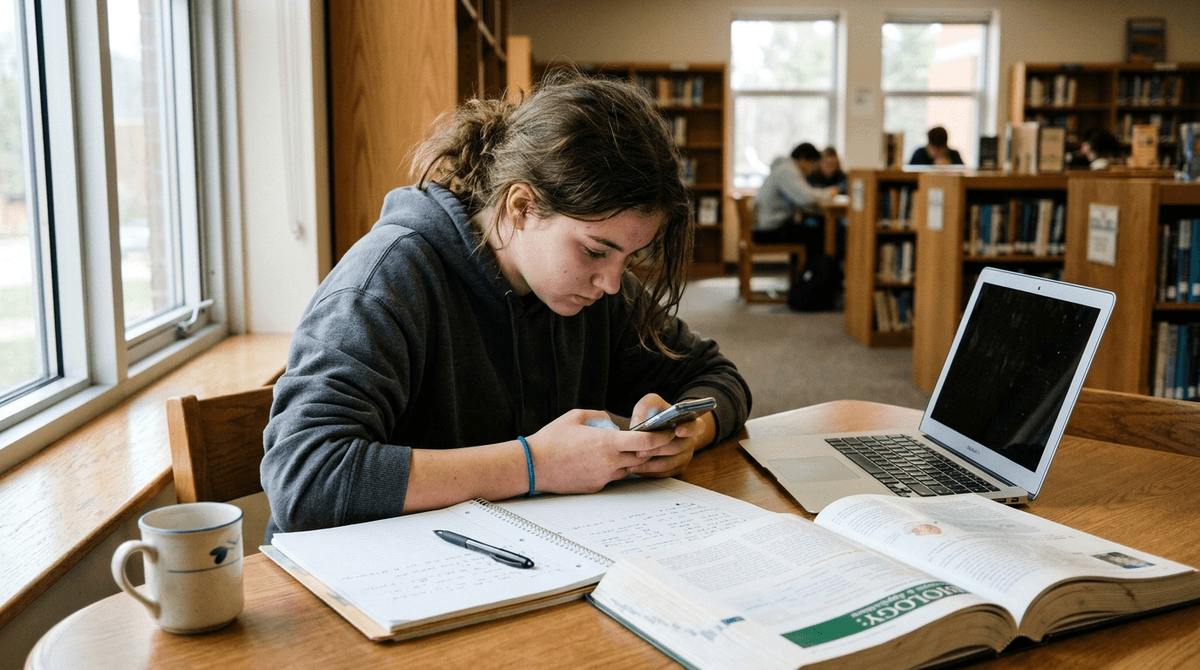
Using digital devices for fun while at school is dragging down student grades. The distinction between "laptop for learning" and "phone for fun" is the single biggest factor in tech-related academic success.
Casual digital device use at school erodes academic performance and disrupts social development. While technology can be a powerful learning tool when used with specific intent, using screens for leisure during school hours is consistently linked to lower test scores and higher rates of distraction across dozens of countries.
Schools are flooded with hardware, but many parents and teachers haven't drawn a hard line between educational utility and digital distraction. If your child’s school day includes significant unmonitored screen time, they aren't just "tech-literate"—they are likely falling behind their peers who use devices more intentionally.
This isn't just about grades. Excessive screen time in the classroom environment is linked to social-emotional delays and increased exposure to risks like cyberbullying. Understanding this data allows you to push for school policies that prioritize high-quality instruction over "digital for the sake of digital."
The OECD analyzed data from the PISA (Programme for International Student Assessment) surveys, which track student performance globally. Researchers wanted to solve a specific puzzle: why has massive investment in school technology failed to produce a significant jump in student outcomes?
By isolating different types of digital habits, they found that "leisure bleed"—the use of devices for entertainment during the school day—is the primary driver of negative outcomes. They focused on this now because the post-pandemic "new normal" has made devices ubiquitous in classrooms, often without the necessary guardrails to keep them from becoming high-tech toys.
The data shows a sharp negative correlation between using digital devices for fun at school and academic achievement. Students who report frequent leisure use are significantly more likely to underperform in core subjects like math, reading, and science.
- The "Distraction Tax" is real. Even when students aren't the ones using the device, being in a classroom where others are using screens for non-academic purposes lowers the concentration and performance of everyone nearby.
- Safety risks scale with usage. More time spent on devices at school correlates with a higher frequency of privacy breaches and cyberbullying. The "protection" of the school environment does not automatically shield children from the darker corners of the internet.
- Passive vs. Active. The study found that educational benefits only appear when technology is used for active, teacher-led learning. Passive entertainment—like scrolling social media during a break or gaming under the desk—offers zero academic upside and significant downside.
- Social displacement. Excessive screen time is linked to disruptions in children's social and emotional development, as digital interactions begin to displace the face-to-face social "rehearsal" that happens during school hours.
The report implies that many "digital-first" school policies are failing because they prioritize access over purpose. It suggests that simply handing a kid a tablet doesn't make them a better student; it often just gives them a more efficient way to get distracted.
The hidden reality is that "digital literacy" is often used as a catch-all term to justify tech spending, but true literacy doesn't come from casual browsing. The real winners in this data set are students in environments where technology is treated like a microscope or a textbook—pulled out for a specific task and put away when the job is done. The report subtly critiques the "digital native" myth, proving that just because a child can navigate an iPad doesn't mean they are learning anything of value.
These findings are observational. The OECD identified a strong link between leisure screen time and lower grades, but they cannot definitively prove that the device use caused the drop in performance. It is possible that students who are already struggling or disengaged are more likely to seek out digital distractions.
Additionally, this report summarizes broad international trends across 15-year-old students. While the sample size is massive and respected, local school cultures and specific hardware implementations can vary. A school with highly trained teachers and sophisticated monitoring software may see different results than the global average.
- If your child is using a personal device for non-academic tasks during school hours, advocate for a "pocket the phone" or "away for the day" policy that ensures devices are only visible during teacher-led instruction.
- If you are worried about your child’s social development, prioritize screen-free extracurricular activities to ensure digital leisure at school isn't replacing the face-to-face interaction they need to build social stamina.
- If your child's school requires 1-to-1 device use, ask the administration for their specific strategy on preventing "leisure bleed" and how they monitor for privacy risks during the school day.
- If you want to boost your child's digital safety, focus your at-home training on privacy management and cyberbullying response, as these are the specific risks that increase alongside school-day device use.
- If your child claims they "need" their device for a break at school, suggest they swap the screen for a physical book or a brief walk, as the data indicates that digital "rest" isn't actually restorative for academic performance.
Technology in the classroom is only an asset when it is used as a tool, not a toy. When digital devices transition from instructional aids to entertainment centers, academic performance and social well-being both take a hit. You have the data to support a balanced approach: embrace technology for learning, but be a vocal advocate for keeping leisure screens out of the classroom.
OECD (2024). Students, digital devices and success. OECD Education Policy Perspectives. doi:10.1787/9e4c0624-en — oecd.org