

You've probably noticed them popping up everywhere lately—little badges and labels on streaming services, review sites, and content guides that say things like "Strong Female Lead," "LGBTQ+ Characters," or "Diverse Cast." These are representation ratings, and they're supposed to help you find media that reflects different identities, cultures, and experiences.
The idea is solid: help families find stories where their kids can see themselves represented, or expose them to perspectives different from their own. But here's the thing—not all representation ratings are created equal, and understanding what they actually mean (versus what they claim to mean) is crucial for making informed choices.
Representation in media isn't just a buzzword—it genuinely affects how kids see themselves and others. Research consistently shows that seeing diverse, authentic representation helps kids develop empathy, cultural awareness, and positive self-identity. When a kid sees a character who looks like them, shares their family structure, or navigates similar challenges, it validates their experience.
But the flip side matters too: tokenism and stereotypical representation can actually do more harm than good. A show that checks a diversity box by including one Black character who exists solely to support the white protagonist? That's not meaningful representation—that's lazy writing with a diversity sticker slapped on top.
Let's break down what these common labels actually mean (and what they don't):
"Diverse Cast"
What it claims: Multiple characters from different racial, ethnic, or cultural backgrounds.
What it often means: There are non-white people on screen. That's it. It says nothing about whether those characters are well-developed, whether they perpetuate stereotypes, or whether the story actually engages with their cultural identity in any meaningful way.
What to look for: Are the diverse characters fully realized with their own storylines and motivations? Or are they just background decoration?
"Strong Female Lead"
What it claims: A female protagonist who's capable, complex, and drives the story.
What it often means: A girl who can punch things. Look, physical strength is great, but if that's the only dimension of "strength" being celebrated, we're missing the point.
What to look for: Does she have flaws, growth, relationships, and agency beyond just being "not like other girls"? Does the story value different types of strength—emotional intelligence, creativity, leadership, vulnerability?
"LGBTQ+ Characters" or "LGBTQ+ Themes"
What it claims: Representation of queer identities and experiences.
What it often means: This one varies wildly. Sometimes it's nuanced, age-appropriate representation of LGBTQ+ families or identities. Sometimes it's a background character mentioned once. Sometimes it's queerbaiting—hinting at queer representation without actually committing to it.
What to look for: Is this character's identity treated as a normal part of who they are, or is it their entire personality? Is it age-appropriate for your kid's developmental stage? Does the representation come from creators with lived experience?
"Disability Representation"
What it claims: Characters with disabilities are included.
What it often means: Again, huge range. Best case: authentic representation that shows disabled characters as full people with lives beyond their disability. Worst case: inspiration porn where the disabled character exists solely to teach able-bodied characters life lessons.
What to look for: Does the character have agency and a storyline beyond their disability? Were disabled actors cast? Did disabled creators have input?
Here's what drives me up the wall: representation ratings often measure presence, not quality. A show gets the same "diverse cast" label whether it features a thoughtfully written family of color navigating real cultural experiences, or whether it includes one token character whose entire personality is "the ethnic friend."
This is why you can't just filter by representation labels and call it a day. You need to dig deeper.
Instead of relying solely on badges and labels, here's what to look for:
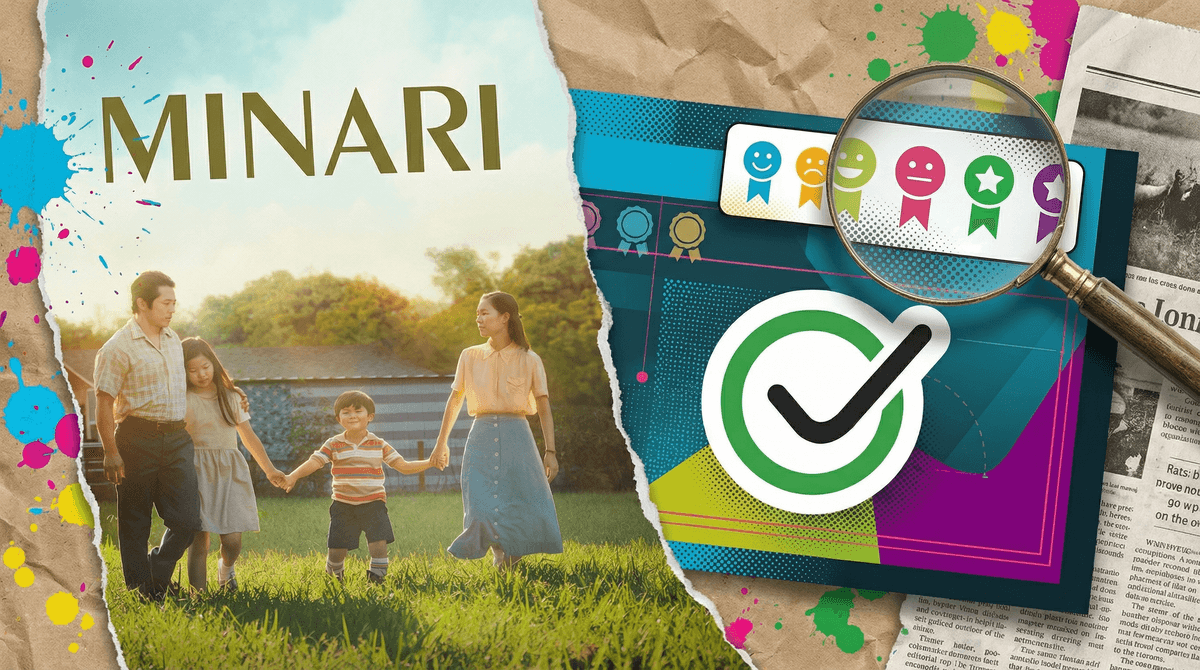
1. Who's telling the story? Check the creators, writers, and directors. Authentic representation usually comes from people with lived experience. A show about a Korean-American family written and directed by Korean-Americans (Minari) is going to hit different than one where the diversity is just surface-level.
2. Read actual reviews from the communities being represented Don't just trust the platform's label. Look for reviews from LGBTQ+ parents about queer representation, reviews from disabled advocates about disability representation, reviews from parents of color about racial representation. They'll tell you what's authentic and what's performative.
3. Watch with your kids and talk about it The best way to evaluate representation? Actually watch the content and discuss it together. Ask questions like: "Did that character feel real to you?" "What did you notice about how they were treated?" "Does this remind you of anyone you know?"
4. Look for complexity and humanity Good representation shows characters as full human beings with strengths, flaws, dreams, and relationships that extend beyond their identity markers. If a character's entire purpose is to represent their demographic, that's not representation—that's a walking checkbox.
Instead of relying solely on platform labels, check out:
- Common Sense Media's representation breakdowns - They actually describe what kind of representation exists and how it's handled
- Community-specific reviewers - Follow reviewers from marginalized communities who focus on authentic representation
- Screenwise - Find shows with authentic disability representation
 about representation quality, not just presence
Let's address the elephant in the room: some parents worry that certain types of representation aren't "age-appropriate" or conflict with their values. Here's my take—representation of people who exist in the world is not inherently inappropriate.
A show that includes a same-sex couple as background characters isn't more mature than one with a heterosexual couple. A story featuring a character with two moms isn't teaching anything except that families come in different configurations—which is just... reality in 2026.
That said, how identity and relationships are portrayed matters for age-appropriateness. A picture book showing a kid with two dads going to the park? Totally appropriate for preschoolers. A teen drama with explicit romantic content? That's a different conversation, regardless of whether the couple is straight or queer.
Representation ratings are a starting point, not a finish line. They can help you find content that might include diverse perspectives, but they can't tell you whether that representation is authentic, thoughtful, or well-executed.
The real work is digging deeper: checking who created the content, reading reviews from people in the communities being represented, and watching alongside your kids so you can discuss what you're seeing together.
Good representation isn't just about seeing different faces on screen—it's about seeing full, complex, authentic human beings whose stories are told with respect and care. Don't settle for checkbox diversity. Your kids deserve better, and so do the communities being represented.
Want to find media with authentic representation that matches your family's values and your kids' ages? Find shows with authentic representation for your family about what you're looking for—we can help you cut through the labels and find the good stuff.