

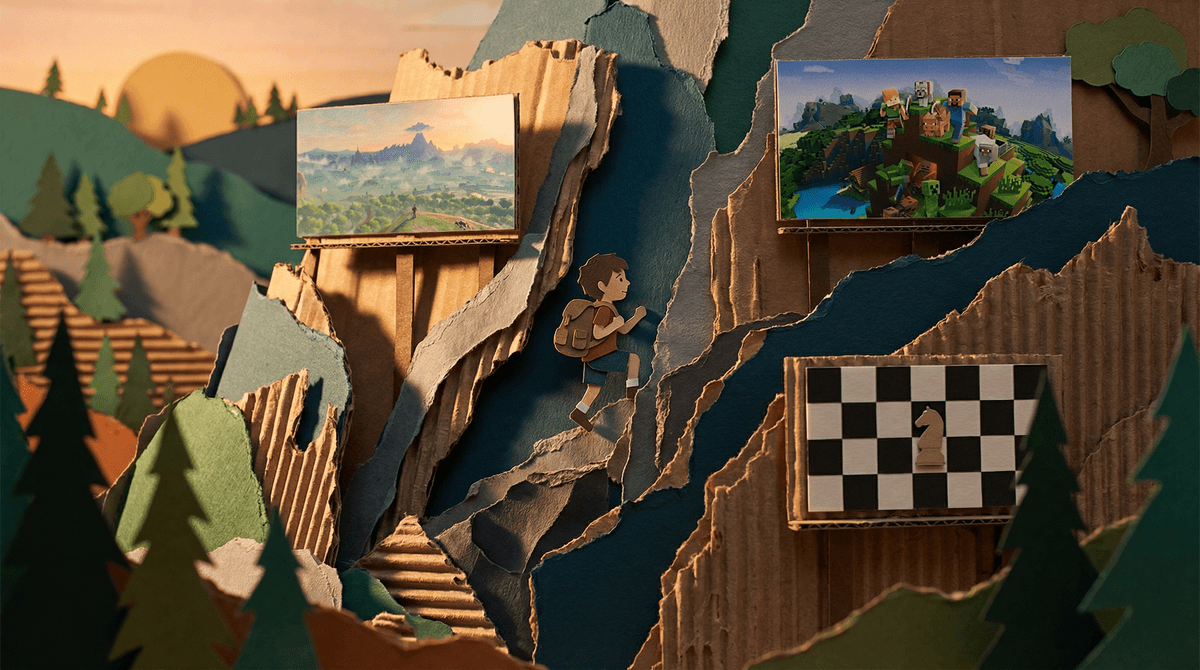
Perseverance is the ability to stick with something difficult even when you want to quit. It's pushing through frustration, learning from failure, and understanding that getting good at things takes time and effort. Simple concept, right?
Except here's the thing: we're raising kids in an era designed to eliminate friction. Apps load in milliseconds. Videos skip if they're boring after three seconds. Games have "easy mode" and unlimited continues. Even homework has YouTube explainers that make everything seem simple.
I'm not saying technology is evil—far from it. But when kids grow up in environments where everything is instant, frictionless, and optimized for engagement, the muscle of perseverance doesn't get exercised naturally. And that's a problem, because real life? Real life is full of friction.
The research is pretty clear: grit and perseverance are better predictors of long-term success than raw talent or IQ. Kids who can push through challenges, who understand that struggle is part of learning, who can tolerate discomfort—these kids develop resilience that serves them their entire lives.
But beyond the research, let's talk practically. Kids who haven't developed perseverance hit a wall when:
- They encounter their first genuinely hard class in middle or high school
- They try a sport or instrument and aren't immediately good at it
- They face social rejection or friendship drama that doesn't resolve in 22 minutes
- They need to work toward a goal that takes months or years, not hours
And here's what we're seeing: more kids are opting out earlier. They're quitting activities faster, avoiding challenges, and developing what psychologists call "learned helplessness"—the belief that effort doesn't matter because outcomes are beyond their control.
Let's be real about how screens factor into this. Not all screen time is created equal when it comes to building perseverance:
Things that can actually build grit:
- Minecraft creative mode where kids work on long-term builds
- Zelda: Breath of the Wild and other games with genuine challenge and problem-solving
- Learning to code through platforms like Scratch where debugging is part of the process
- Chess.com where kids learn from losses and improve over time
Things that actively undermine perseverance:
- Endless TikTok/YouTube Shorts scrolling (instant gratification, zero sustained effort)
- Games designed with pay-to-win mechanics where money replaces effort
- Apps that provide answers without showing work (looking at you, certain homework helpers)
- Rage-quit-inducing games that are frustrating without being productive
The difference? Productive struggle vs. mindless consumption or toxic frustration. Good challenges teach kids that effort leads to progress. Bad challenges teach them that outcomes are random or purchased.
Here's what perseverance actually looks like at different ages:
Ages 4-7: Finishing a puzzle even when it's hard. Trying again after falling off the bike. Not melting down when the Lego tower falls. We're talking 5-10 minutes of sustained effort on something challenging.
Ages 8-11: Sticking with an activity for a full season even when they're not the best. Practicing something boring (multiplication tables, piano scales) because it leads to something cool. Working on a project over multiple days. We're building up to 20-30 minutes of focused, challenging work.
Ages 12-14: Pushing through a genuinely difficult class or skill. Accepting that some goals take months or years. Learning from failure without catastrophizing. Handling setbacks in friendships, academics, or activities without giving up entirely.
Ages 15+: Self-directed goal-setting and follow-through. Understanding that most worthwhile things require sustained effort over time. Developing identity around being someone who finishes what they start.
1. Let them struggle (within reason)
This is the hardest one. When your kid is frustrated with homework or a game or a friendship situation, your instinct is to fix it. Don't. Ask questions instead: "What have you tried so far?" "What could you try next?" "Who could you ask for help?"
The goal isn't to let them fail—it's to let them problem-solve.
2. Narrate the struggle
When YOU encounter something hard, say it out loud: "This is frustrating, but I'm going to stick with it." "I'm not good at this yet, but I'm learning." "That didn't work, so I'm trying a different approach."
Kids need to see that adults struggle too, and that struggle is normal.
3. Celebrate effort over outcomes
Instead of "You're so smart!" try "You worked really hard on that." Instead of "You're a natural!" try "I noticed you practiced that over and over until you got it."
Research shows that praising effort builds perseverance, while praising innate ability actually undermines it. Learn more about growth mindset research .
.
4. Choose activities that require sustained effort
This is where you need to be strategic about activities:
- Sports and music lessons (with the right coach who teaches growth mindset)
- Long-form building projects—Lego, woodworking, art
- Board games that require strategy and learning from mistakes
- Cooking and baking (following multi-step processes with real consequences)
- Video games that require actual skill progression (not pay-to-win garbage)
5. Make failure normal
Share your own failures. Read books about famous people who failed repeatedly. Watch documentaries about athletes or artists who trained for years. Make it clear that failure isn't the opposite of success—it's part of the path to success.
6. Set up "productive struggle" screen time
If your kids are going to be on screens (and they will be), steer them toward activities that build perseverance:
- Games with genuine challenge and skill progression
- Creative tools (video editing, music production, coding)
- Learning platforms where they can see their progress over time
- Multiplayer games where they learn from better players
Don't rescue them from every disappointment. Not making the team, getting a bad grade, losing a game—these are learning opportunities, not tragedies.
Don't let them quit immediately. The rule in many families: you can quit, but not until the season/semester/commitment is over. You don't have to sign up again, but you finish what you started.
Don't model giving up. If you rage-quit your own challenges, complain constantly about hard things, or avoid discomfort at all costs, your kids are watching.
Don't confuse perseverance with suffering. If an activity is genuinely harmful, toxic, or wrong for your kid, it's okay to stop. Perseverance doesn't mean grinding through abuse or forcing a square peg into a round hole. There's a difference between productive struggle and pointless suffering.
Teaching perseverance isn't about making your kids tougher or grittier in some bootstrap-pulling way. It's about giving them the tools to navigate a world that will inevitably include challenges, setbacks, and things that don't come easily.
The good news? You don't need to completely overhaul your family life or eliminate screens or send your kids to wilderness boot camp. You just need to create regular opportunities for productive struggle, model perseverance yourself, and resist the urge to smooth every bump out of their path.
Because here's the truth: the kids who learn to persist through difficulty don't just achieve more—they're happier, more confident, and more resilient. They know they can handle hard things. And in a world that's increasingly optimized for instant gratification, that's a genuine superpower.
Want to dig deeper? Explore games and activities that build perseverance or learn about growth mindset conversations for different ages.
And if you're wondering how your family's approach compares to others in your community, take the Screenwise survey to get personalized insights and recommendations.