

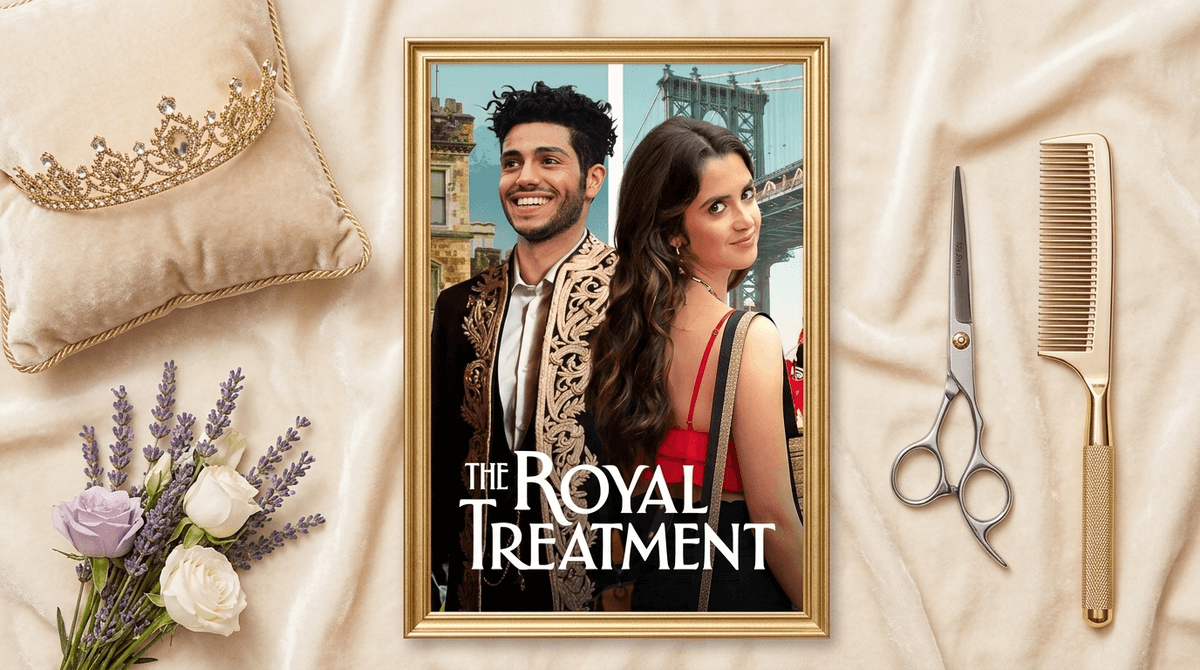
The Royal Treatment is the cinematic equivalent of a sugar cookie from a grocery store—it’s not gourmet, it’s entirely predictable, but if you’re in the mood for exactly that, it hits the spot. For parents, the headline is simple: this is an aggressively safe, Hallmark-style rom-com designed specifically for the tween set who wants to graduate from cartoons but isn't anywhere near ready for the hormonal chaos of Euphoria or even the mild spice of a standard PG-13 teen drama.
The Royal Treatment is a harmless, trope-heavy romance on Netflix that’s perfect for the 8-12 age range. It delivers a "grown-up" movie feel with zero mature content—no sex, no swearing, and no real peril—making it an easy win for a low-stakes movie night.
There is a specific window in a kid's life, usually between third and seventh grade, where they start eyeing the "Romance" category on streaming platforms. They want the fancy dresses, the "will-they-won't-they" tension, and the big emotional payoffs, but they don't actually want the complicated reality of high school relationships or the awkwardness of "the talk."
The Royal Treatment lives entirely in this sweet spot. It follows Izzy (Laura Marano), a New York hairdresser with a heart of gold and a thick-as-molasses Italian-American accent, who gets hired to do the hair for a royal wedding in the fictional country of Lavania. The groom is Prince Thomas (Mena Massoud), who is, of course, charming but stifled by royal duty. You know exactly how this ends before the opening credits finish rolling.
For an intentional parent, the value here isn't in the art—it's in the safety. You can put this on and leave the room to fold laundry or answer emails without worrying that a random scene is going to trigger a conversation you weren't prepared to have on a Tuesday night. It’s "romance" in the most chaste, Disney-Channel-original-movie sense of the word.
Let’s be real: the writing is lazy. The New York accents are caricatures, the plot holes are large enough to drive a royal carriage through, and the "social commentary" about the Prince not knowing how the "real people" live is about as deep as a suburban birdbath. If you are watching this as an adult, you will likely spend half the time rolling your eyes.
But your kid isn't looking for Lady Bird. They are looking for the fantasy. They want to see the makeover montage, the beautiful scenery of "Lavania" (actually New Zealand), and the moment the Prince realizes he doesn’t have to marry the mean socialite his parents picked out. It’s aspirational fluff. According to Screenwise community data, movies like this often serve as "bridge content"—they help kids transition from animated features to live-action storytelling without the jarring jump in maturity.
If your kid finishes The Royal Treatment and immediately asks for "more like that," you have a few directions you can go. You can lean into the royal trope, or you can pivot to better-written live-action stories that still keep things clean.
The Royal Trope Deep-Cuts
- Also on Netflix, this is the gold standard of the "modern girl meets royalty" genre for tweens. It has the added bonus of a Parent Trap style identity swap. It’s just as cheesy, but slightly more fun.
- If they haven't seen the OG, this is the time. It’s significantly better written than the Netflix originals and features a legendary performance by Julie Andrews. It hits the same "regular girl is actually special" notes but with actual wit.
- This is the smart version of the "fish out of water" romance. It pokes fun at the very tropes The Royal Treatment plays straight. It’s a great way to see if your kid is starting to develop a sense of irony about the media they consume.
Better Writing, Same Safety
- If they like the "girl power" and community vibes of Izzy’s salon, this show is a masterpiece of modern adaptation. It’s wholesome, smart, and deals with real issues (friendship, family, identity) with way more grace than a royal rom-com.
- If they just want something "cozy" and beautiful to look at, Hilda is the move. It’s animated, but it has a sophisticated emotional palette that appeals to older kids who are tired of loud, frantic cartoons.
For a full breakdown of what’s worth their time, check out our best movies for kids list.
The "friction point" in The Royal Treatment isn't the content—it's the message about wealth and philanthropy. The movie tries to make a point about the Prince using his resources to help the "underprivileged" part of town. It’s handled with the nuance of a sledgehammer, but it’s a perfect opening to ask your kid: "Do you think the Prince is actually helping, or just making himself feel better?" It’s a small way to turn a "mid" movie into a quick lesson in media literacy.
- On Tropes: "Did you notice how we knew they’d end up together the second they met? Why do you think movies use those patterns?"
- On Accents and Stereotypes: "Izzy and her family are a very specific 'type' of New Yorker. Does that feel like real people, or like a cartoon version of people?"
- On "The Choice": Thomas has to choose between what his parents want and what he wants. That’s a theme that shows up in our digital guide for middle school content all the time—how do you handle it when you start wanting different things than your family expects?
Q: Is there any inappropriate content in The Royal Treatment? Virtually none. There is one chaste kiss at the very end. No profanity, no violence, and no sexual situations. It’s as clean as a movie gets while still being about two adults falling in love.
Q: What age is The Royal Treatment appropriate for? The sweet spot is 8 to 12. Younger kids might find the romance "boring," and kids over 13 will likely find it "cringe" or too predictable. It’s the ultimate "tween" movie.
Q: Is it better than other Netflix royal movies? It’s on par with The Princess Switch but slightly less "holiday-themed." If your kid liked one, they will almost certainly like the other. They are built from the exact same blueprint.
The Royal Treatment isn't going to win any Oscars, and it won't be a movie your kid remembers for the rest of their life. But as a safe, low-anxiety option for a kid who wants to feel like they’re watching a "real movie," it’s a perfectly fine choice. It’s harmless, colorful, and ends exactly how you think it will.
If you're navigating the transition from "little kid" media to "big kid" media, we've got you covered:
- Check out our digital guide for elementary school for ages 5-10.
- Level up to our digital guide for middle school for ages 11-13.
- Get help picking a next movie night pick
