

MTV Teen Shows: What Parents Need to Know About Content Ratings
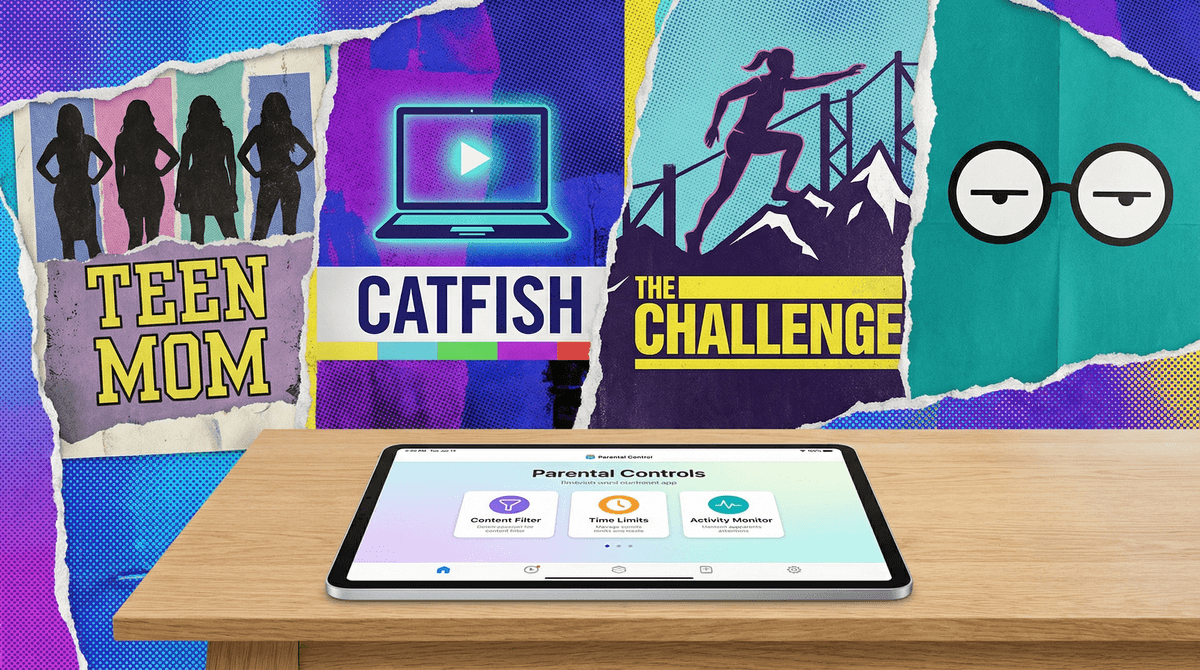
MTV's teen programming comes with TV-14 and TV-MA ratings, but those labels barely scratch the surface. Shows like Teen Mom, Catfish, and 16 and Pregnant deal with real-world issues—pregnancy, relationships, mental health, online deception—in ways that can be both educational and exploitative. The question isn't just "is this appropriate?" but "is my teen ready to process what they're seeing?"
Quick navigation:
- Most MTV reality shows: Ages 15+ (with parent co-viewing recommended)
- Teen Mom franchise: Ages 14+ (great conversation starter about consequences)
- Catfish: Ages 13+ (essential digital literacy content)
- Classic MTV shows (Daria, Clone High): Ages 12-13+
- Current dating shows (Are You The One?): Ages 16+ or skip entirely
MTV stopped being "Music Television" decades ago, and its current programming lineup is almost entirely reality-based content focused on relationships, drama, and young adult life. Unlike scripted teen shows on Netflix or Disney+, MTV's content features real people in real (or heavily produced "real") situations.
This matters because the content ratings system treats reality TV differently than scripted content. A TV-14 rating on an MTV reality show can include content that would push a scripted show into TV-MA territory. Why? Because it's "documentary-style" and therefore considered educational or informative, even when it's clearly produced for entertainment.
The result: MTV's parental advisories are often underselling the actual content.
TV-14: Intended for ages 14+, may contain material unsuitable for children under 14
- What MTV says: Mild sexual content, infrequent strong language, some suggestive dialogue
- What you actually get: Extended discussions of sex, relationship drama with mature themes, bleeped-but-obvious profanity, emotional manipulation, and mental health crises played out on camera
TV-MA: Mature audiences only, specifically designed to be viewed by adults
- What MTV says: Explicit content not suitable for children under 17
- What you actually get: Graphic discussions of sex, uncensored language (in some contexts), substance use, intense conflict and verbal abuse
Here's the kicker: Most MTV teen-focused shows are rated TV-14, not TV-MA. The network knows its audience skews young and rates accordingly.
Official Rating: TV-14
Real Talk: Ages 14+ with serious caveats
These shows follow young mothers navigating parenthood, relationships, and life challenges. The original concept was meant to reduce teen pregnancy by showing the reality of young parenthood. Did it work? Research suggests yes , with teen pregnancy rates dropping significantly during the show's peak years.
What parents should know:
- The shows don't glamorize teen pregnancy, but they do create celebrities out of teen moms, which complicates the message
- Content includes discussions of abortion, adoption, custody battles, domestic violence, substance abuse, and mental health struggles
- Financial stress is a constant theme—good for showing real consequences
- Relationship dynamics often model unhealthy patterns (jealousy, control, verbal abuse)
- Later seasons follow the same cast members into their 20s and 30s, with increasingly adult content
Best use case: Co-viewing with teens 14+ as a conversation starter about relationships, consequences, and life planning. The show works best when parents can pause and discuss what they're seeing.
Official Rating: TV-14
Real Talk: Ages 13+ (actually one of the better options)
Hosts Nev Schulman and Kamie Crawford help people meet their online love interests in person, often revealing deception, catfishing, or complicated truths about online identity.
What parents should know:
- This is genuinely useful digital literacy education disguised as reality TV
- Shows real consequences of online deception and the psychology behind catfishing
- Discusses LGBTQ+ identity, online safety, reverse image searching, and critical thinking about online relationships
- Some episodes involve emotional manipulation or mental health issues
- Language is generally mild (for MTV)
- The hosts model empathy and problem-solving rather than just drama
Best use case: Watch with middle schoolers who are starting to form online relationships or use social media. Use it to discuss how to verify online identities and red flags in online relationships.
Official Rating: TV-14 to TV-MA depending on season
Real Talk: Ages 16+ if at all
A competition show featuring veterans from other reality shows competing in physical and mental challenges. Sounds harmless, right?
What parents should know:
- Heavy drinking is normalized and central to the drama
- Sexual content is frequent and sometimes explicit
- Verbal aggression, bullying, and toxic masculinity are regular features
- Physical challenges can be genuinely dangerous (contestants have been injured)
- The show rewards manipulation, alliance-building, and backstabbing
- Newer seasons have somewhat better handling of consent and harassment, but it's still messy
Best use case: Honestly? Skip it unless your teen is 16+ and you're comfortable discussing toxic relationship dynamics and the ethics of reality TV production.
Official Rating: TV-14
Real Talk: Ages 16+ only, maybe not even then
A dating show where contestants try to find their "perfect match" based on compatibility algorithms. The show includes extensive discussions of sex, relationships, and drama.
What parents should know:
- Sexual content is frequent and explicit in discussion
- Alcohol-fueled drama is the entire format
- Models unhealthy relationship patterns (love bombing, jealousy, public confrontations)
- Some seasons have been more progressive (Season 8 featured sexually fluid cast), but the format remains problematic
- Contestants are often in their early 20s, not teens, but the show markets to teen audiences
Best use case: There isn't one. If your 16-year-old is watching, at minimum have conversations about what healthy relationships actually look like.
Classic MTV (The Good Stuff)
Daria, Clone High, and older MTV animated content is actually pretty solid for ages 12-13+. Smart, satirical, and genuinely funny without relying on reality TV exploitation.
1. Parasocial Relationships and Celebrity Culture
MTV reality shows create celebrities out of regular people, and teens form intense parasocial relationships with cast members. They follow them on Instagram, TikTok, and Twitter, consuming content that goes far beyond what airs on TV. The show might be TV-14, but the cast member's OnlyFans or uncensored social media definitely isn't.
2. Mental Health Exploitation
Reality TV often captures people at their lowest moments—breakups, fights, mental health crises—and packages it as entertainment. Teens watching may not have the context to understand that producers are creating and manipulating these situations, or that cast members are often struggling with real mental health issues.
3. The "It's Educational" Trap
Just because a show deals with real issues doesn't make it educational. Teen Mom might show the challenges of young parenthood, but it also creates a distorted view where teen parents become wealthy influencers. The lesson gets muddy fast.
4. Consent and Privacy
Many MTV shows feature people who agreed to be filmed during vulnerable moments. Teens watching may not grasp the complexity of consent in reality TV—that people can regret their participation, that editing can distort reality, or that cast members are often manipulated by producers.
Ages 10-12: Skip MTV entirely. If they're interested in reality TV, try The Great British Baking Show or Lego Masters instead.
Ages 13-14: Catfish with co-viewing is genuinely useful. Teen Mom only if you're prepared for extensive conversations about sex, relationships, and consequences. Most other MTV content should wait.
Ages 15-16: More MTV content becomes accessible, but co-viewing and discussion are essential. This is the age to talk about how reality TV is produced, editing, and the difference between "reality" and reality.
Ages 17+: Your teen can probably handle most MTV content, but that doesn't mean it's worth their time. Have honest conversations about what they're getting out of it and whether it's reinforcing healthy or unhealthy ideas about relationships, success, and life.
Red flags that your teen isn't ready:
- Mimicking relationship drama or manipulation tactics from shows
- Forming intense parasocial relationships with cast members
- Believing the "reality" without questioning production or editing
- Increased anxiety about their own life compared to cast members
- Normalizing unhealthy behaviors (excessive drinking, verbal abuse, toxic relationships)
Green flags that they're processing it well:
- Asking critical questions about what they're watching
- Recognizing production and editing techniques
- Discussing the ethics of reality TV
- Using shows as a springboard for conversations about real issues
- Maintaining perspective that this is entertainment, not a life guide
Instead of: "You can't watch that, it's trash."
Try: "I'm curious what you like about this show. What do you think about how they handle [specific situation]?"
Instead of: Banning MTV entirely
Try: Co-viewing specific shows and using them as conversation starters
Instead of: Trusting the TV-14 rating
Try: Watching an episode yourself first or reading detailed episode guides
Instead of: Assuming they'll figure out it's produced
Try: Actively discussing how reality TV works and what's real vs. scripted
If your teen is drawn to MTV's content, consider these alternatives that cover similar themes with less exploitation:
For relationship content:
- Love on the Spectrum (Netflix) - Genuine, heartwarming dating show
- Queer Eye (Netflix) - Life makeovers with emotional depth
For real-life challenges:
- Survivor (CBS) - Competition without the toxic relationship drama
- The Great British Baking Show (Netflix) - Competition with kindness
For social issues:
- Documentary series on Netflix or Hulu that tackle real issues without the reality TV exploitation
MTV's parental advisory ratings are technically accurate but practically useless. A TV-14 rating doesn't tell you that you're about to watch extended discussions of teen pregnancy, online deception, or relationship abuse. It doesn't warn you that your teen will follow cast members on social media and consume far more content than what airs on TV.
The rating system assumes parents will do their homework. So do your homework. Watch episodes yourself. Read detailed reviews. Talk to your teen about what they're watching and why. Use shows like Catfish as digital literacy education. Use Teen Mom as a conversation starter about consequences and life planning.
But also recognize that most MTV content isn't designed for education or growth—it's designed to create drama, drive engagement, and sell advertising. That doesn't make it evil, but it does mean you need to be intentional about whether and how it fits into your family's media diet.
-
Check what they're already watching: Ask your teen which MTV shows they watch or want to watch. Don't assume you know.
-
Watch an episode yourself: You can't make informed decisions based on ratings alone. Watch what they're watching.
-
Set up co-viewing: For shows you're comfortable with, watch together and pause for discussion. Make it a conversation, not a lecture.
-
Discuss production: Help your teen understand how reality TV is made
and how editing shapes narrative. -
Monitor social media: The show is just the beginning. Cast members' social media often contains more mature content than the show itself.
-
Keep talking: This isn't a one-time conversation. As your teen matures and shows evolve, keep checking in about what they're watching and what they're getting from it.
Reality TV isn't going anywhere, and MTV will keep pushing boundaries while maintaining teen-friendly ratings. Your job isn't to shield your teen from all of it—it's to help them become critical consumers who can recognize exploitation, question what they're seeing, and understand the difference between reality TV and reality.