

Look, representation matters. And when it comes to Cuban characters in mainstream movies, the landscape has been... let's say sparse. But there are some genuinely good films out there that feature Cuban stories, Cuban-American experiences, and Cuban characters that go beyond the tired stereotypes of cigars and salsa music.
We're talking about movies that can help your kids (and honestly, you too) understand Cuban culture, the immigrant experience, identity struggles, and what it means to be part of the Cuban diaspora. Some are documentaries, some are animated, some are dramas — but they all offer something worth watching and talking about.
Here's the thing: if your kids only see one-dimensional representations of any culture, that's what they'll internalize. Cuban culture is rich, complex, and diverse — shaped by African, Spanish, and indigenous Taíno influences, plus the unique experience of living under a communist regime and the massive diaspora that followed.
For Cuban-American kids, seeing their culture reflected on screen can be validating. For non-Cuban kids, these movies offer a window into experiences different from their own. And in 2026, when so much content is algorithm-fed and personalized to the point of creating cultural echo chambers, intentionally choosing diverse media is more important than ever.
Plus, Latino representation in general has been problematic in Hollywood — often conflating all Latino cultures into one monolithic group. Cuban stories are not Mexican stories are not Puerto Rican stories. The nuances matter.
Encanto (Ages 5+) Okay yes, this is Colombian, not Cuban — but hear me out. It's one of the few mainstream animated films that actually celebrates Latino culture with specificity and care. It's a great starting point for conversations about Latino representation and can lead to discussions about different Latino cultures, including Cuban. The family dynamics, the magical realism, the intergenerational trauma — these themes resonate across Latino cultures.
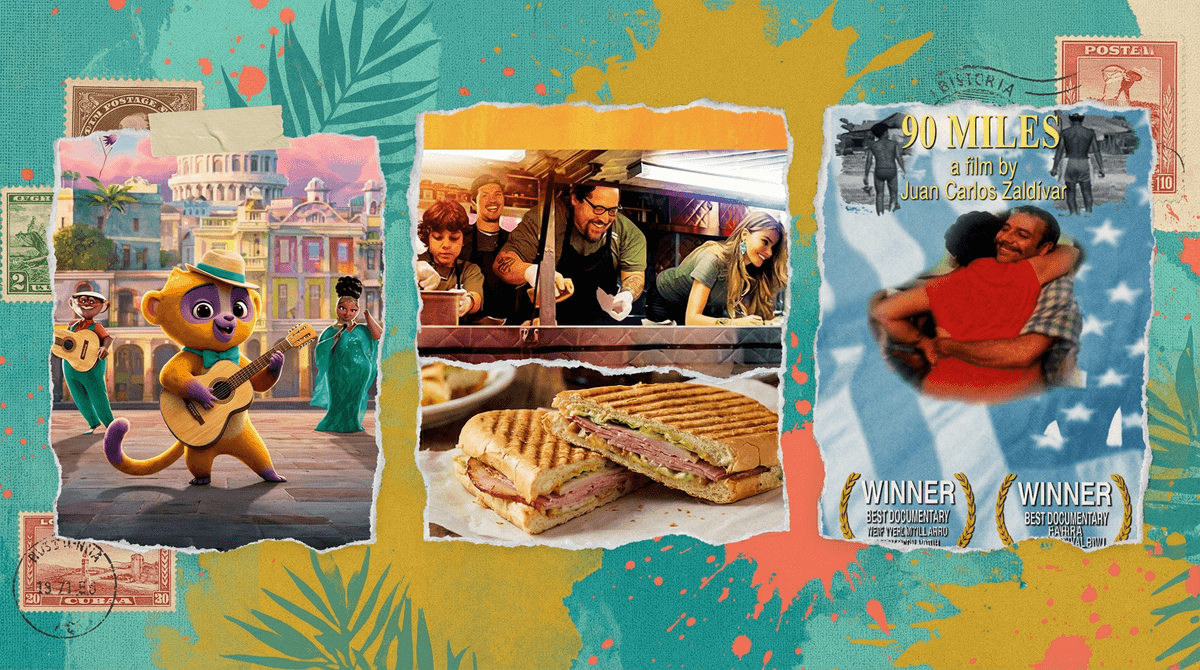
Chef (Ages 10+) Jon Favreau's feel-good film features a Cuban sandwich food truck and explores Cuban-American culture through food. It's not about being Cuban, but the Cuban identity of the main character (played by Favreau, which... yeah, we'll get to that) is woven throughout. The father-son relationship is genuinely sweet, and it's a good entry point for talking about cultural identity and food as connection. Just be ready to explain the casting choice.
Vivo (Ages 6+) This animated Netflix film features a kinkajou delivering a love song from Havana to Miami. It's got Lin-Manuel Miranda music, it's colorful, and it actually incorporates Cuban music styles authentically. For younger kids, this is probably your best bet for Cuban representation that's age-appropriate and engaging.
The Lost City of Z — wait, wrong list.
90 Miles (Documentary, Ages 12+) This documentary explores the relationship between Cuban and American baseball players. If you've got a sports-loving kid, this is a great way to talk about the Cuban experience, the draw of the American dream, and what people sacrifice when they leave their homeland.
Let's be real: Hollywood has a Cuban representation problem. There aren't enough movies centering Cuban stories, and when Cuban characters do appear, they're often played by non-Cuban Latino actors (or sometimes, like in Chef, non-Latino actors entirely).
This isn't about being the casting police — it's about helping kids understand that representation means more than just checking a box. It means authentic storytelling, cultural consultants, and giving opportunities to Cuban creators and actors to tell their own stories.
The good news? There are Cuban filmmakers making incredible work — it's just often not getting mainstream distribution. Directors like Ramón Menéndez (Stand and Deliver) and actors like Andy García and Ana de Armas are creating space for more authentic Cuban stories.
Ages 5-8: Stick with animated options like Vivo. The music is catchy, the story is accessible, and you can talk about Cuba as a place with its own culture and music without getting into heavy political or historical context yet.
Ages 9-12: This is when you can start introducing films that deal with immigration, cultural identity, and what it means to be Cuban-American. Chef works here, as do some documentaries if your kid is interested in sports or music.
Ages 13+: Teenagers can handle more complex narratives about the Cuban experience, including the political dimensions. This is when you can explore films that deal with the Cuban Revolution, the Mariel boatlift, and the ongoing tensions between Cuba and the U.S.
Context is everything. You can't really talk about Cuban representation without talking about the Cuban Revolution, Fidel Castro, communism, and the massive exodus of Cubans to the U.S. (especially to Miami). Your kids will have questions. Be ready with age-appropriate answers.
The Cuban-American experience is not monolithic. First-generation immigrants who fled Castro's regime have very different perspectives than third-generation Cuban-Americans. Some families are still deeply connected to Cuba; others have no relationship with the island. These differences show up in how Cuban characters are portrayed.
Food is culture. Cuban cuisine is a huge part of Cuban identity — black beans and rice, ropa vieja, Cuban sandwiches, café con leche. Movies that feature Cuban food are doing cultural work, even if it seems like just a background detail.
Music matters. From son cubano to salsa to reggaeton, Cuban music has influenced global culture. Pay attention to the soundtrack choices in these films — they're often doing heavy lifting in terms of cultural authenticity.
After watching a movie with Cuban characters, try these conversation starters:
- "What did you notice about how the characters talked about where they came from?"
- "Did this movie teach you anything new about Cuban culture?"
- "How do you think the experience of the Cuban characters was similar to or different from our own family's experience?"
- "What questions do you have about Cuba or Cuban-Americans?"
For older kids, you can get into meatier discussions:
- "Why do you think there aren't more movies about Cuban people?"
- "Do you think the actors playing these characters should be Cuban? Why or why not?"
- "What's the difference between representation and tokenism?"
Movies with Cuban characters are hard to find, and that's part of the conversation. The scarcity itself is worth discussing with your kids — why are some stories told more than others? Who gets to tell them? What does authentic representation look like?
In the meantime, seek out the films that do exist, support Cuban creators when you can, and use these movies as jumping-off points for bigger conversations about culture, identity, and representation. Your kids are growing up in a more diverse world than previous generations — giving them the tools to think critically about media representation is part of preparing them for it.
Want to explore more? Check out movies with diverse Latino representation or how to talk to kids about representation in media . And if you're looking for more family movie options that celebrate different cultures, Screenwise can help you find age-appropriate picks that align with your values.