

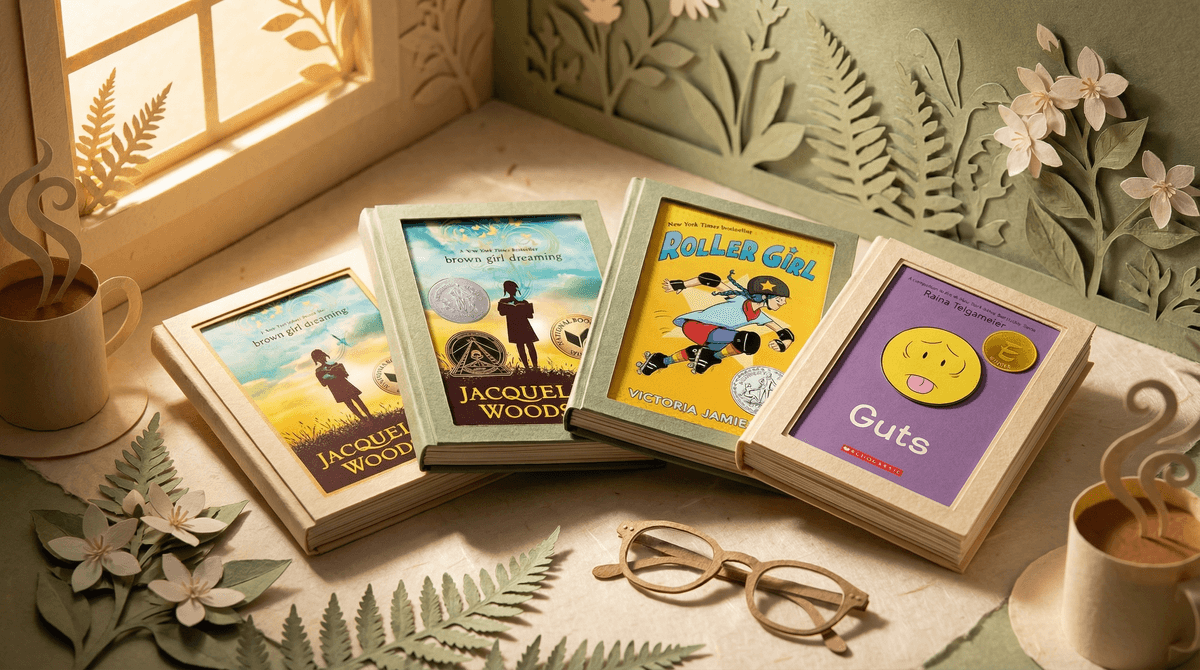
Look, I get it. Between coordinating schedules, managing screen time battles, and trying to get anyone to look up from their phone at dinner, the idea of starting a book club might sound like adding another thing to an already overflowing plate. But here's the thing: a mother-daughter book club isn't just about reading books together. It's about creating a recurring, judgment-free space where you can talk about the hard stuff—identity, friendship drama, body image, social media pressure—without it feeling like a Big Serious Talk.
The format is simple: pick a book, read it (or listen to it—audiobooks count!), and then get together to discuss. Some families do it one-on-one, others join with friends to create a mini community. Either way works. The magic isn't in the structure; it's in the consistent, low-pressure connection that happens when you're both reacting to the same story.
Screenwise Parents
See allAnd honestly? In an era where kids are getting their narratives from TikTok and YouTube shorts, there's something powerful about slowing down and experiencing a longer-form story together. It's a natural antidote to the fragmented, algorithm-driven content that dominates their feeds.
The genius of a mother-daughter book club is that it removes the "eat your vegetables" energy from reading. You're not assigning homework—you're sharing an experience. And when you're both reading the same book, you're on equal footing. Your daughter gets to see you react, question, maybe even struggle with themes or characters. That vulnerability is huge.
Also, let's be real: a lot of middle-grade and YA books are genuinely excellent. Like, stay-up-past-your-bedtime-ugly-crying excellent. You're not suffering through this. Many of these books tackle complex themes—mental health, systemic injustice, first love, grief—with more nuance than most adult fiction.
For reluctant readers, the social element helps. Knowing you'll discuss it creates gentle accountability. And if reading feels like too much? Start with graphic novels or audiobooks. Raina Telgemeier's books like Smile or Guts are perfect gateway reads—engaging, emotionally resonant, and quick.
Ages 8-10: Building Empathy and Friendship Skills
Wonder by R.J. Palacio - This one's a classic for a reason. It's about Auggie, a kid with facial differences starting mainstream school for the first time. The multiple perspectives help kids (and adults) practice seeing situations from different angles. Great for talking about kindness, bullying, and what it means to be a good friend.
Ivy Aberdeen's Letter to the World by Ashley Herring Blake - A beautiful story about a girl processing her feelings after a tornado destroys her home, while also navigating her first crush on another girl. It's gentle, age-appropriate, and opens the door to conversations about identity and family acceptance.
The Vanderbeekers of 141st Street by Karina Yan Glaser - A warm, funny story about a big, diverse family fighting to stay in their Harlem brownstone. Perfect for discussing community, problem-solving, and sibling dynamics.
Ages 11-13: Identity, Social Dynamics, and Growing Up
The Hate U Give by Angie Thomas - This is the one that will wreck you both (in the best way). Starr witnesses her friend's death at the hands of police and has to navigate code-switching between her mostly-Black neighborhood and her mostly-white prep school. It's intense, but it's also essential. Be ready for big conversations about race, justice, and finding your voice.
Ghost by Jason Reynolds - A kid with a traumatic past joins a track team and learns to channel his pain productively. Reynolds writes with such authenticity about kids dealing with hard stuff. Great for discussing trauma, mentorship, and second chances.
Roller Girl by Victoria Jamieson - A graphic novel about a girl who joins a roller derby league while her best friend chooses ballet camp instead. It's about growing apart from childhood friends and finding yourself. The format makes it accessible, and the themes hit hard.
Brown Girl Dreaming by Jacqueline Woodson - A memoir in verse about growing up Black in the 1960s and 70s. It's lyrical, moving, and opens up conversations about family history, the Civil Rights Movement, and finding your voice as a writer.
Ages 14+: Complex Themes and Real Talk
The Poet X by Elizabeth Acevedo - Another novel in verse (seriously, don't sleep on verse novels—they're powerful and quick reads). Xiomara is a Dominican-American teen in Harlem navigating strict parents, her changing body, first love, and finding her voice through slam poetry. The audiobook, read by the author, is absolutely phenomenal.
Speak by Laurie Halse Anderson - A difficult but important book about a girl who becomes a social outcast after calling the cops at a party—because she was assaulted. It's about trauma, silence, and eventually finding the courage to speak your truth. Have tissues ready and be prepared to talk about consent and supporting survivors.
Everything I Never Told You by Celeste Ng - This one's more for older teens and their moms. A Chinese-American family grapples with the death of their daughter, uncovering secrets and misunderstandings. It's a masterclass in how families can love each other deeply while still failing to truly see each other.
Educated by Tara Westover - A memoir about a woman who grows up in a survivalist family in Idaho with no formal education, then eventually earns a PhD from Cambridge. It's about the power of education, family loyalty versus personal growth, and defining success on your own terms.
Here's the practical stuff:
Set a realistic pace. One book a month is ambitious. Every 6-8 weeks is more sustainable. You're not trying to win a reading competition; you're trying to create connection.
Let them have input. Alternate who picks the book, or create a shortlist together and vote. Ownership matters.
Discussion doesn't have to be formal. You can talk while making dinner, on a walk, or during a dedicated "book club night" with snacks. Whatever works for your family.
Use prompts if you get stuck. "Which character would you want as a friend?" "What would you have done differently?" "Did anything surprise you?" "What do you think the author wanted us to think about?"
Don't force it if the book isn't working. Sometimes you pick a dud. It's okay to bail and try something else. The goal is connection, not completion.
A mother-daughter book club isn't about creating perfect literary analysts. It's about building a habit of shared experience and creating a safe space for conversations that might otherwise never happen. In a digital landscape where kids are constantly consuming content designed to hijack their attention and monetize their insecurity, books offer something radically different: time to think, space to feel, and stories that respect their intelligence.
Plus, when your daughter inevitably encounters something difficult—a friendship breakup, online drama, questions about who she is and who she wants to be—she'll already have practice talking through complex emotions with you. That foundation? Priceless.
Ready to start? Pick one book from the list above that feels right for your daughter's age and interests. Order it (or download it), and propose the idea casually: "Hey, I heard about this book and thought it sounded interesting. Want to read it together and talk about it?" Keep it low-pressure. See what happens.
And if you want more personalized recommendations based on what your kid is already into, get book recommendations about books similar to their current favorites. Sometimes the best gateway into reading is finding something that connects to what they already love.