

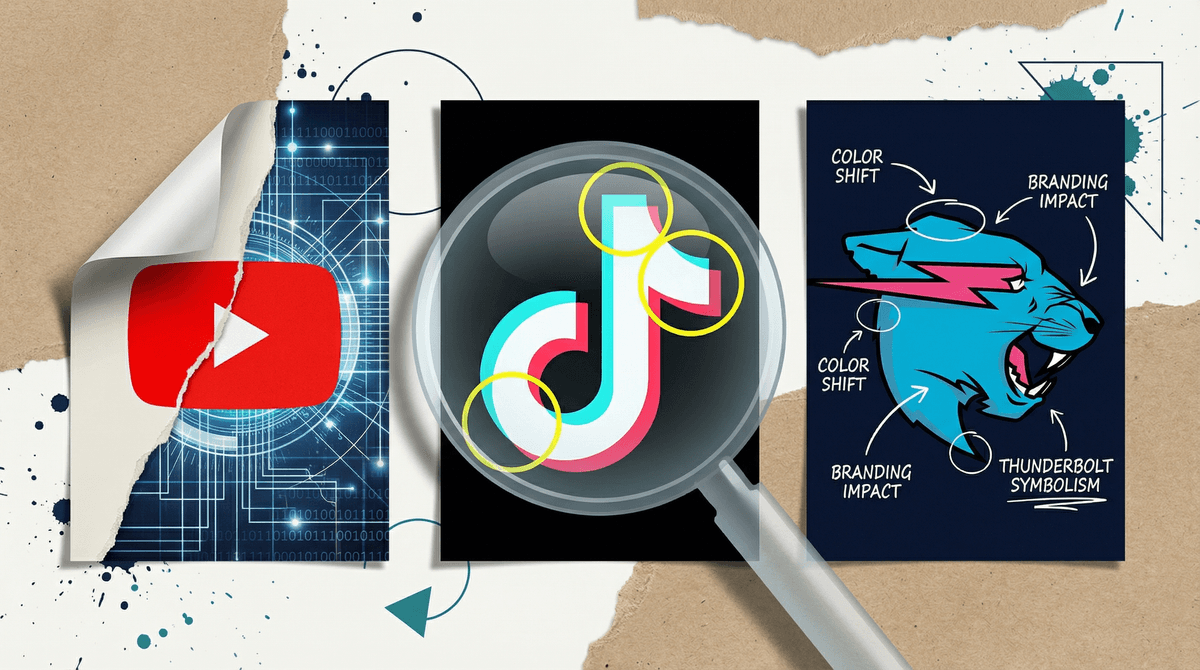
Media literacy is basically teaching kids to be critical thinkers about everything they consume on screens. Not in a "TV will rot your brain" way, but in a "let's understand what we're watching and why" way.
It's the difference between a kid passively absorbing MrBeast videos and a kid who can recognize "wait, this is designed to keep me watching" or "this challenge seems kind of exploitative actually."
Think of it like teaching kids to read, but for the digital age. You wouldn't just hand a kid a book and say "good luck!" You teach them how letters work, how to sound out words, how to understand what they're reading. Media literacy does the same thing for screens.
Here's the thing: you cannot protect your kids from all media forever. Even if you're running the tightest ship in the world, they're going to encounter content at friends' houses, at school, eventually on their own devices.
The research on this is actually pretty compelling. Studies show that kids who receive media literacy education are better at:
- Recognizing advertising and persuasion techniques
- Identifying misinformation and clickbait
- Understanding how algorithms work to keep them engaged
- Questioning the motivations behind content
- Recognizing when content is designed to make them feel inadequate
One study from Stanford found that middle schoolers who went through media literacy training were significantly better at identifying sponsored content and understanding bias in news sources. Another showed that teens with media literacy education were less likely to share misinformation online.
But here's what really matters: kids with media literacy skills report feeling more in control of their media consumption. They're not just passive consumers. They're active, critical thinkers.
This isn't about sitting your kid down for a lecture about "the dangers of the internet." It's about building habits of questioning and analyzing.
For younger kids (ages 5-8):
- "Why do you think they showed that toy in this video?"
- "How do you think this character is feeling? How do you know?"
- "What do you notice about how this game tries to get you to keep playing?"
For middle elementary (ages 8-11):
- "Who made this content? What do you think they want you to do or feel?"
- "What's real in this video and what's edited or fake?"
- "Why do you think this video has so many views? What makes it shareable?"
For tweens and teens (ages 11+):
- "What's this creator's business model? How do they make money?"
- "What perspective is missing from this story?"
- "How might this algorithm be shaping what you see?"
- "What's the difference between someone's online persona and their real life?"
The key is making it conversational, not interrogational. You're genuinely curious together, not testing them.
One of the most effective media literacy strategies is also the simplest: watch stuff with your kids and talk about it.
Not every single thing, obviously. But regularly enough that you know what they're consuming and can ask good questions.
When you're watching Bluey with a younger kid, you can talk about how the show handles conflict and feelings. When you're watching a YouTuber with your tween, you can point out product placements or discuss whether a prank video is actually funny or just mean.
This doesn't mean you need to become an expert in every corner of kid culture (though honestly, understanding why kids say "Ohio" about everything weird does help). It means being present and curious.
One of the most powerful media literacy lessons is helping kids understand that most of what they consume is designed to make money.
This isn't cynical—it's just true. And kids can handle this truth.
Explain how YouTube creators make money from ads and sponsors. Show them how Roblox is designed to encourage Robux purchases. Talk about how Netflix uses autoplay to keep you watching.
When kids understand the "why" behind design choices, they become more conscious consumers. They can still enjoy the content, but they're not being manipulated by it.
By age 10 or 11, kids should understand what an algorithm is and how it works. Not the technical details, but the basic concept: platforms show you more of what you engage with.
This is huge for media literacy because it helps kids understand:
- Why their feed looks different from their friend's feed
- How they can get stuck in content bubbles
- Why platforms benefit from keeping them engaged (even if the content isn't great for them)
- How to actively shape what they see instead of just passively consuming
You can demonstrate this in real time. Show them how watching one type of video leads to recommendations for similar content. Talk about how TikTok's algorithm learns what keeps them scrolling.
Media literacy isn't a one-time conversation. It's an ongoing practice that evolves as your kids grow and as technology changes.
The good news? You don't need to be a tech expert to teach media literacy. You just need to be willing to ask questions, think critically alongside your kids, and model the behavior you want to see.
Some of the best media literacy education happens in tiny moments:
- Pointing out a sponsored post while scrolling Instagram together
- Asking "do you think that's real or edited?" about a viral video
- Discussing why a game keeps sending notifications
- Talking about how a movie made you feel and why
Media literacy education works because it gives kids agency. Instead of trying to control every piece of content they consume (impossible), you're teaching them to think critically about what they're consuming (sustainable).
Kids who understand how media works, who can identify persuasion techniques, who recognize when content is designed to manipulate them—these kids are better equipped to navigate the digital world. Not perfectly, but more confidently.
And honestly? These are life skills that will serve them well beyond childhood. Critical thinking, questioning sources, understanding bias—these matter for college, careers, citizenship, everything.
Start small:
- Pick one show or game your kid loves and watch/play it with them this week
- Ask three genuine questions about it (not in a testing way, in a curious way)
- Point out one advertising or persuasion technique you notice together
Go deeper:
- Check out Common Sense Media's media literacy resources
- Have a conversation about how YouTube's algorithm works
- Start a family habit of "media moments"—brief conversations about something interesting you noticed in content
The goal isn't perfection. It's progress. And every conversation you have is building your kid's critical thinking muscles for the digital world they're growing up in.