

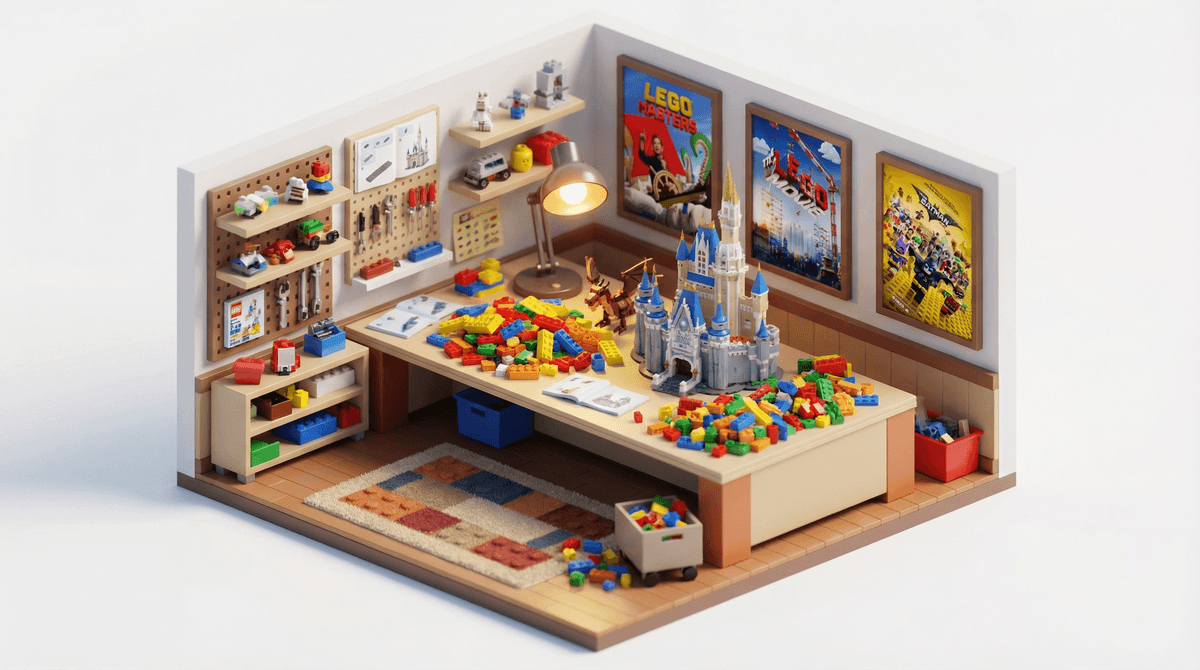
LEGO Masters is a reality competition show where teams of builders create increasingly ambitious LEGO creations under time pressure, judged by expert builders and celebrity hosts. The format originated in the UK and has been adapted in multiple countries, with the US version hosted by Will Arnett (yes, the voice of LEGO Batman) and judged by LEGO expert Jamie Berard and brick master Amy Corbett.
Each episode features a different challenge—build a bridge that can hold weight, create a structure that survives an earthquake simulator, design a functioning roller coaster, or construct a massive storytelling scene. The builds are genuinely impressive, often using tens of thousands of pieces and taking hours to complete. It's basically the Great British Bake Off, but with plastic bricks instead of pastries.
The show airs on Fox in the US, with past seasons available on Hulu and other streaming platforms. It's rated TV-PG and genuinely family-friendly—no manufactured drama, minimal conflict, just people being creative and supportive while building cool stuff.
If your kid is already into LEGO, this show hits differently than most competition TV. They're watching people do what they dream about doing, just at a scale that seems impossible. The builds are genuinely inspiring—a working LEGO arcade, a life-size car that actually drives, elaborate fantasy worlds that look like they belong in a museum.
The show validates their hobby in a way that matters. When kids spend hours building something intricate, they're often told they're "just playing with toys." LEGO Masters shows adults taking building seriously, treating it as a legitimate skill and art form. That recognition matters to kids who feel like their passion isn't understood.
The challenges also spark ideas. After watching an episode about building tall structures, expect your kid to raid every LEGO bin in the house to test engineering principles. The show basically functions as a creativity accelerator—they see a technique or concept and immediately want to try it themselves.
The Good Stuff
It's actually educational. Kids are absorbing lessons about engineering, physics, structural integrity, problem-solving under pressure, and creative collaboration. When a bridge collapses on the show, they're learning why. When a build survives the earthquake test, they're seeing which architectural choices made the difference.
The tone is refreshingly positive. Unlike many competition shows, LEGO Masters doesn't thrive on conflict or meanness. Contestants help each other, judges give constructive feedback, and eliminations are handled with genuine respect. It models healthy competition and good sportsmanship.
It promotes actual hands-on play. In a world where so much kids' content is about consuming more content, LEGO Masters inspires kids to turn off screens and build something themselves. That's a win.
The Catch (Because There's Always a Catch)
It will absolutely make them want more LEGO. And LEGO is not cheap. After watching an episode featuring a massive castle build, your kid will suddenly "need" that $350 LEGO Harry Potter Hogwarts Castle set they saw at Target. The show is essentially two hours of LEGO advertising, even if that's not the explicit intent.
The scale can be intimidating or frustrating. Some kids watch these massive builds and feel inspired. Others feel discouraged because their collection is 500 pieces, not 50,000. If your kid tends toward perfectionism or gets frustrated when their creations don't match their vision, the show might create unrealistic expectations.
Time pressure creates tension. While the show isn't mean-spirited, there's still the stress of watching builds potentially fail or contestants running out of time. Younger or more sensitive kids might find the elimination aspect upsetting, even though it's handled gently.
Ages 5-7: They'll love watching the builds come together, but might not follow the competition format or understand why people get eliminated. The time pressure and potential for builds to fail might be stressful. Watch together and be ready to explain what's happening and reassure them that it's okay when things don't work out.
Ages 8-11: This is the sweet spot. They understand the competition, can follow the technical challenges, and are at an age where they're developing their own building skills. They'll likely want to try techniques they see on the show. Just manage expectations around the scale of what's possible with a home collection.
Ages 12+: They'll appreciate the technical complexity and might start thinking about LEGO building more seriously as a hobby or even potential career path (yes, professional LEGO designers are a thing). They might also enjoy the behind-the-scenes aspects and start analyzing building strategies.
Let's be real: this show will make your kid want to spend money. Here's how to handle it without either breaking the bank or crushing their enthusiasm:
Set a LEGO budget. Whether it's birthday money, allowance, or a monthly family budget for building supplies, having a clear number helps. They can save up for bigger sets or buy smaller ones more frequently—their choice teaches financial planning.
Emphasize creative building over sets. The builders on LEGO Masters aren't following instructions—they're creating original designs. Bulk LEGO bricks are much cheaper than licensed sets. A big bin of mixed pieces encourages the kind of creative building the show actually celebrates.
Use the library. Many libraries have LEGO collections kids can use, and some even host building clubs. It's free building time without the home storage problem.
Sell or trade sets they've outgrown. LEGO holds value remarkably well. Used sets and even loose bricks can be sold or traded, making room and budget for new interests.
Learn more about managing kids' spending on hobbies and in-app purchases
LEGO Masters is one of the better things your kid could be watching. It's creative, educational, genuinely family-friendly, and inspires hands-on building rather than passive consumption. Yes, it'll make them want more LEGO, but that's a pretty manageable problem in the grand scheme of what kids could be asking for.
The show works best when you watch it together and then actually build something afterward—even if it's just a simple creation with whatever pieces you have lying around. The point isn't matching the scale of what's on TV; it's embracing the creative problem-solving and building process.
If your kid is already into Minecraft, Roblox, or other creative building games, LEGO Masters bridges digital and physical play in a healthy way. And honestly? It's entertaining enough that you might find yourself genuinely interested in whether that suspension bridge is going to hold 1,000 pounds.
Want to explore more creative shows and activities? Screenwise can help you find age-appropriate content that aligns with your family's values and understand what other families in your community are watching. Take the Screenwise survey to get personalized recommendations based on your kid's age and interests.
Curious about other building-focused games and shows? Check out our guides on Minecraft, Roblox, and other creative platforms that encourage the same problem-solving skills as LEGO Masters.