

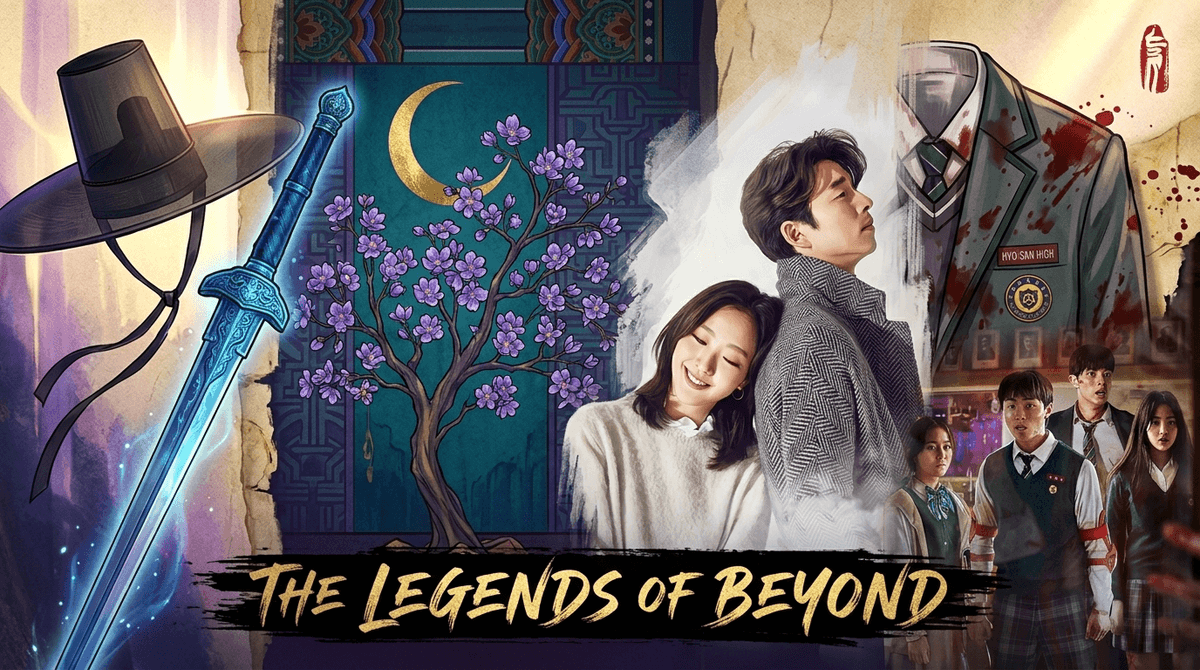
TL;DR: The Cheat Sheet for Supernatural K-Dramas
If your teen is suddenly obsessed with "Grim Reapers," "Gumiho," or high schools infested with zombies, they’ve officially entered the world of Korean supernatural dramas. These shows are high-budget, emotionally intense, and visually stunning.
The Quick Recommendations:
- Best for Fantasy Romance (Ages 13+): Goblin (Guardian: The Lonely and Great God)
- Best for Spooky Vibes & Aesthetics (Ages 14+): Hotel Del Luna
- Best for Action & World-Building (Ages 14+): Alchemy of Souls
- Best for Horror Fans (Ages 16+ - Warning: Very Violent): All of Us Are Dead
- Best for Super-Powered Teens (Ages 15+): Moving
Find K-Dramas similar to your teen's favorite US shows
If you’ve walked past your teen’s room lately and heard the frantic clicking of subtitles or seen a character on screen crying beautifully while a ghost hovers in the background, welcome to the Hallyu wave. Specifically, the supernatural corner of it.
K-Dramas (Korean dramas) have moved far beyond a niche interest. They are a massive part of teen digital culture, fueled by TikTok edits and Netflix algorithms. But when we add the "supernatural" element—think ancient curses, soul-swapping, and reincarnation—things get a little more complex for parents to navigate.
It’s not just "Twilight with subtitles." Supernatural K-Dramas (often called "K-Fantasies") blend traditional Korean folklore with ultra-modern production values. You’ll see characters like the Dokkaebi (a goblin-like deity) or the Gumiho (a nine-tailed fox that can shapeshift).
The plots are often "Ohio-level" weird—like a woman who runs a hotel for dead souls because she committed a crime 1,000 years ago—but they are grounded in heavy themes like grief, redemption, and the "slow-burn" romance that K-Dramas are famous for.
- The "Aesthetic": These shows are gorgeous. The fashion, the cinematography, and the actors themselves are curated for maximum visual appeal. It’s "Pinterest-perfect" television.
- Emotional Intensity: K-Dramas don't do "chill." If someone is sad, they are devastated. If someone is in love, it’s a soul-binding, multi-lifetime commitment. For a teenager riding the waves of puberty, this level of melodrama is deeply relatable.
- The Slow Burn: In a world of 15-second TikTok videos, there’s something weirdly addictive about a show where the main characters don't even hold hands until episode eight. It builds a kind of tension you don't often see in Western media.
- Cultural Exploration: It feels "smarter" than brain-rot content. They’re learning about Korean history, food, and social norms while watching a guy fight monsters with a magic sword.
The Vibe: Epic, poetic, and heartbreaking. The Plot: An immortal goblin needs a "human bride" to end his life, but then he actually falls in love with her. Also, his roommate is a Grim Reaper with amnesia. Parental Note: This is the "gateway drug" for K-Dramas. It’s emotionally heavy and deals with death constantly, but it’s generally clean in terms of physical content. Ages: 13+
The Vibe: Spooky-chic fashion show. The Plot: A cursed, high-fashion woman manages a hotel where ghosts stay before moving on to the afterlife. Parental Note: Some of the ghost makeup can be actually scary (think jump scares), but the focus is more on the "guest's" tragic backstories. Ages: 14+
The Vibe: High-fantasy "Game of Thrones" lite, but with more magic and less... everything else. The Plot: Sorcerers in a fictional country deal with "soul shifting" (putting one person's soul into another's body). Parental Note: Excellent world-building. There’s sword fighting and some blood, but it’s more "fantasy violence" than "gritty realism." Ages: 14+
The Vibe: Modern-day supernatural rom-com. The Plot: A literal demon loses his powers to a cold-hearted heiress and has to work as her bodyguard to get them back. Parental Note: This is very popular on Netflix right now. It’s flashy and funny, though it deals with some darker corporate-intrigue subplots. Ages: 14+
The Vibe: High-octane, brutal survival. The Plot: A zombie virus breaks out in a Korean high school. Parental No-BS Review: This isn't a "fun" supernatural romp. It is incredibly violent, gory, and nihilistic at times. If your kid isn't ready for The Walking Dead, they aren't ready for this. It also features themes of bullying and suicide. Ages: 16+
Check out our guide on the best streaming platforms for K-Dramas
Here is the thing about K-Dramas: they are often "cleaner" than American shows like Euphoria or Gossip Girl when it comes to drugs and sex, but they can be way more intense when it comes to violence and emotional trauma.
- Romance: Even in "mature" K-Dramas, physical intimacy is usually limited to kissing. You won't find the gratuitous hookup scenes common in Western teen media.
- Violence: This is where you need to be careful. Shows like Kingdom (historical zombies) or Sweet Home (monsters) feature extreme gore, dismemberment, and body horror.
- Social Issues: K-Dramas often touch on intense social pressures in Korea, including extreme academic stress, severe bullying, and class disparity. These can be heavy conversation starters.
If your teen is diving deep into this world, use it as a bridge for conversation rather than a "screen time" battle.
1. The "Binge" Factor K-Drama episodes are often 70–90 minutes long, and a standard season is 16 episodes. Because the plots are serialized (one long story rather than "monster of the week"), it is incredibly hard for teens to stop mid-arc. Next Step: Instead of "turn it off in 5 minutes," try "finish this episode and then we're done."
2. Subtitles vs. Dubbing Most fans prefer subtitles ("subs") over English dubbing ("dubs"). Honestly? This is a win. They are practicing fast-paced reading comprehension for hours on end. If they tell you they're "studying," they're technically not lying—many kids pick up basic Korean phrases through these shows.
3. Cultural Nuance Supernatural K-Dramas often lean on the concept of "Han" (a uniquely Korean sense of collective grief/resentment) and "Karma." How to talk about it: Ask them, "Why is the ghost so angry?" or "What does the main character have to do to make up for what they did in their past life?"
Learn more about how K-Dramas handle mental health and bullying
Supernatural K-Dramas are generally a "high-quality" media choice. They offer complex storytelling and a break from the mindless scrolling of short-form video content.
As long as you’re vetting for violence (which can escalate quickly in the horror-leaning titles), these shows provide a great way for teens to explore different cultural perspectives and high-level themes of morality and sacrifice.
Next Steps for Intentional Parents:
- Check the Rating: Don't assume "supernatural" means "Disney magic." Check the specific Netflix or Viki rating.
- Watch Episode 1 Together: The first episode of a K-Drama is usually a cinematic masterpiece. Sit down for 75 minutes and see what the hype is about.
- Ask About the Folklore: If they’re watching a show like Tale of the Nine Tailed, ask them what a Gumiho is. Let them be the expert.