The aesthetic is the hook
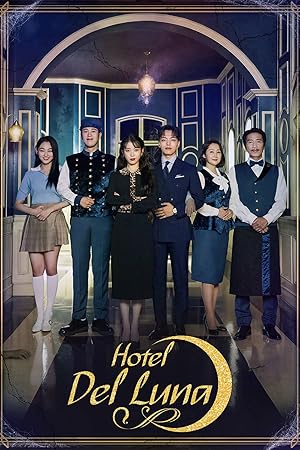
If you're coming for a casual ghost story, you're in the wrong lobby. This show is a spectacle. The production design doesn't just support the story; it frequently outshines it. The lead actress, playing the ancient and ill-tempered Jang Man-wol, undergoes about half a dozen high-fashion costume changes per episode. It’s "dark academia" meets "runway couture." For a teen who spends their time on Pinterest or TikTok looking at "vibes," this show is a goldmine.
But the beauty is a mask for some genuinely gnarly imagery. Unlike Western shows that might lean on CGI monsters, this uses classic K-horror tropes: pale skin, unnatural movements, and spirits that look exactly how they died. If your kid is sensitive to "jump scares" or body horror, the first episode alone will tell you if they can handle it. It’s closer to The Ring than Beetlejuice.
More than a "Ghost of the Week"
The structure is episodic, but the emotional stakes are cumulative. Each ghost checking into the hotel has a "grudge" or "unresolved business" to settle before they can move on to the afterlife. It’s a clever way to explore heavy topics like betrayal, systemic injustice, and grief without feeling like a lecture.
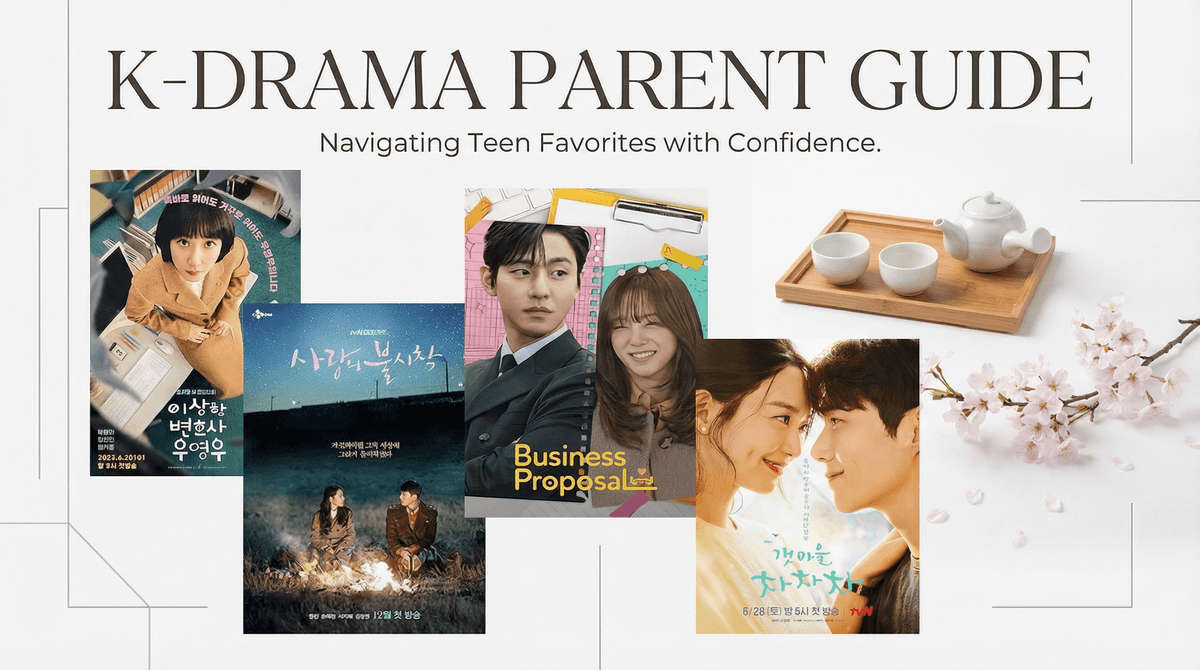
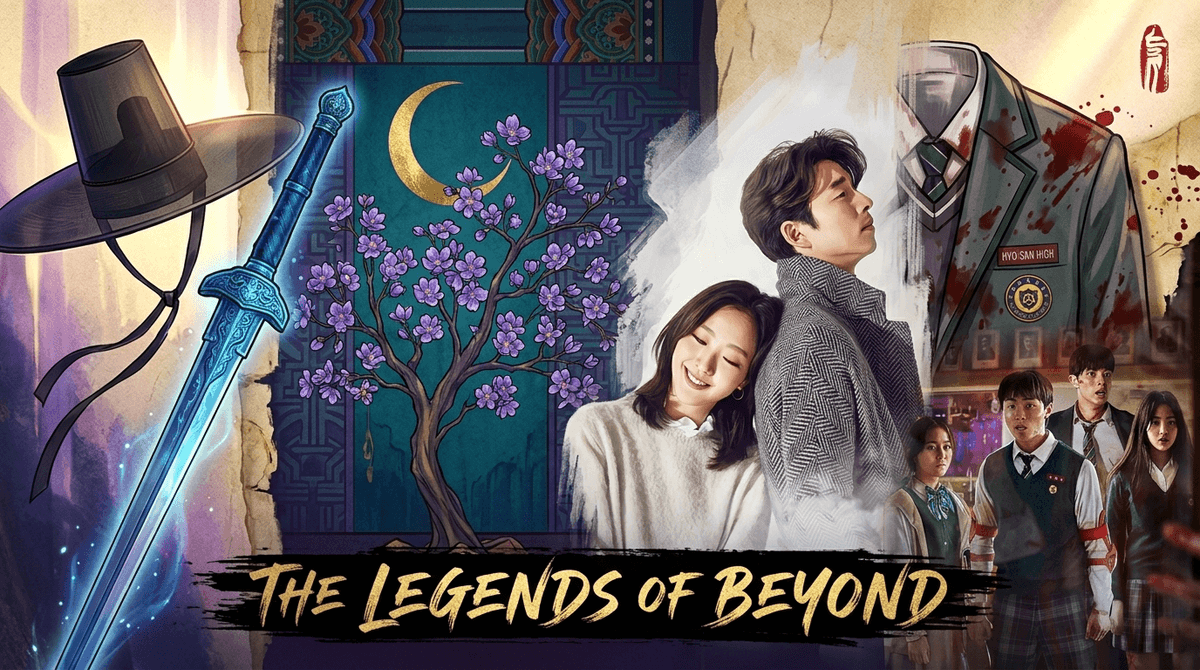
The show handles these stories with a surprising amount of pathos. You’ll go from laughing at a ghost who refuses to leave because they didn't finish a delicious meal to watching a heartbreaking sequence about a mother’s regret. If you're looking for a way to navigate these intense themes with your teen, our guide to supernatural K-dramas can help you frame the conversation around how Korean folklore handles the afterlife differently than Western media.
The "slow-burn" friction
The biggest hurdle for a Western audience isn't the subtitles; it’s the pacing. At 16 episodes that often run over 70 minutes each, this is a massive time commitment. There is a "middle-act sag" where the central romance feels like it’s spinning its wheels.
Speaking of the romance: it’s the most debated part of the show. The chemistry between the leads is polarizing. Some viewers find the "grumpy immortal woman and soft-hearted human man" dynamic charming, while others find it a bit stiff. If your teen is looking for a high-heat romance, they might be disappointed. This is a slow, melancholy burn that prioritizes character growth and forgiveness over "ship" moments.
If the 70-minute runtime feels too daunting for a first foray into the genre, you might want to start with something more streamlined. We’ve curated a list of must-watch K-dramas for 13-year-olds that offer a similar blend of fantasy and heart without the 1,000-year-old baggage.
Why it sticks
Despite the occasional drag in the middle, the ending is unforgettable. It doesn't take the easy way out with a "happily ever after" that ignores the show's own logic about death. It demands a level of emotional maturity from the viewer to accept that "moving on" is a necessary, if painful, part of life.
It’s a great pick for a teen who feels they’ve "outgrown" standard YA fantasy and wants something that looks like a high-end fashion magazine but feels like a gut-punch. Just make sure you have the tissues—and maybe a light on—ready.