

Is Battlefield 6 Too Violent for 13-Year-Olds?
TL;DR: Battlefield 6 (officially called Battlefield 2042) is rated M for Mature (17+) by the ESRB for a reason—intense violence, strong language, and realistic depictions of modern warfare. While some 13-year-olds might be emotionally ready for it, most aren't, and there are significantly better alternatives that scratch the same itch without the graphic content. If your teen is lobbying hard for this one, we've got the full breakdown below plus age-appropriate alternatives that won't have you second-guessing yourself at 2am.
Quick alternatives: Splatoon 3 (colorful team shooter), Overwatch 2 (hero-based combat with fantasy violence), or Fortnite (yes, really—it's significantly less realistic).
Screenwise Parents
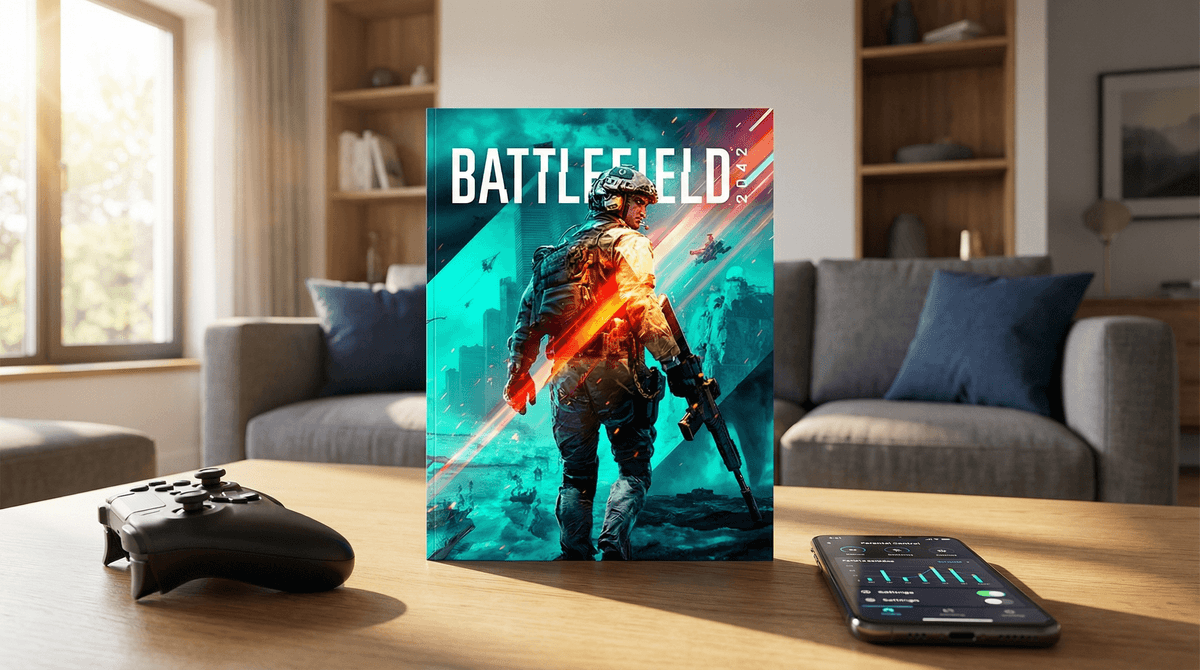
See allFirst, let's clear up the naming confusion. There isn't technically a "Battlefield 6"—the latest entry in the franchise is Battlefield 2042, released in 2021. It's a first-person military shooter developed by DICE and published by EA, set in a near-future world where players engage in large-scale warfare with up to 128 players in massive maps.
The Battlefield series has always been known for its realistic military combat, destructible environments, vehicles (tanks, helicopters, jets), and squad-based gameplay. Unlike Call of Duty, which often leans into faster-paced arcade action, Battlefield emphasizes tactical teamwork and more grounded warfare simulation.
The ESRB slapped an M rating on Battlefield 2042 for Blood, Strong Language, and Violence. Here's what that actually means in practice:
Violence: This isn't cartoon violence. Players shoot other players with realistic modern weapons—assault rifles, sniper rifles, explosives, grenades. When you hit someone, there's blood spatter. When players die, bodies ragdoll realistically. You're not shooting aliens or robots—you're shooting human soldiers in combat scenarios that mirror real-world military conflicts.
Blood: While not gratuitously gory like some games, there is visible blood when shooting enemies. It's not Mortal Kombat-level brutality, but it's present and noticeable.
Strong Language: The in-game voice chat and text chat are where things get dicey. The game itself has some profanity, but the real concern is the unmoderated player communication. Your 13-year-old will be exposed to everything from casual swearing to genuinely toxic behavior, slurs, and harassment. This is standard for online multiplayer shooters, but it's worth acknowledging.
Realism: The game simulates modern military combat with realistic weapons, uniforms, and scenarios. For some kids, this hits differently than fantasy violence because it mirrors actual warfare they might see on the news.
The M rating says 17+, but we all know plenty of teens play M-rated games younger than that. So let's get real about the actual considerations:
Emotional maturity: Can your kid distinguish between game violence and real violence? Do they understand the difference between a competitive game and glorifying warfare? Some 13-year-olds absolutely can; others aren't there yet.
Desensitization concerns: There's legitimate research suggesting that repeated exposure to realistic violence can lead to desensitization, especially in younger adolescents whose brains are still developing. Research on violent video games and kids shows mixed results, but the consensus is that younger teens are more susceptible to these effects than older teens or adults.
Online toxicity: This might actually be the bigger concern than the violence itself. Battlefield's online community can be brutal. Your kid will encounter rage-quitting, verbal abuse, sexism, racism, and general nastiness. If they're not prepared to navigate that toxicity—or if they don't have strong enough boundaries to walk away—it can be genuinely harmful to their mental health.
Social pressure: If "everyone" in their friend group is playing, that's real. Being left out of the social conversation sucks. But also, not everyone is playing—that's often exaggeration. It's worth having an honest conversation about who's actually playing and whether there are alternative games they could play together.
The game itself has issues beyond violence: Battlefield 2042 launched in a rough state and has been controversial even among adult gamers. It's had bugs, server issues, and disappointing content compared to previous entries. Your kid might be begging for it based on YouTube videos of older Battlefield games, not realizing this specific version has been pretty divisive. [Check out parent reviews of Battlefield 2042](https://screenwiseapp.com/media/battlefield-2042-app to see what other families are saying.
Voice chat can be disabled: If you do decide to allow it, you can turn off voice chat and text chat entirely. This removes a huge chunk of the toxicity problem, though it also removes the teamwork coordination aspect that makes Battlefield distinctive.
Time commitment: Matches can run 20-45 minutes. This isn't a "quick game before homework" situation.
Microtransactions: Like most modern EA games, there are cosmetic purchases and a battle pass system. Set clear boundaries about spending before they start playing.
If your 13-year-old wants the large-scale team combat experience without the realistic military violence, here are legitimately good alternatives:
Ages 10+ | Nintendo Switch
This is the best family-friendly alternative to team-based shooters. Players are squid-kids shooting ink instead of bullets, trying to cover the map in their team's color. It has all the strategic depth, teamwork, and competitive intensity of Battlefield without any of the violence concerns. The community is also significantly less toxic.
Ages 13+ | PC, PlayStation, Xbox, Switch
Rated T for Teen, Overwatch features hero-based team combat with a diverse cast of characters using fantasy/sci-fi abilities. Yes, there's combat, but it's stylized and cartoonish—you're playing as a talking gorilla scientist or a time-traveling pilot, not realistic soldiers. The violence is significantly less graphic, and the game emphasizes team coordination and objective-based gameplay similar to Battlefield's squad mechanics.
Ages 13+ | All platforms
I know, I know—Fortnite might feel just as concerning if you're worried about shooter games. But here's the thing: Fortnite's violence is significantly more cartoonish. Players disappear in a flash of light when eliminated, there's no blood, and the whole aesthetic is bright and playful. It also has extensive parental controls you can configure. If your kid wants to play with friends online, Fortnite is a much safer starting point than Battlefield.
Ages 6+ | All platforms
Completely different genre, but hear me out: if what your kid wants is competitive team-based online gameplay, Rocket League delivers that without any violence whatsoever. It's soccer with rocket-powered cars. The skill ceiling is incredibly high, the competitive scene is robust, and the community, while not perfect, is far less toxic than military shooters.
Ages 13+ | PC, PlayStation, Xbox
This co-op shooter has players working together as space dwarves mining asteroids and fighting alien bugs. The violence is against non-human creatures, the game emphasizes cooperation over competition, and the community is notably friendly and supportive. It scratches the "team-based FPS" itch without the realistic military violence.
Some families will decide that their 13-year-old is ready for M-rated content, and that's a valid parenting choice. If you're leaning that direction, here are some guardrails:
Play together first: Watch gameplay videos together or, better yet, play a few matches yourself to see what they'd be exposed to. Don't rely on your kid's description—they'll downplay the intense parts.
Set communication boundaries: Disable voice chat and text chat, at least initially. Revisit after a few months if they want to try team communication.
Check in regularly: Make it clear this is a trial period. Ask specific questions: "Have you seen anything that made you uncomfortable?" "What's the worst thing someone has said in chat?" "How do you feel after playing for an hour?"
Time limits: M-rated shooters can be genuinely addictive. Set clear limits before they start playing, not after it becomes a battle.
Context conversations: Talk about the difference between game violence and real warfare. Discuss why people enjoy competitive shooters without glorifying actual combat. If they're mature enough for the game, they're mature enough for these conversations.
For most 13-year-olds, Battlefield 2042 is not age-appropriate. The M rating exists for a reason, and that reason is that the content is designed for older teens and adults. The realistic violence, toxic online environment, and mature themes make it a poor fit for early adolescence.
That said, every kid is different. Some 13-year-olds have the emotional maturity and media literacy to handle M-rated content with appropriate context and boundaries. Others don't—and that's completely normal and developmentally appropriate.
The good news is there are excellent alternatives that provide the same competitive team-based gameplay without the realistic violence and toxic communities. Splatoon 3, Overwatch 2, and even Fortnite offer compelling multiplayer experiences that are significantly more age-appropriate.
If your teen is pushing back hard, that's an opportunity for a real conversation about why they want to play it, what appeals to them about it, and whether there are alternative games that meet those same needs. Sometimes kids are advocating for a specific game because they don't know the alternatives exist.
- Check out alternatives to violent shooters for teens for more age-appropriate options
- Read how to talk to teens about violent video games for conversation starters
- Explore team-based games for teens if the appeal is playing with friends
- Learn about setting up gaming boundaries with teenagers before introducing any new games
You've got this. Trust your gut, know your kid, and remember that saying "not yet" isn't saying "never."