

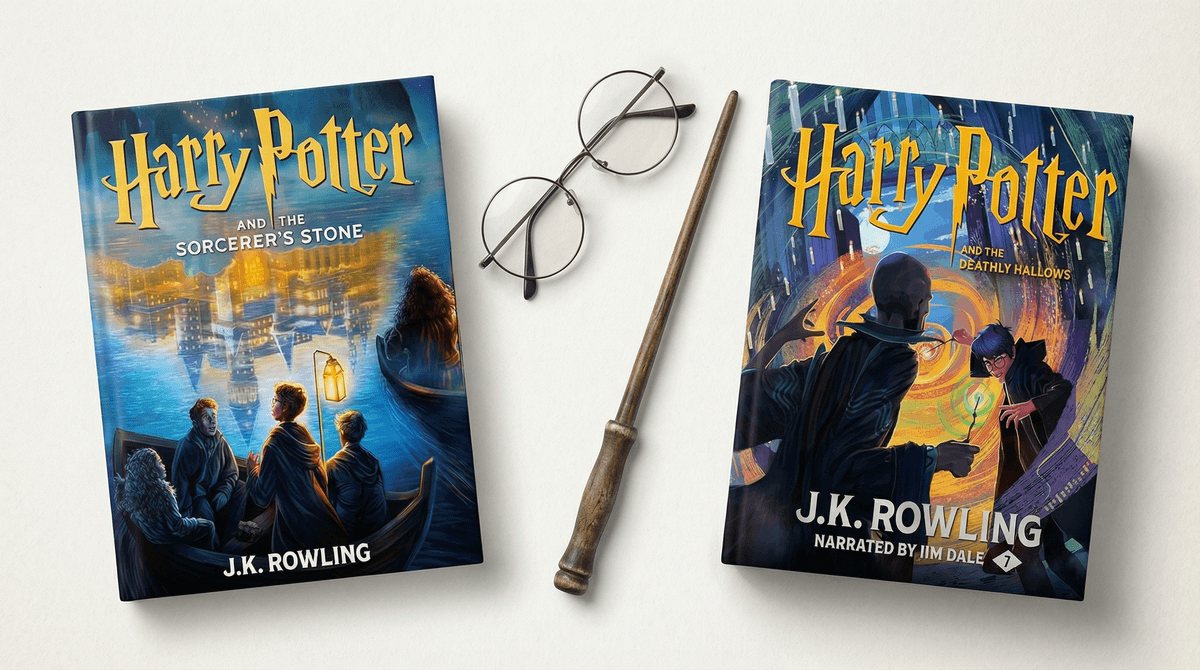
Is Your Child Ready for Harry Potter? The Official Age Guide
TL;DR: The first two Harry Potter movies are genuinely fine for most 7-8 year olds. By movie three, things get significantly darker—think dementors and soul-sucking despair. Movies 5-8 are straight-up PG-13 territory with legitimate violence, death, and psychological terror. The Harry Potter books follow a similar progression but give kids more control over pacing. If your kid can handle Percy Jackson, they're probably ready for early Potter.
Here's what's genuinely brilliant about the Harry Potter series: it grows up with its audience. The first book was published when its characters were 11, and by the final book, they're 17 and dealing with actual war, death, and moral complexity. This was intentional—J.K. Rowling knew her readers would age alongside Harry.
Screenwise Parents
See allBut this creates a real parenting dilemma. Your 8-year-old discovers Harry Potter, devours the first book in a weekend, and suddenly wants to marathon the entire series. The problem? Book seven Harry Potter is fundamentally different content than book one Harry Potter. We're talking the difference between "fun boarding school with magic" and "teenagers dying in a fascist war." See the whole series sorted by age, book and film side by side.
Age: 7-8+
This is genuinely kid-friendly. Yes, there's a troll, and yes, Voldemort is technically drinking unicorn blood, but it's all presented with a light touch. The scariest part is probably the Dursleys' emotional abuse, which—real talk—might hit harder for kids from difficult home situations than any magical threat.
Most 2nd-3rd graders can handle this content-wise. The reading level is accessible for strong 7-year-old readers, though some kids might need it read aloud.
Age: 8+
Still solidly in kid territory, though the basilisk and petrified students ramp up the tension. The diary subplot with Ginny is actually pretty dark if you think about it (possession, manipulation, attempted murder of an 11-year-old girl), but it's not dwelled on in graphic detail.
Age: 9-10+
This is where things shift. The dementors are legitimately frightening—they're literally creatures that force you to relive your worst memories and can suck out your soul. The books describe Harry hearing his mother's murder every time they're near. That's heavy.
The time-travel plot is also more complex, and the themes around betrayal, wrongful imprisonment, and whether Sirius and Lupin can be trusted require more sophisticated thinking.
Age: 10-11+
Cedric Diggory dies. A beloved character, right there on the page, murdered in front of Harry. Voldemort returns in a ritual involving Harry's blood. There's torture (the Cruciatus curse gets detailed explanation). The graveyard scene is genuinely disturbing.
This is also where the books get significantly longer (734 pages) and more complex politically. There's romantic drama, teenage angst, and the introduction of systemic corruption in the Ministry of Magic.
Age: 11-12+
Harry has PTSD from watching Cedric die. He's angry, sometimes cruel, and dealing with trauma in realistic ways. Dolores Umbridge tortures students by making them carve words into their own hands. Sirius dies, and it's devastating.
This 870-page book also deals with government propaganda, media manipulation, and the psychological toll of being gaslit by authority figures. It's sophisticated, dark content.
Age: 12+
Dumbledore dies. Students are tortured. There are detailed discussions of Voldemort's disturbing childhood and his creation of horcruxes (which involves murder and splitting your soul). The romantic subplots are more mature. The tone is somber throughout.
Age: 12-13+
This is a war book. Beloved characters die (Hedwig, Dobby, Fred, Lupin, Tonks). There's torture at Malfoy Manor. Harry watches Snape's memories, which include child abuse and obsessive, complicated love. The final battle involves mass casualties. Harry literally walks to his own death.
It's also 759 pages of complex plotting, moral ambiguity, and themes about mortality, sacrifice, and the nature of good and evil.
The Harry Potter movies follow the same progression but are often more intense visually than the books are on the page.
Movies 1-2 (PG): Ages 7-8+. These are genuinely family-friendly. The Quidditch scenes are exciting, the magic is whimsical, and while there are scary moments (the troll, the basilisk), they're presented in a classic adventure-movie style.
Movie 3 (PG): Ages 9-10+. Director Alfonso Cuarón made this film significantly darker and more stylistic. The dementors are terrifying on screen—skeletal, floating, soul-sucking creatures. The werewolf transformation is intense. This is where the visual tone shifts from "children's fantasy" to "darker fantasy."
Movie 4 (PG-13): Ages 10-11+. Cedric's death, Voldemort's resurrection, and the graveyard scene are all more visceral on screen. The movie earned its PG-13 rating legitimately.
Movies 5-8 (PG-13): Ages 11-13+. These are war films with teenage protagonists. There's wand combat that looks like gunfights, on-screen deaths of beloved characters, extended sequences of psychological torture, and the Battle of Hogwarts is genuinely intense.
The books give kids more control. A child reading can pause, process, skip scary parts, or put the book down. Movies force a pace and use visual/audio cues that can be more overwhelming. Many kids handle the books earlier than they handle the movies.
Your sensitive kid might struggle more. If your child is particularly empathetic or anxious, the deaths and darker themes might hit harder. There's no shame in waiting or taking breaks between books.
The "read ahead" strategy works well. Many parents read the books first or stay one book ahead of their kids. This lets you preview content and prepare for conversations about death, injustice, or complex moral situations.
Community pressure is real. In many 3rd-4th grade classrooms, Harry Potter is social currency. Kids who haven't read it can feel left out. This is frustrating, but it's worth acknowledging. You might consider alternatives to Harry Potter that match your child's maturity level while still giving them "fantasy series" credibility.
The reading level ≠ content appropriateness. A precocious 6-year-old might be able to read the words in Sorcerer's Stone, but that doesn't mean they're ready for the emotional content of later books. Reading comprehension and emotional readiness are different skills.
Watching together matters. For the movies especially, co-viewing lets you gauge reactions in real-time, pause for questions, and process scary scenes together.
Based on what I see in parenting communities and school trends:
- Most families start with books 1-2 or movies 1-2 around ages 7-9
- There's often a natural pause after book/movie 3 when kids either self-select to wait or parents pump the brakes
- Books 4-7 typically happen in the 10-13 range
- Some families split the difference: books at 9-10, movies at 11-12
- A decent number of families decide Harry Potter isn't for them at all, and that's completely valid
If your kid has handled these, they can probably handle early Harry Potter:
- The Chronicles of Narnia (similar fantasy adventure tone)
- Percy Jackson (similar reading level and adventure stakes)
- Hilda on Netflix (magical adventure with some scary creatures)
- The Spiderwick Chronicles (fantasy with genuine scares)
If they've handled these, they're ready for later Harry Potter:
- The Hunger Games (similar violence and dark themes)
- His Dark Materials (complex themes, character deaths)
- Avatar: The Last Airbender (war, death, moral complexity)
Harry Potter isn't one series—it's essentially three series in one. Books 1-3 are legitimately kid-friendly fantasy adventures appropriate for most 7-10 year olds. Books 4-5 are darker middle-grade content for 10-12 year olds who can handle death, injustice, and moral complexity. Books 6-7 are YA content for 12+ readers ready for war, trauma, and sophisticated themes.
There's no rush. The books will still be there when your kid is ready. And honestly? Experiencing Harry Potter at the right developmental stage—when you can actually grapple with its themes about death, prejudice, corruption, and growing up—is more meaningful than racing through it early.
If you're on the fence, start with book one or movie one and see how it goes. Your kid will tell you—through nightmares, questions, or enthusiasm—whether they're ready for more.
Next Steps: Check out our guides on books for reluctant readers if Harry Potter feels too advanced, or explore fantasy books for middle schoolers if your kid has already conquered Hogwarts.