

You know that moment when your 10-year-old is cackling at something on TV and you walk in to find... what exactly? A kid falling into a pool of slime? Someone screaming about a challenge involving hot sauce? A laugh track that seems to fire every 3.5 seconds?
Welcome to the world of goofy TV for tweens—that sweet spot of comedy programming aimed at roughly ages 8-13 that lives somewhere between "actually pretty clever" and "is this rotting their brain?"
Here's the thing: tweens need silly. They're navigating a weird developmental stage where they're too old for Bluey (even though let's be honest, Bluey slaps at any age) but not quite ready for the edgier humor of shows aimed at actual teens. They're dealing with social hierarchies, homework stress, body changes, and the general chaos of middle school. Sometimes they just need to watch people do dumb stuff and laugh.
The challenge for parents? Figuring out which goofy shows are harmless fun and which ones are teaching your kid that mean-spirited pranks and constant sarcasm are peak comedy.
Tweens are in this fascinating developmental phase where they're:
- Testing boundaries around humor (what's funny vs. what's mean?)
- Building social currency (knowing the shows their friends watch matters)
- Processing big feelings through laughter (it's actually healthy!)
- Asserting independence from "little kid" content
That over-the-top, slightly chaotic energy in tween comedies? It actually mirrors what's happening in their brains and bodies. They're all over the place emotionally, so watching characters be all over the place physically feels... right.
Not all goofy TV is created equal. Here's how to think about the spectrum:
The Good Stuff (Silly with Substance)
These shows make kids laugh while sneaking in actual character development, creative storytelling, or clever writing:
-
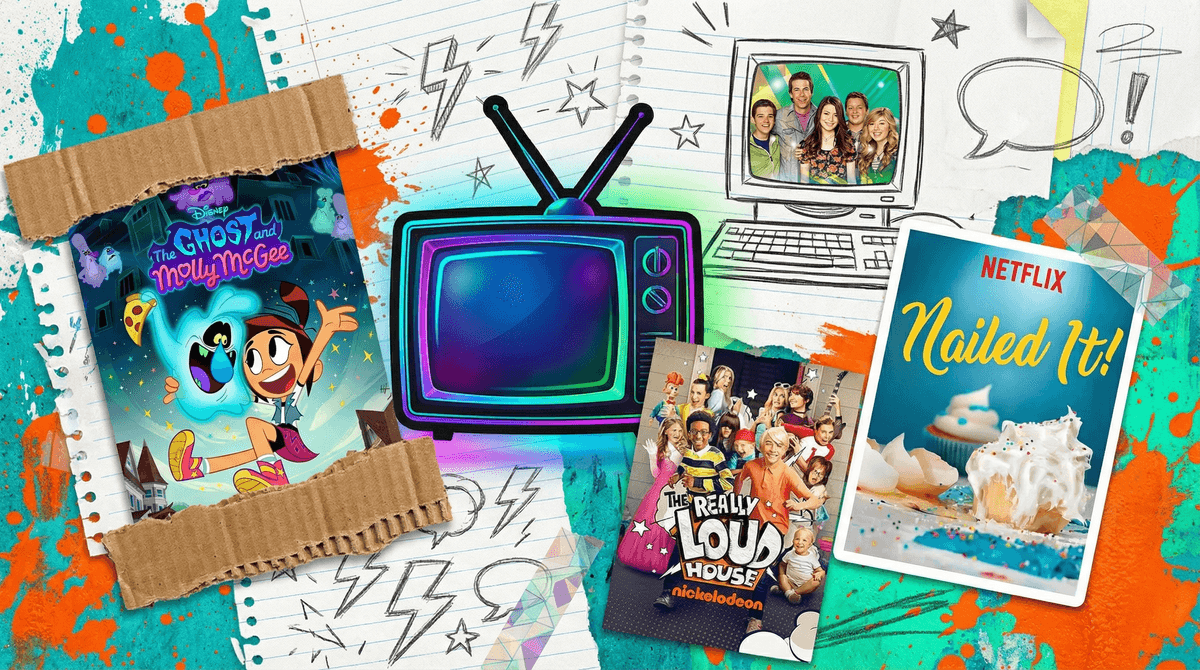
The Ghost and Molly McGee (Ages 8-12): A relentlessly optimistic girl befriends a grumpy ghost. It's goofy but genuinely sweet, with real lessons about friendship without being preachy about it.
-
Hilda (Ages 8-13): More whimsical than slapstick, but the humor is there alongside beautiful animation and actual storytelling. Kids who love adventure with their comedy.
-
The Owl House (Ages 10-14): Magical chaos with heart, LGBTQ+ representation, and humor that works for both kids and adults watching along.
The Middle Ground (Mostly Harmless)
These shows lean heavily into physical comedy and silly situations but aren't actively making your kid worse:
-
The Really Loud House (Ages 8-12): Live-action version of the animated series. Chaotic family energy, lots of noise, some potty humor, but generally positive sibling relationships underneath.
-
Danger Force (Ages 9-13): Nickelodeon superhero comedy. Silly, predictable, lots of kids getting powers and making messes. The humor is broad but not mean-spirited.
The "Proceed with Caution" Zone
These shows might make your tween laugh, but they're also serving up some questionable messages:
- Older Nickelodeon/Disney sitcoms (you know the ones): Heavy on the laugh track, characters who are constantly sarcastic to each other, parents portrayed as idiots, and "funny" mean behavior. Think iCarly or Jessie. Not terrible, but worth watching a few episodes yourself to see what humor style they're absorbing.
Not all comedy is created equal. Here's what to actually worry about:
Mean-spirited humor as the default: If every joke is at someone's expense and characters never learn anything, that's teaching your kid that cruelty = comedy.
Parents as punchlines: Shows where adults are consistently portrayed as bumbling idiots can reinforce some not-great family dynamics.
Laugh tracks covering for weak writing: If you remove the laugh track and nothing is actually funny, that's a sign the show is manipulating rather than entertaining.
Constant sarcasm without heart: A little snark is fine, but if every character interaction is dripping with sarcasm, that becomes their model for how people talk to each other.
Here's where it gets tricky: most tweens aren't watching traditional TV comedies anymore. They're watching:
- YouTube creators doing challenges, pranks, and sketch comedy (learn more about YouTube vs. YouTube Kids)
- TikTok compilations on YouTube
- Anime with comedy elements
- Gaming content that's more about personalities than gameplay
The goofy content on YouTube is a whole different beast. Creators like MrBeast or challenge channels can be entertaining, but the line between entertaining and exploitative gets real blurry real fast .
.
Ages 8-10: Look for shows with physical comedy, silly situations, and clear lessons. They still need some structure. The InBESTigators, Odd Squad, or Nailed It! (the kids' baking show where failure is funny but kind) work well.
Ages 11-13: They can handle more sophisticated humor and some light sarcasm, but still benefit from shows where characters care about each other. Brooklyn Nine-Nine (edited episodes, maybe skip a few), The Good Place (surprisingly philosophical comedy), or Gravity Falls (mystery with humor) can bridge them toward more mature content.
Goofy TV isn't the enemy. Your tween laughing at silly stuff is normal and healthy. The goal isn't to eliminate all "dumb" content—it's to make sure the comedy they're consuming isn't actively teaching them that being mean is funny or that nothing matters.
Watch a few episodes with them. If you find yourself laughing too (or at least not cringing), you're probably fine. If every joke makes you uncomfortable or the characters are consistently terrible to each other without consequences, that's worth a conversation.
Co-watch initially: Watch the first few episodes of any new comedy show together. You'll quickly get a sense of the humor style and can decide if it fits your family.
Talk about the humor: Ask "what made that funny?" when they're laughing. It helps them think critically about comedy and recognize when jokes cross lines.
Balance it out: Goofy TV is fine in moderation, but make sure it's not their only input. Mix in some documentaries, smarter animated series, or even family movie nights with different types of humor.
Trust your gut: If a show feels off to you, it probably is. You know your kid and your family values. Some families are fine with more sarcasm and chaos; others aren't. Both are valid.
And hey, if you need a break from the discourse about screen time and brain development, sometimes letting them watch someone fall into a pool of slime is just... fine. Parenting is long, tweens are weird, and we're all doing our best.