

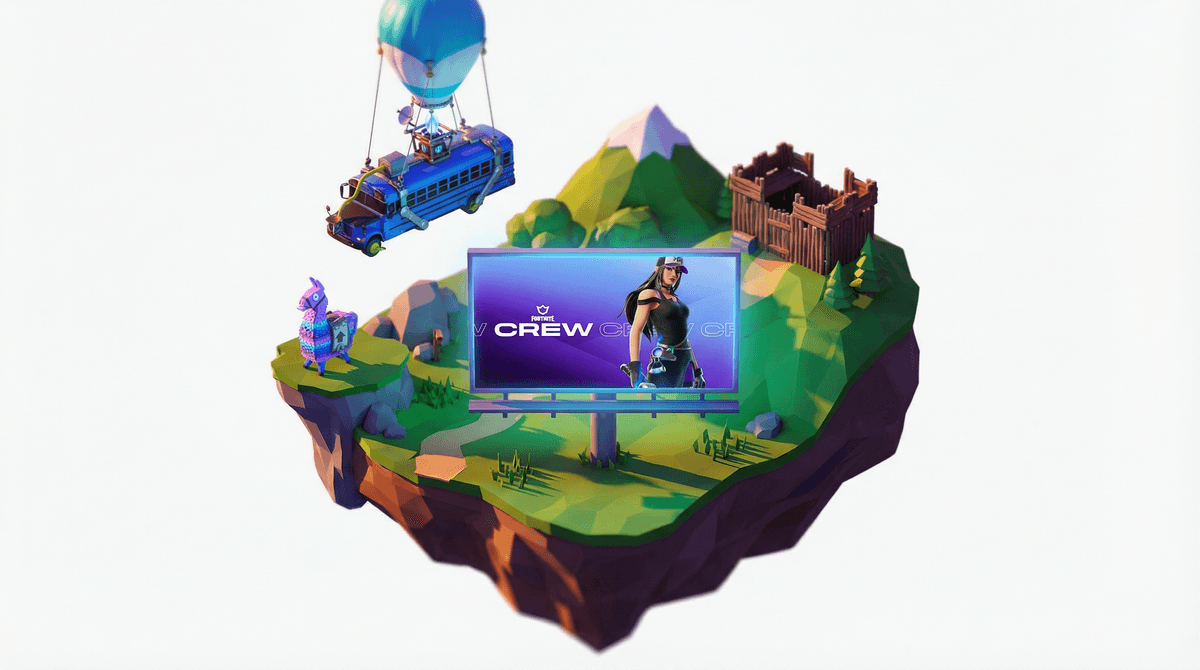
Fortnite is a free-to-play online game where 100 players drop onto an island, scavenge for weapons and materials, build structures, and battle until one player (or team) remains standing. It's called a "battle royale" game, and it's been absolutely dominating the gaming landscape since 2017.
But here's what makes Fortnite different from just another shooter game: it's become a full-blown social platform. Kids aren't just playing—they're hanging out, dancing, attending virtual concerts, and yes, spending money on digital outfits called "skins." Think of it less like Call of Duty and more like a digital playground where the shooting happens to be part of the experience.
The game is rated T for Teen (ages 13+) by the ESRB, but let's be real—tons of younger kids are playing it. Whether that's right for your family is a different conversation, and one we'll dig into below.
It's where their friends are. Full stop. Your kid might not even love the gameplay, but if their entire friend group is meeting up in Fortnite after school, that's where they want to be. The voice chat and squad gameplay make it genuinely social.
It's constantly changing. Epic Games (the company behind Fortnite) updates the game constantly with new seasons, limited-time events, and crossovers with everything from Marvel to Star Wars to... Ariana Grande concerts? The FOMO (fear of missing out) is built into the design.
It's free. Well, sort of. The game itself costs nothing to download and play, which is why it spreads like wildfire. But oh boy, does Epic Games make their money back through in-game purchases.
The building mechanic is unique. Unlike other shooters, Fortnite lets players harvest materials and build structures in real-time during combat. Some kids get really into the creative/strategic aspect of this, which honestly can be pretty impressive to watch.
Here's where Fortnite gets tricky for parents. The game uses a virtual currency called V-Bucks, which you buy with real money. V-Bucks buy cosmetic items—skins (character outfits), emotes (dances and gestures), pickaxes, gliders, and Battle Passes (seasonal content unlocks).
None of this affects gameplay. That sparkly skin doesn't make you shoot better. But it absolutely affects your kid's social standing and sense of belonging. When everyone has the latest skin from the Item Shop and your kid is running around in the default outfit, they feel it.
The pricing is deliberately obscured—items cost V-Bucks, not dollars, which makes it harder for kids (and honestly, adults) to track real spending. A typical skin might be 1,200 V-Bucks, which is roughly $12, but you can't buy exactly 1,200 V-Bucks—you have to buy 1,000 ($9.99) or 2,800 ($24.99), leaving leftover currency that encourages more spending.
The Battle Pass (around $10 every 10 weeks) is actually the most cost-effective option if your kid is playing regularly. It unlocks challenges and rewards as they play, giving them goals and content without the à la carte Item Shop spending spree.
Some families set a monthly Fortnite budget. Some tie it to chores or allowance. Some say absolutely not to any spending. All of these are valid approaches , but going in without a plan is asking for conflict and surprise credit card charges.
The shooting? Honestly, it's cartoonish and bloodless. The real concern for most parents should be voice chat with strangers.
When your kid plays with friends, voice chat is great—it's basically a phone call while gaming. But in random squad fills (playing with strangers), your child is in an unmoderated voice channel with random people from the internet. And yeah, some of those people are toxic, use slurs, or are straight-up creepy adults.
You can disable voice chat entirely in the settings, or limit it to friends only. For younger kids (under 13), this is probably the move. For older kids, it's worth having a conversation about what to do when someone is being inappropriate (mute, report, leave the match) and keeping communication open about their experiences.
Epic Games has added some moderation tools, but let's be honest—they're playing whack-a-mole with millions of players. Your own family rules and ongoing conversations are your best protection.
Ages 8-10: This is younger than the official rating, and you'll need to be more hands-on. Disable voice chat with strangers, play with them or watch them play, and keep sessions short. The shooting mechanics and pressure of being "eliminated" can be genuinely stressful for this age group. Consider starting with Fortnite's Creative Mode or Minecraft instead.
Ages 11-13: This is the sweet spot where many kids start playing. Voice chat with friends only, clear spending limits, and time boundaries are key. They're old enough to understand the game's mechanics but still need guardrails around the social aspects.
Ages 14+: At this point, they're within the intended age range. You can probably loosen some restrictions, but the spending and time management conversations become more about building their own self-regulation skills. The voice chat concern doesn't disappear—toxic gaming culture affects teens too.
Time limits matter. Fortnite matches last 15-25 minutes, and the "just one more game" pull is strong. Giving a "you can play until 7pm" boundary is clearer than "just one more game" negotiations. Some families do a "you can play 2-3 matches" approach instead.
The game is designed to be addictive. Variable rewards, FOMO mechanics, social pressure—Epic Games employs behavioral psychologists to keep players engaged. This isn't a moral judgment; it's just reality. Your kid isn't weak-willed for wanting to play all the time; they're experiencing sophisticated engagement design.
Not all screen time is equal. Playing Fortnite with school friends while strategizing and laughing is different from mindlessly scrolling TikTok. It's still screen time that needs limits, but it's social and cognitively engaging.
Your kid will probably watch Fortnite content on YouTube/Twitch. Streamers and content creators are huge in Fortnite culture. Some are fine; some are obnoxious or inappropriate. Knowing who your kid is watching matters as much as knowing they're playing the game.
You can require they play in shared spaces. This isn't about not trusting your kid—it's about making gaming part of family life rather than an isolating activity. Plus, you'll actually know what's happening.
Fortnite isn't going anywhere, and for many kids, it's genuinely a social lifeline—especially post-pandemic. Fighting against it entirely might not be the hill to die on, but letting it run wild in your house without boundaries is asking for problems.
The game itself? It's fine. Cartoonish violence, creative building, teamwork, strategy. The ecosystem around it—the spending pressure, the voice chat risks, the addictive design, the time sink—that's where you need to show up as a parent.
Start with these questions:
- What are our family's spending rules around Fortnite?
- What are our voice chat boundaries?
- Where and when can Fortnite be played in our house?
- How much time feels reasonable for our family?
Every family's answers will be different, and that's okay. The key is having intentional answers rather than just reacting when problems pop up.
Set up parental controls: Epic Games has decent parental control options. Here's how to configure them for your family's needs.
Have the money conversation early: Before the first V-Bucks purchase, not after the surprise $200 credit card bill.
Check in regularly: "Who'd you play with today?" and "Anything weird happen in voice chat?" should be as normal as "how was school?"
Consider the Battle Pass over Item Shop purchases: If you're going to spend money, the Battle Pass gives the most value and built-in limits.
And remember—you're not a bad parent if your 10-year-old plays Fortnite, and you're not a bad parent if you decide it's not right for your family. You're doing the work of thinking it through, and that's what matters.