

TL;DR
If your kids have been counting down to "Dunesday," here’s the quick reality check: Dune: Part Three is a masterpiece, but it’s a total vibe shift from the first two. It’s less "hero’s journey" and more "political tragedy." Think less Star Wars: A New Hope and more the final episodes of Game of Thrones, but with better lighting and more sand. It’s rated PG-13, but the psychological weight and themes of religious extremism make it a better fit for the 14+ crowd.
Quick Links:
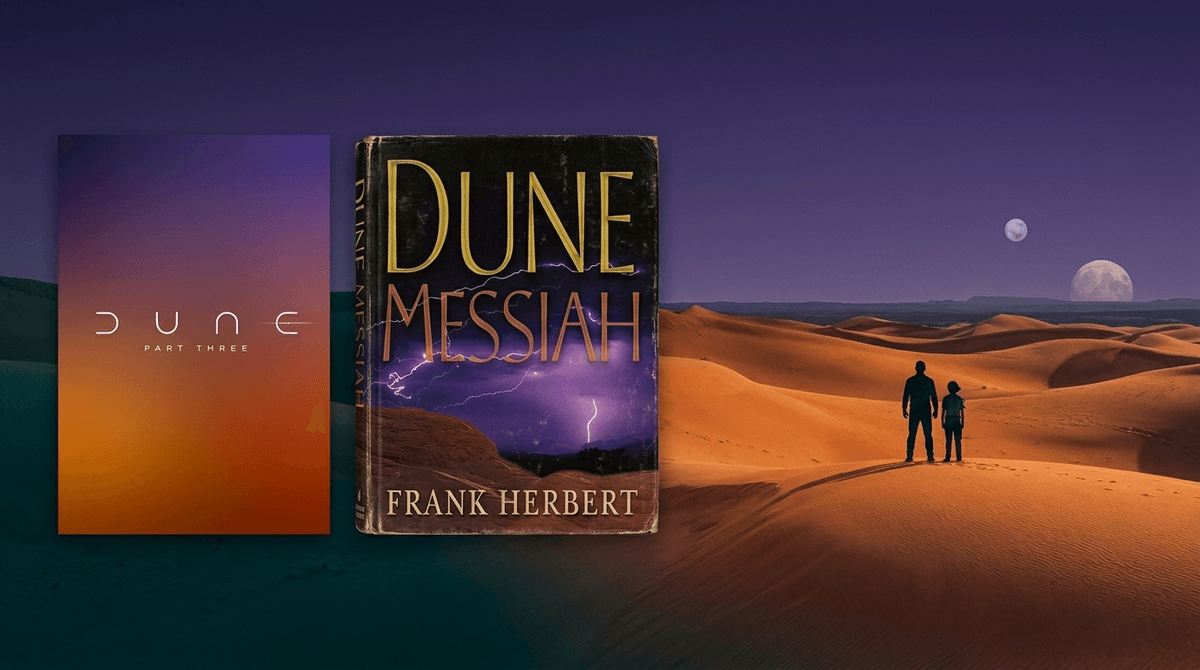
We’ve officially reached the end of Denis Villeneuve’s desert odyssey. While the first two films focused on Paul Atreides’ rise to power, Dune: Part Three (based on the book Dune Messiah) picks up twelve years later.
Paul is now the Emperor of the known universe, but his "victory" has come at a staggering cost: a galactic holy war (jihad) fought in his name that has claimed billions of lives. This isn't a spoiler; it’s the premise. The movie is a claustrophobic, intense look at a leader trapped by his own prophecy, dealing with conspiracies, an impending assassination plot, and the literal weight of the world on his shoulders.
If your social media feeds look anything like mine, you’ve seen the "Dunesday" memes for months. Between Timothée Chalamet’s cheekbones and Zendaya’s everything, this movie has a massive gravitational pull for Gen Z and Gen Alpha.
According to our latest Screenwise community data, about 62% of high schoolers and 38% of middle schoolers have "Dune 3" at the top of their watchlist this month. It’s not just "brain rot" content; it’s a cultural event. Kids are obsessed with the "Lisan al-Gaib" memes on TikTok and are unironically discussing the "Golden Path" on Discord.
They love it because it feels "adult" and complex. It’s the antithesis of the shiny, joke-heavy superhero movies they grew up with. It’s moody, it’s gorgeous, and it treats its audience like they have a high IQ.
If your kid is expecting two hours of giant sandworms eating tanks, they might be disappointed. Dune: Part Three is much more of a "political thriller in space."
Violence and Visuals
The violence here is less "pew-pew" and more personal. We’re talking about palace intrigue, poisoning, and the psychological aftermath of war. There are some intense sequences involving a conspiracy to blind the Emperor and some fairly grotesque imagery involving the Tleilaxu (biological engineers), but it stays within the PG-13 boundaries. It’s "heavy" violence rather than "gory" violence.
The Tone
This is the big one. This movie is sad. It’s about the burden of power and the inevitability of fate. If your child is going through a particularly anxious patch, the fatalistic tone might be a bit much. It’s a movie that asks, "What if the hero you cheered for was actually the person who broke the world?"

At Screenwise, we usually see a split in how parents handle the Dune franchise.
- Ages 10-12: This is a "maybe," but only if they’ve seen the first two and actually understood the plot. Without the context of the previous films, this will be a very boring, very confusing two hours of people talking in dark rooms.
- Ages 13-15: This is the sweet spot. They’re old enough to appreciate the "deconstruction of the hero" and the political maneuvering. It’s a great entry point for talking about how media can manipulate our feelings about "good guys" and "bad guys."
- Ages 16+: They’ve likely already seen it twice or are planning to see it with friends. At this age, the concern isn't the content, it's the conversation afterwards.
Check out our guide on how to talk to teens about complex movie themes
The central theme of Dune: Part Three is the danger of following a charismatic leader blindly. Paul Atreides is a messiah figure, but the movie (and the book Dune Messiah) is a warning against messiahs.
In a world where influencers and algorithms can create "cults of personality" overnight, this is actually a really healthy thing for your kids to see. It’s a 10/10 opportunity to talk about:
- Propaganda: How the Fremen were "prepared" to believe in Paul through religious myths planted by the Bene Gesserit.
- Consequences: How Paul’s "cool" powers led to a war he couldn't stop.
- Critical Thinking: Why it’s important to question people in power, even the ones we like.
If your kid is deep into Letterboxd or movie-tok, they’re probably already hearing these takes. Joining the conversation shows them you’re paying attention to the substance, not just the screen time.
Look, Denis Villeneuve doesn't do "short." This movie is a commitment. If your kid has the attention span of a goldfish (thanks, YouTube Shorts), they might struggle. But for the kids who are into world-building—the ones who spend hours on the Minecraft wiki or reading The Hunger Games lore—this is their Super Bowl.
Dune: Part Three is a rare beast: a big-budget blockbuster that actually has something to say. It’s not "safe" entertainment in the sense that it won't leave your kid feeling warm and fuzzy, but it is "safe" in that it’s intellectually stimulating and devoid of the cheap "brain rot" tropes found in so many other franchises.
If your teen wants to go, let them. Better yet, go with them. It’s the kind of movie that demands a long car ride home to process everything that just happened.
Next Steps:
- If they loved the politics, suggest The West Wing (it’s a stretch, but some kids love it).
- If they loved the world-building, check out Foundation on Apple TV+.
- If they want to read the source material, grab a copy of Dune Messiah by Frank Herbert.