

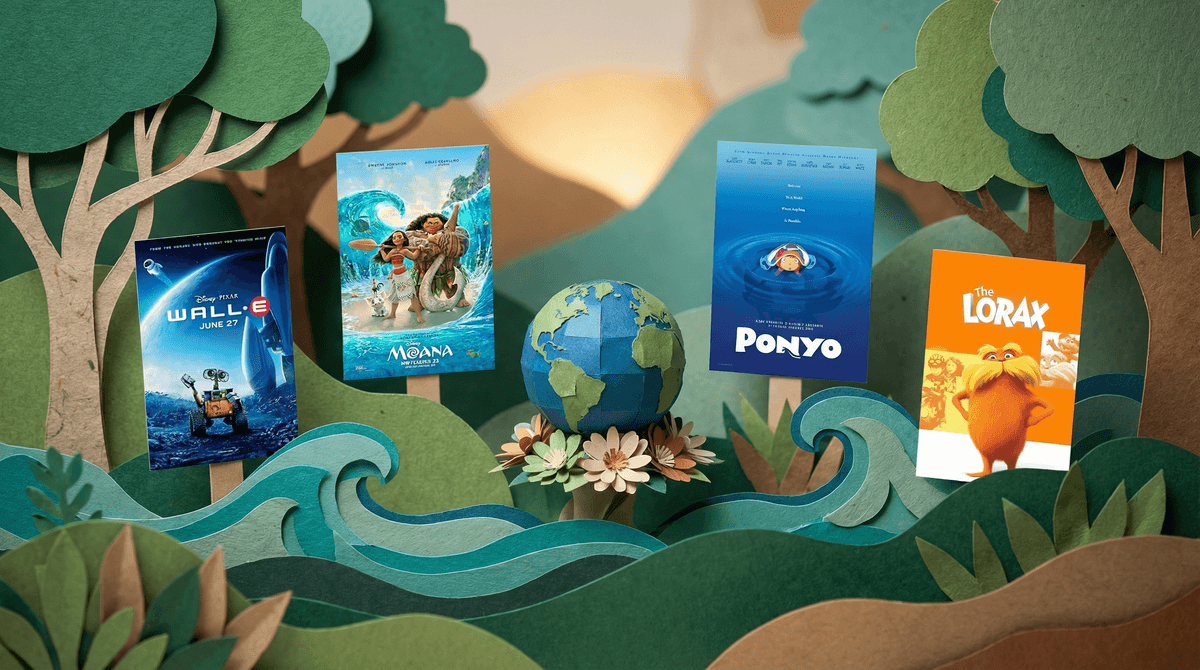
Look, we're not talking about showing your 7-year-old An Inconvenient Truth and calling it family movie night. Climate change movies for kids are films that address environmental themes, conservation, and our changing planet in ways that are age-appropriate, engaging, and—here's the key—actually leave kids feeling empowered rather than paralyzed by eco-anxiety.
These range from animated adventures where saving the forest is the plot (FernGully, The Lorax) to documentaries designed specifically for young viewers (Our Planet has a special edition for families), to films that deal with environmental themes more subtly (WALL-E, Ponyo).
The best ones don't just lecture about melting ice caps—they tell compelling stories that happen to involve environmental stewardship, giving kids both the emotional connection and the sense that individual actions matter.
Here's the thing: kids are already hearing about climate change. Whether it's at school, from friends, or from overhearing adult conversations, they're picking up on the fact that something big is happening with our planet. And when kids get partial information without context, that's when anxiety spirals.
Using thoughtfully chosen films gives you a chance to control the narrative and create space for conversation. You're not hiding reality from them—you're helping them process it at their developmental level, with you right there to answer questions, provide reassurance, and talk about what your family can actually do.
Plus, let's be honest: if screen time is happening anyway (and it is), why not make some of it count toward building environmental literacy and empathy for the natural world?
Ages 4-7: Keep It Light and Hopeful
At this age, stick with stories where the environmental message is wrapped in adventure and the problems get solved. Think:
- The Lorax (2012) - Yes, it's been commercialized to death, but the core message about speaking for the trees still lands
- FernGully - A little dated, but the rainforest fairy tale works
- Happy Feet - Penguins dealing with overfishing, but it's mostly about dancing
- Ponyo - Studio Ghibli's gentle take on ocean pollution and balance
These films present problems but always include solutions and happy endings. The environmental themes are present but not overwhelming.
Ages 8-11: Ready for Real Consequences (With Hope)
This age can handle more complexity and understand cause-and-effect relationships. They're ready for:
- WALL-E - Honestly one of the best climate films ever made, for any age. Shows consequences of overconsumption but ends with renewal
- The Lorax - They'll get more nuance now about corporate greed vs. environmental protection
- Moana - Environmental restoration as heroic journey
- My Octopus Teacher - Documentary that builds connection to ocean life (ages 10+, some intense predator moments)
- Our Planet - The family-friendly version, not the full series (walrus scene = nightmare fuel for sensitive kids)
Ages 12+: Can Handle Complexity and Nuance
Tweens and teens can engage with more challenging content and understand systemic issues:
- Chasing Coral - Beautiful but sobering documentary about coral bleaching
- Seaspiracy - Controversial and heavy, watch together and discuss critically (ages 14+)
- Before the Flood - Leonardo DiCaprio's accessible climate doc
- Kiss the Ground - Actually solution-focused, about regenerative agriculture
The Eco-Anxiety Is Real
Some kids will watch these movies and feel motivated. Others will spiral into worry. Know your kid. If they're already anxious about world events, maybe start with the most hopeful options or skip the heavier documentaries entirely. There's no prize for exposing them to harsh realities before they're developmentally ready.
Learn more about managing eco-anxiety in kids .
.
Not All Environmental Movies Are Created Equal
Some are genuinely well-made and scientifically sound. Others are... less so. The Lorax (2012) is a perfect example—great message, but then Universal licensed the IP to SUV companies. Talk about irony. Use these contradictions as teaching moments about corporate greenwashing.
Always Pair Viewing with Action
This is crucial: don't just watch and feel sad together. Have a plan for what your family can do, even if it's small. Start composting. Pick a beach cleanup day. Write to a local representative. Plant native species in your yard. Kids need to feel like they have agency, not just awareness.
Some Documentaries Are Straight-Up Too Much
The full Our Planet series has that walrus scene where dozens of walruses fall off cliffs because climate change has disrupted their habitat. It's devastating. It's important. It's also potentially traumatizing for young viewers. The family edition exists for a reason—use it.
Before Watching:
- Set context: "We're going to watch a movie about taking care of our planet. Some parts might feel sad or scary, but we can talk about anything that comes up."
- For older kids, explain what's real science vs. fictional storytelling
During Watching:
- Be available for questions
- Pause if needed to explain concepts or check in emotionally
- Point out both problems AND solutions shown in the film
After Watching:
- Ask open-ended questions: "What did you notice?" "How did that make you feel?" "What surprised you?"
- Immediately pivot to action: "What's one thing we could do as a family?"
- For older kids: Discuss critical thinking—what did the filmmakers want you to feel? What information might be missing?
Climate change movies for kids aren't about creating a generation of doomers—they're about building environmental literacy, empathy for the natural world, and a sense of agency about the future. The best ones leave kids feeling like they can be part of the solution, not just witnesses to a catastrophe.
Start with the most age-appropriate, hopeful options. WALL-E is genuinely a masterpiece that works for ages 6-60. Work your way up to more challenging content as your kids get older and show interest.
And remember: you don't have to have all the answers. "I don't know, but let's find out together" is a perfectly valid response to tough questions about climate change. What matters is that you're creating space for these conversations and helping your kids feel empowered rather than helpless.
Want more? Check out our guide to educational documentaries for kids or explore nature and science content that builds environmental connection.
And if your kid is ready to take action beyond watching, here are age-appropriate ways kids can get involved in environmental causes.