The Great Penguin Bait-and-Switch
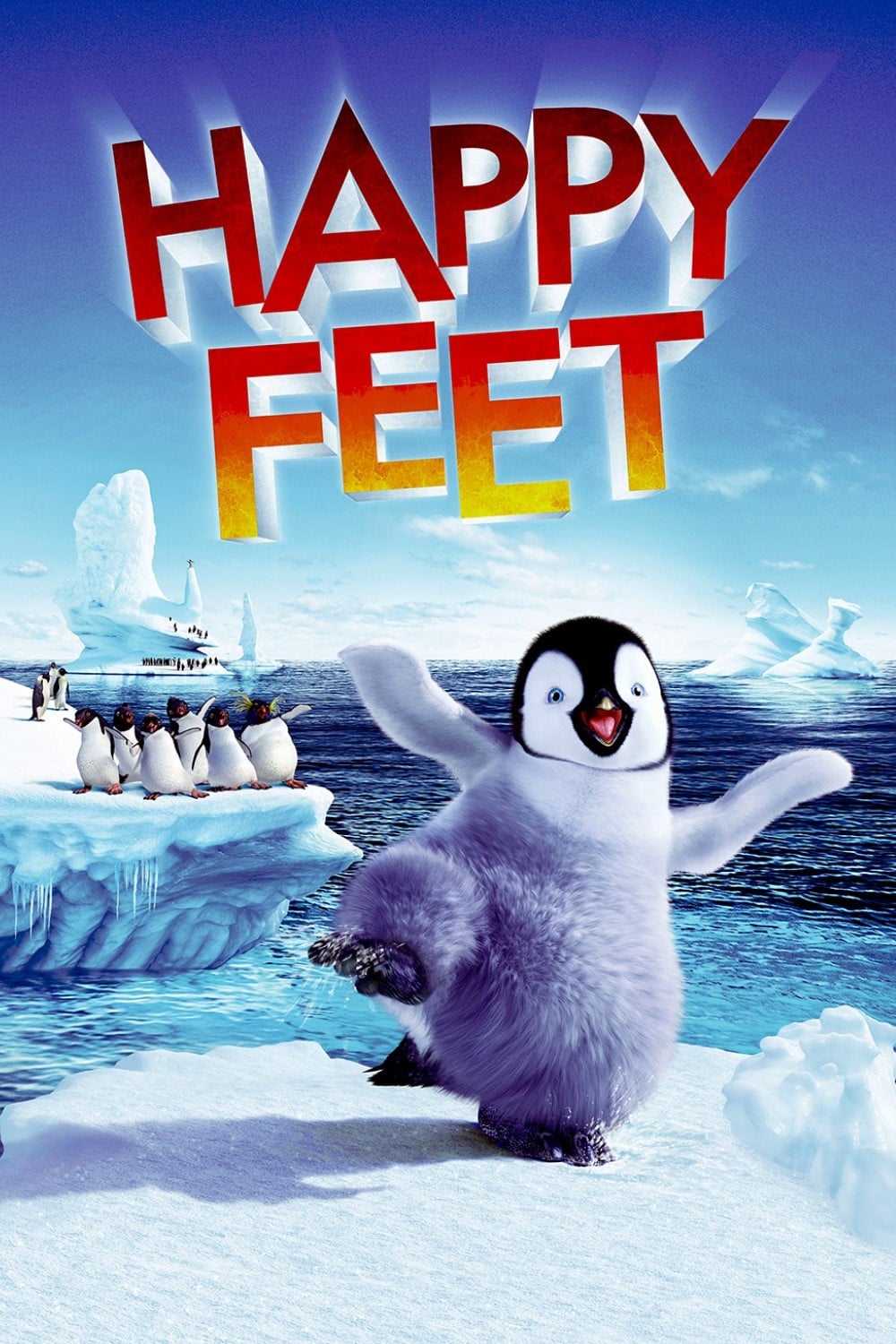
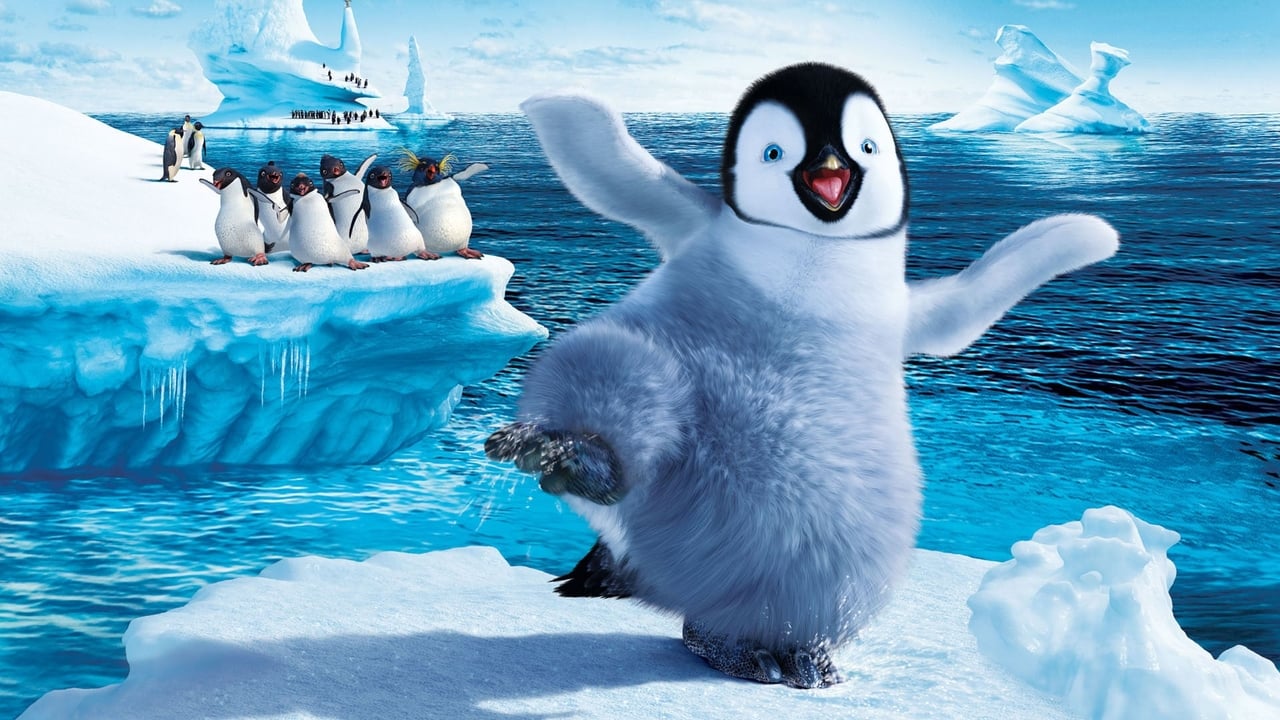
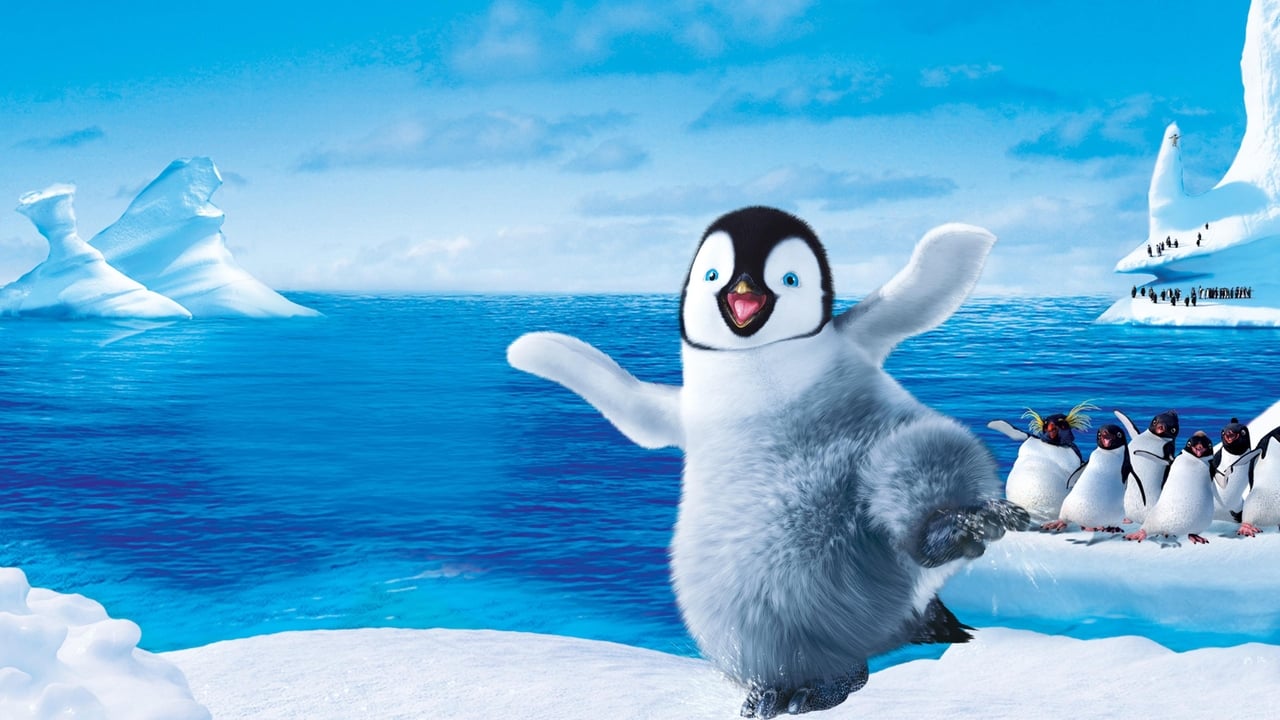
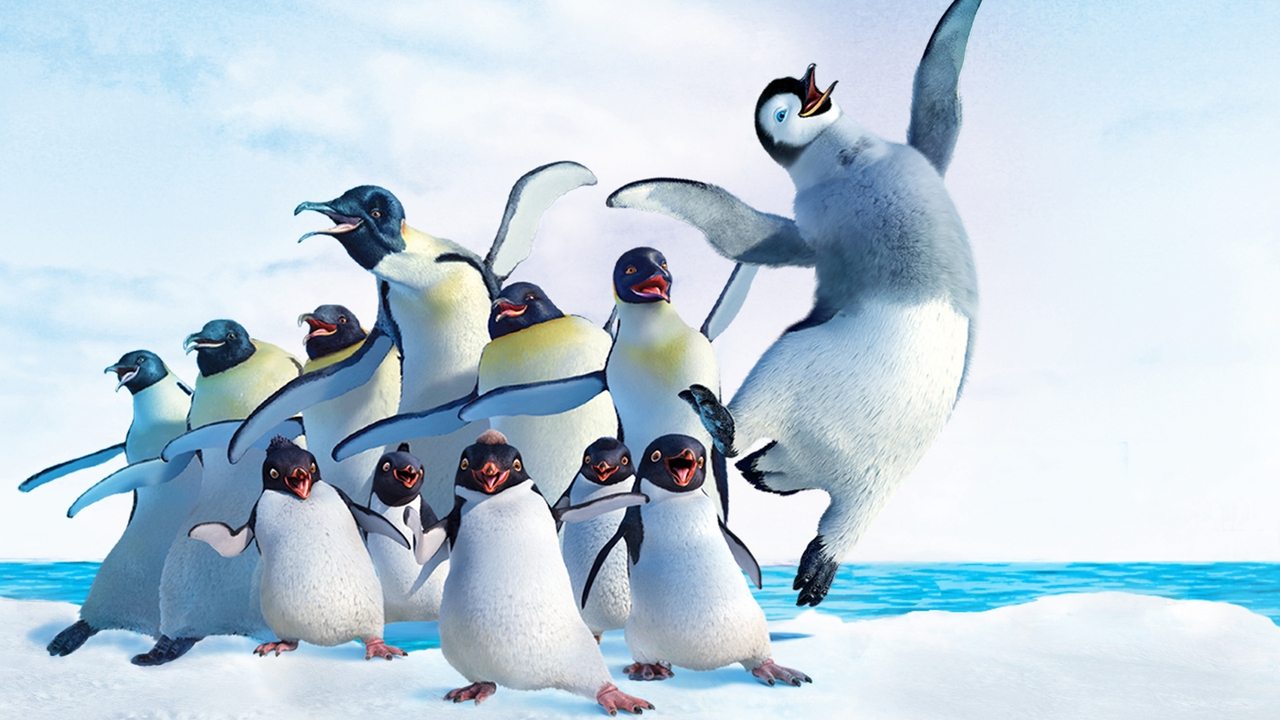
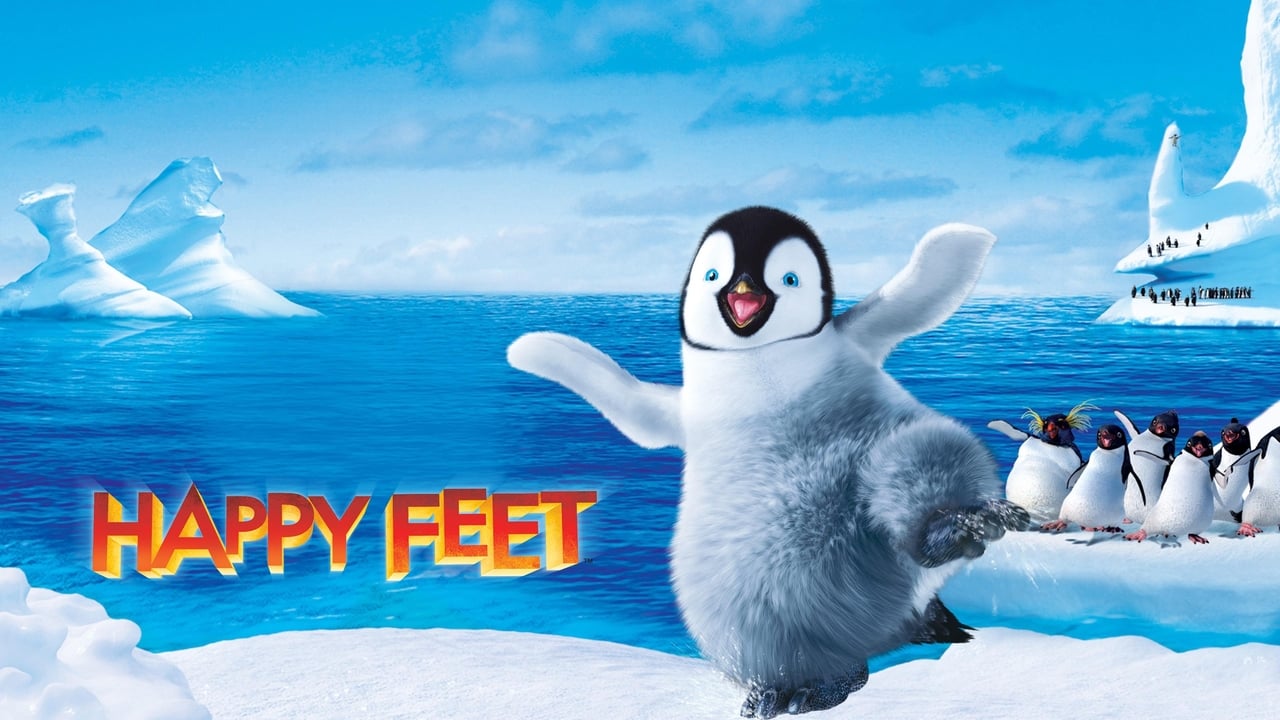
If you go into this expecting a standard-issue talking-animal musical, you’re only right for about sixty minutes. The first half is a high-energy, jukebox-style celebration of being an outsider. It’s got the "be yourself" DNA of every mid-2000s animated flick, but it’s executed with a weird, kinetic energy that makes most of its contemporaries look static.
Then the movie takes a hard left turn. What starts as a story about a penguin who can't sing becomes a surreal, almost psychedelic critique of human consumption. By the time the "aliens" (humans) show up, the movie has abandoned the dance-party vibes for something much more challenging. It’s this tonal whiplash that makes it a polarizing pick for family movie night. It’s not just a movie about a cute bird; it’s one of the more prominent climate change movies for kids, even if it doesn't market itself that way.
Beyond the "Be Yourself" Trope
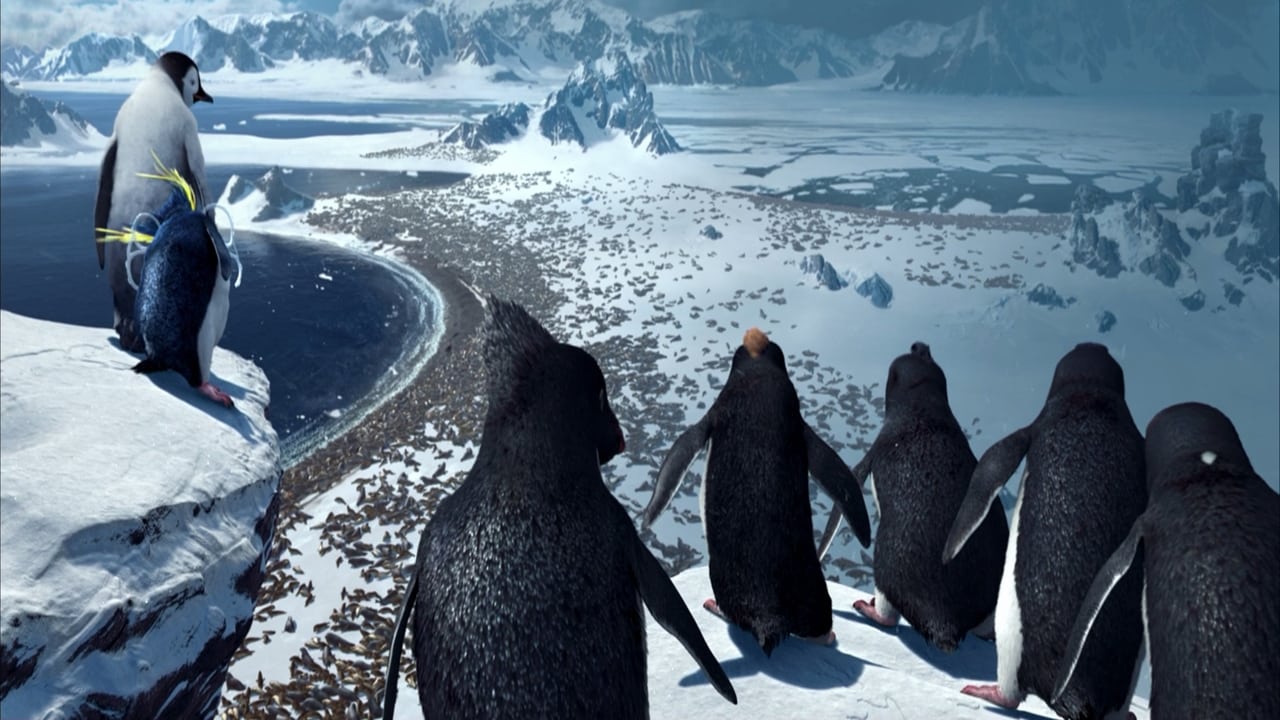
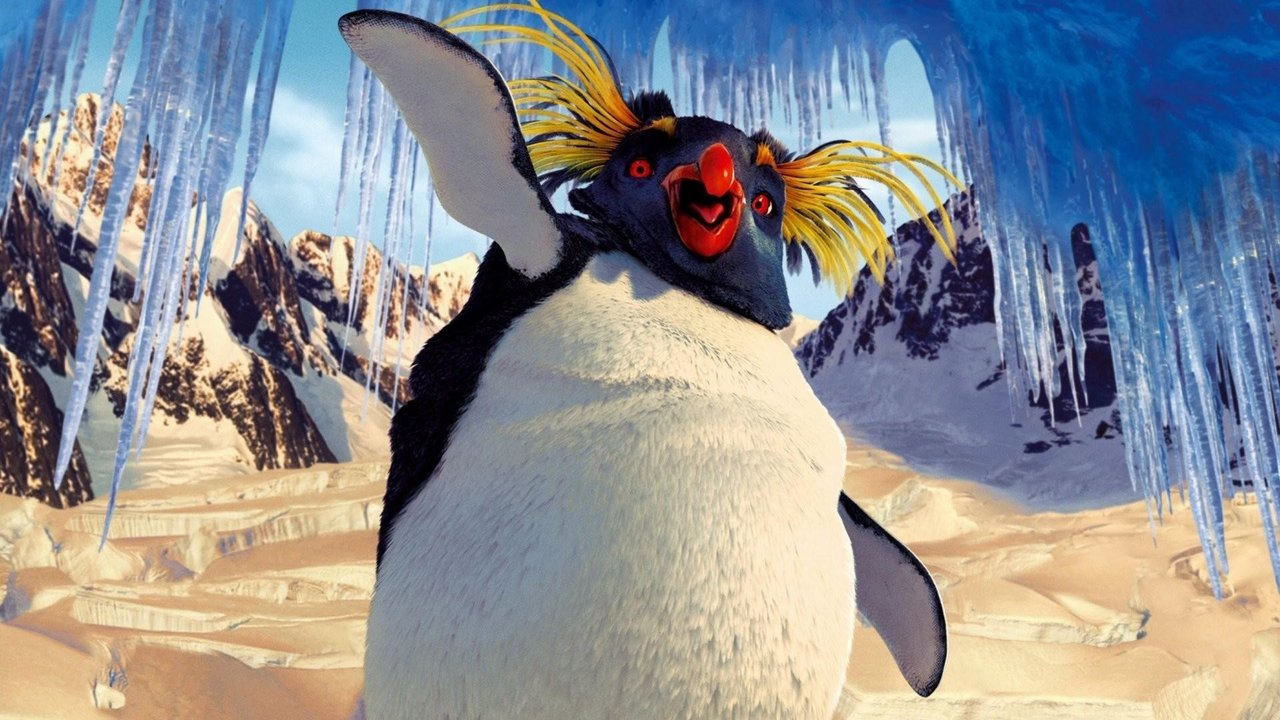
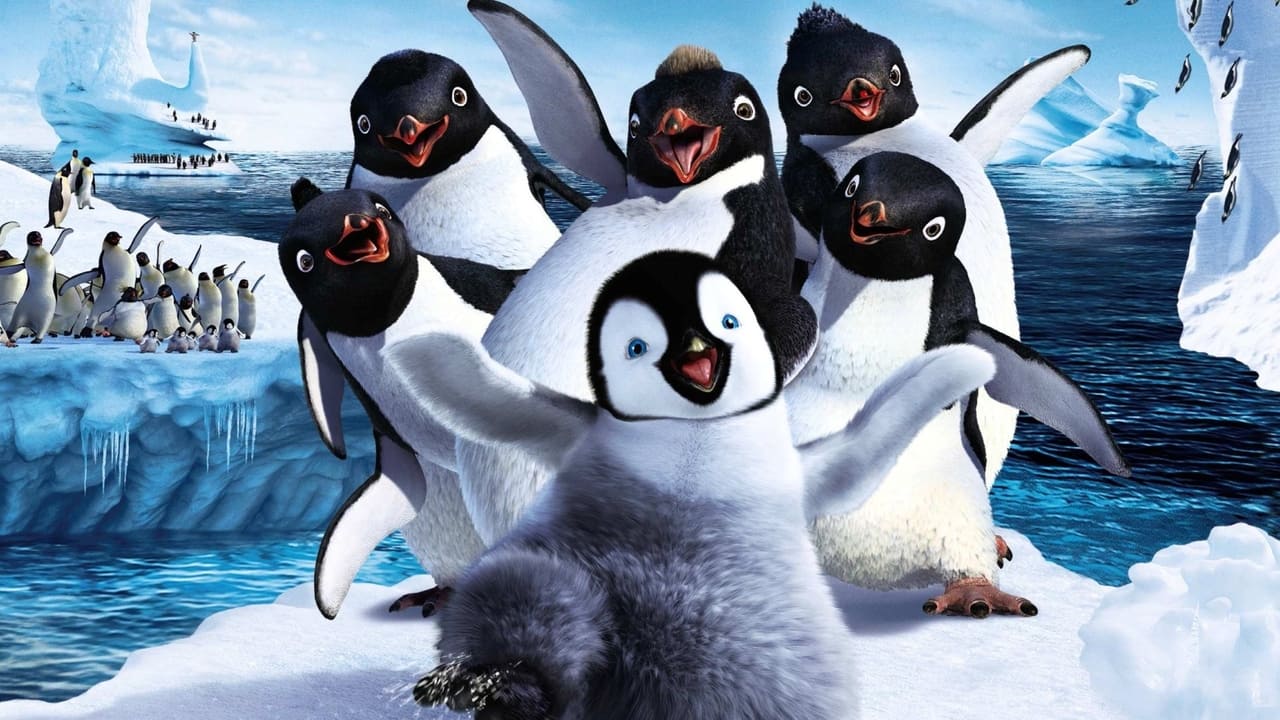
Most animal movies use the "misfit" trope as a low-stakes way to teach kids about confidence. Here, the stakes are actually quite high and occasionally bleak. Mumble isn't just teased; he's literally cast out by his community and blamed for a famine. It’s heavy stuff for a movie that features a group of comedic sidekick penguins for comic relief.
If your household has already cycled through the 25 best kids movies with animals, you’ll notice this one feels different because it treats the animal world with a strange kind of realism. The predators aren't just "bad guys"—they are scary, hungry, and persistent. The leopard seal chase is a genuine nail-biter that might have younger kids climbing into your lap. It lacks the sanitized safety of a typical DreamWorks or Pixar production from that era.
The WALL-E Connection
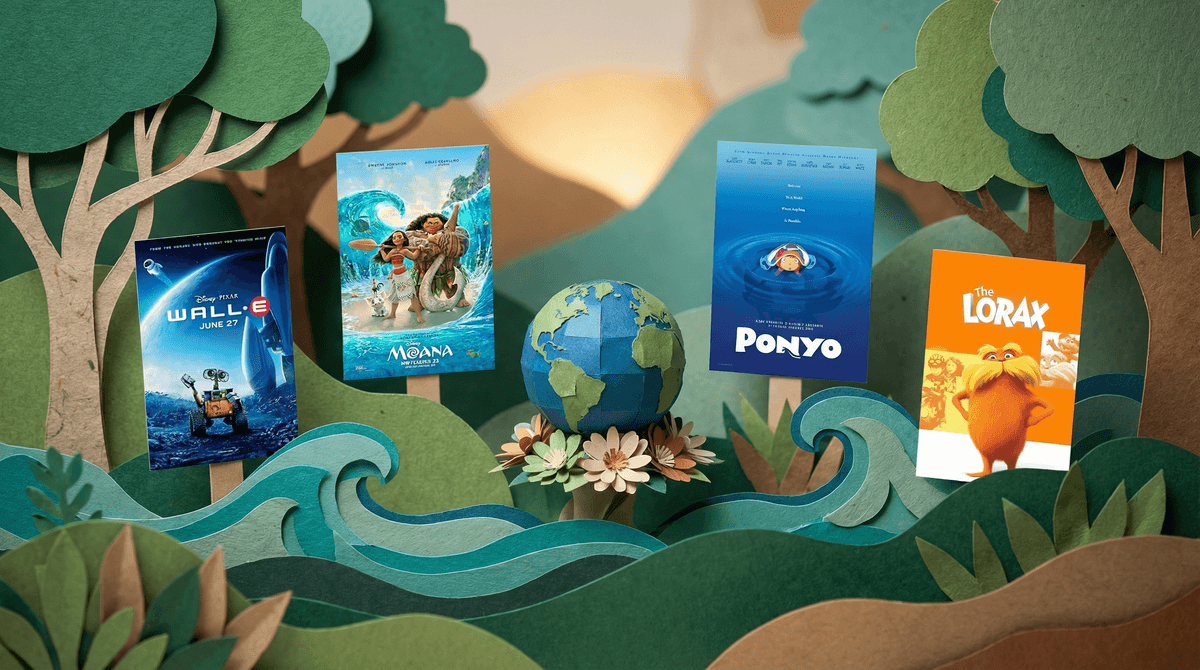
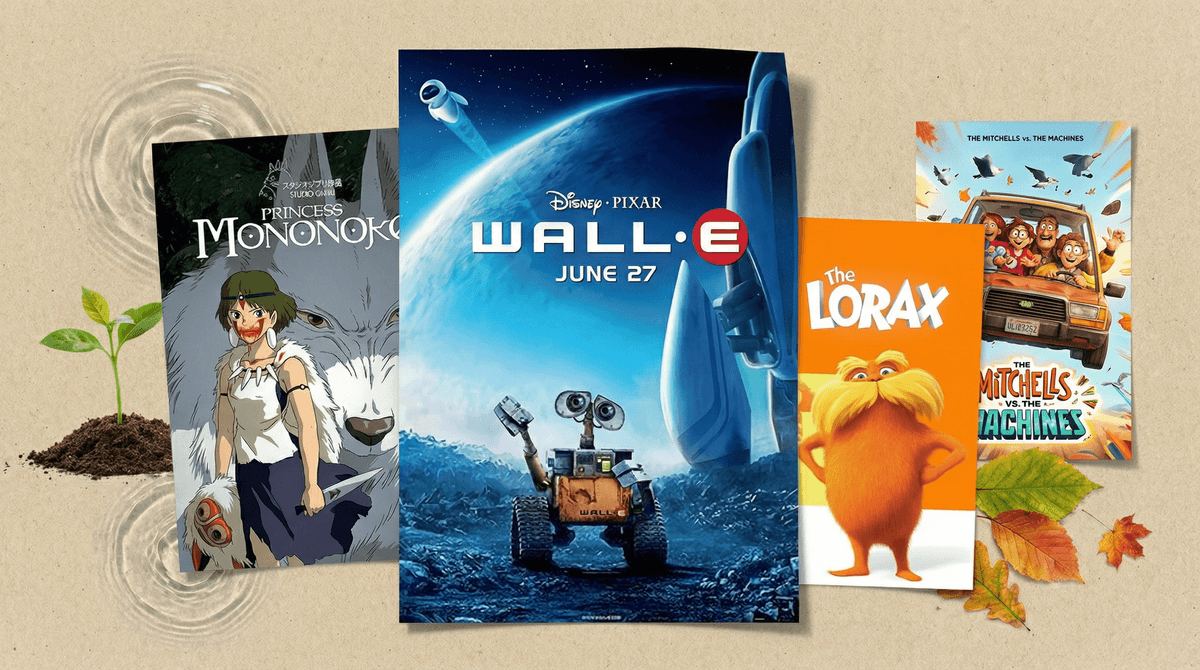
If your kids are fans of the "silent protagonist vs. the world" vibe, you'll find a lot of overlap here with other movies like WALL-E. Both films rely heavily on visual storytelling and physical comedy to carry the emotional weight before dropping a massive environmental message on the audience's head.
The third act, where Mumble ends up in a marine park, is the specific moment where the movie either wins you over or loses you entirely. It’s a sequence that feels more like a fever dream than a kids’ movie. It’s effective, sure, but it’s also depressing. If you have a kid who is particularly sensitive to animals in cages or ecological "doomsday" talk, you might want to have the remote ready to skip a few scenes or be prepared for a long talk afterward about how we treat the oceans.
How to Watch It Now
Watching this in 2026, the motion-capture technology used for the dancing still holds up surprisingly well, even if the penguin faces look a bit "uncanny valley" compared to modern standards. The soundtrack is the real tether to the past—it’s a time capsule of early-2000s pop and classic rock covers that will probably hit the parents' nostalgia buttons harder than the kids' ears.
It’s a weird movie. It’s ambitious, messy, and occasionally too loud for its own good. But it’s also one of the few big-budget family films that actually has something to say, even if it shouts that message at you while a penguin tap-dances for its life. Just don't expect a simple "happily ever after" without a side of existential dread about overfishing.