

Brigitte Bardot's Classic Films: What Parents Should Know About Her Iconic (But Mature) Cinema
TL;DR: Brigitte Bardot passed away in December 2025, but her entire filmography was completed decades ago in the 1950s-70s. If your teen is curious about classic French cinema or stumbled across her name, here's what you need to know: her films feature mature sexual content, nudity, and mid-century attitudes about gender that require context. Not family movie night material, but potentially valuable viewing for older teens interested in film history—with conversation.
Brigitte Bardot, the French actress who became a global sex symbol in the 1950s-60s, died on December 28, 2025 at age 91. Her passing has sparked renewed interest in her work, and you might be seeing her name trending or hear your teen mention wanting to watch her films.
Here's the key thing: there are no "post-death" releases. Bardot retired from acting in the early 1970s—over 50 years ago—to focus on animal rights activism. Her entire body of work was completed while she was alive, so any film you watch is a historical artifact from mid-century European cinema.
When kids get curious about classic cinema icons—whether through TikTok film discourse, a history class, or just algorithmic rabbit holes—they're often not prepared for how different older films are from today's content. Bardot's films aren't just "old movies." They're products of a specific cultural moment in French cinema that was deliberately provocative about sexuality and gender roles.
Unlike modern films with clear MPAA ratings and content warnings, these classics exist in a gray zone. They're "art films" that show up on streaming services alongside everything else, but they contain content that would earn solid R ratings (or higher) today.
Bardot's most famous films include:
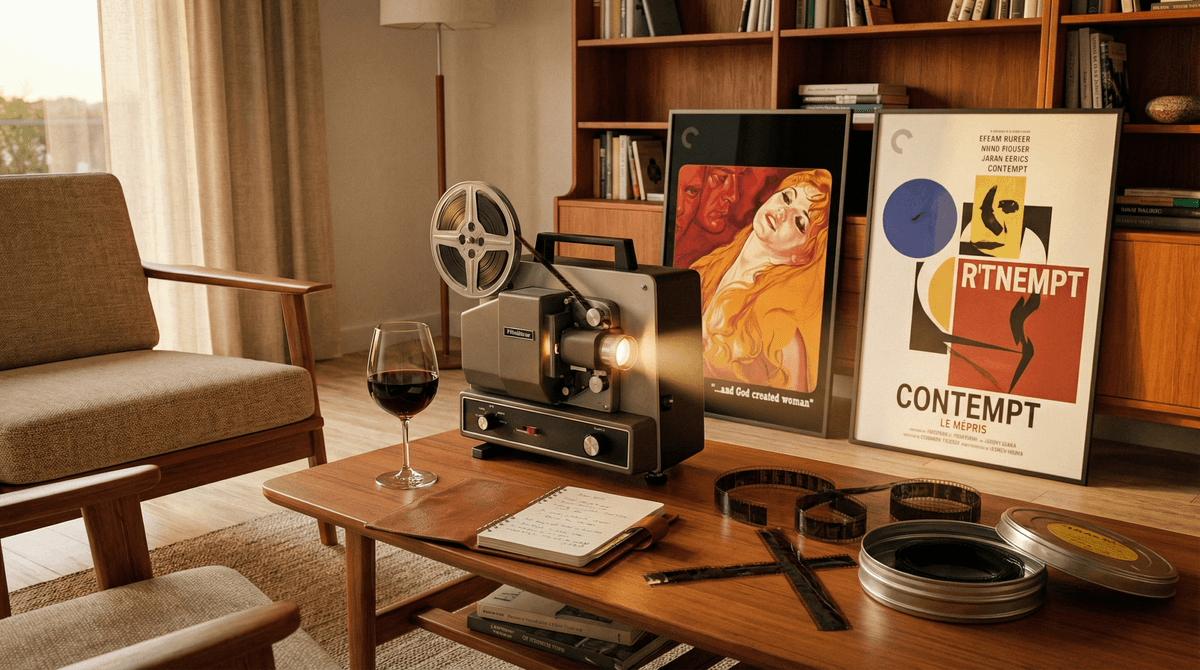
And God Created Woman (1956) - This is the film that made her an international star. It's essentially about a sexually liberated young woman in a conservative French seaside town. Expect nudity, sexual situations, and the kind of male gaze that defined 1950s cinema. The "scandalous" nature was the entire point.
Contempt (Le Mépris, 1963) - Directed by Jean-Luc Godard, this is probably the most "serious" Bardot film and the one film students might actually encounter. It's about a marriage falling apart during a film production. Still features nudity and adult themes, but there's actual cinematic merit here that makes it worth discussing with older teens.
La Vérité (1960) - A courtroom drama where Bardot plays a woman on trial for murder. More substantive than her earlier work, but still contains mature sexual content and themes.
The reality: most of Bardot's 40+ films were designed to showcase her as a sex symbol. That was literally the marketing strategy. Some have artistic merit, many don't. All reflect attitudes about women's bodies and sexuality that feel dated at best, problematic at worst.
Under 16: Hard pass. These aren't films made for young audiences, and the sexual content isn't educational—it's exploitative in ways that require significant media literacy to unpack.
Ages 16-18: Maybe, with context. If your teen is genuinely interested in film history, classic cinema, or French New Wave, there's a conversation to be had here. But it needs to be with you, not solo viewing.
Consider this approach: "These films are historically significant, but they also show how women were objectified in mid-century cinema. If you want to watch one, let's watch together and talk about what we're seeing."
College+: At this point, they're adults making their own viewing choices. If they're taking film classes, Bardot films (especially Contempt) might actually be assigned viewing.
Here's what trips up parents: we're used to evaluating content through a contemporary lens. But Bardot's films exist in this weird space where they're:
- Considered "art" - They show up on Criterion Collection, film school syllabi, and "greatest films" lists
- Genuinely exploitative - The camera work, the plots, the whole apparatus was designed to sexualize a young woman
- Historically significant - They did influence cinema and represent a specific cultural moment
- Widely available - They're on regular streaming services without much warning
The nudity in a Bardot film isn't like nudity in a modern prestige drama. It's not "this character happens to be naked in this scene." It's "we built this entire scene to show Brigitte Bardot naked because that's what sells tickets."
About 40% of families in our community use Netflix with kids, and another 32% let kids use Amazon Prime with supervision. Both platforms have Bardot films available. They might show up in "Classic Cinema" categories or in recommendations if your teen has been watching foreign films or older content.
The problem: these platforms' parental controls are blunt instruments. You can set a maturity rating, but a film like Contempt might slip through because it's "art" and the algorithms don't always catch the nuance.
Practical step: If you have teens who are into film, have a conversation about what "classic cinema" actually means and why some old films contain content that wouldn't fly today. Make it part of media literacy, not just restriction.
Look, if your 17-year-old is genuinely interested in film history and French New Wave cinema, that's actually pretty cool. But they don't need to start with Bardot.
Better entry points for classic foreign films:
- The 400 Blows (1959) - Truffaut's masterpiece about childhood, much more age-appropriate
- Breathless (1960) - Godard's revolutionary film, still mature but less exploitative
- Jules and Jim (1962) - Complex adult relationships, but more thoughtful
If they specifically want to understand Bardot's cultural impact, Contempt is the one film worth watching together, with plenty of pause-button conversations.
There are no new Bardot films to evaluate—her work is a closed chapter from 50+ years ago. If your teen is curious because of her recent passing, that's an opportunity for a conversation about:
- How cinema has changed
- How women were portrayed in mid-century film
- The difference between "classic" and "appropriate"
- Why historical context matters when consuming older media
These aren't films to ban outright or to let younger teens stumble into without context. They're artifacts that require the same critical thinking we apply to any historical document—which is exactly the kind of media literacy we want our kids developing.
If you're trying to figure out whether a specific film is worth watching together, ask about that specific title and we can dig into the details. But in general: Bardot's filmography is for older teens with strong media literacy skills, watching with adult context, or it's not for your household at all. Both choices are completely valid.